Aluminum Wiring Repair Barrington IL Guide
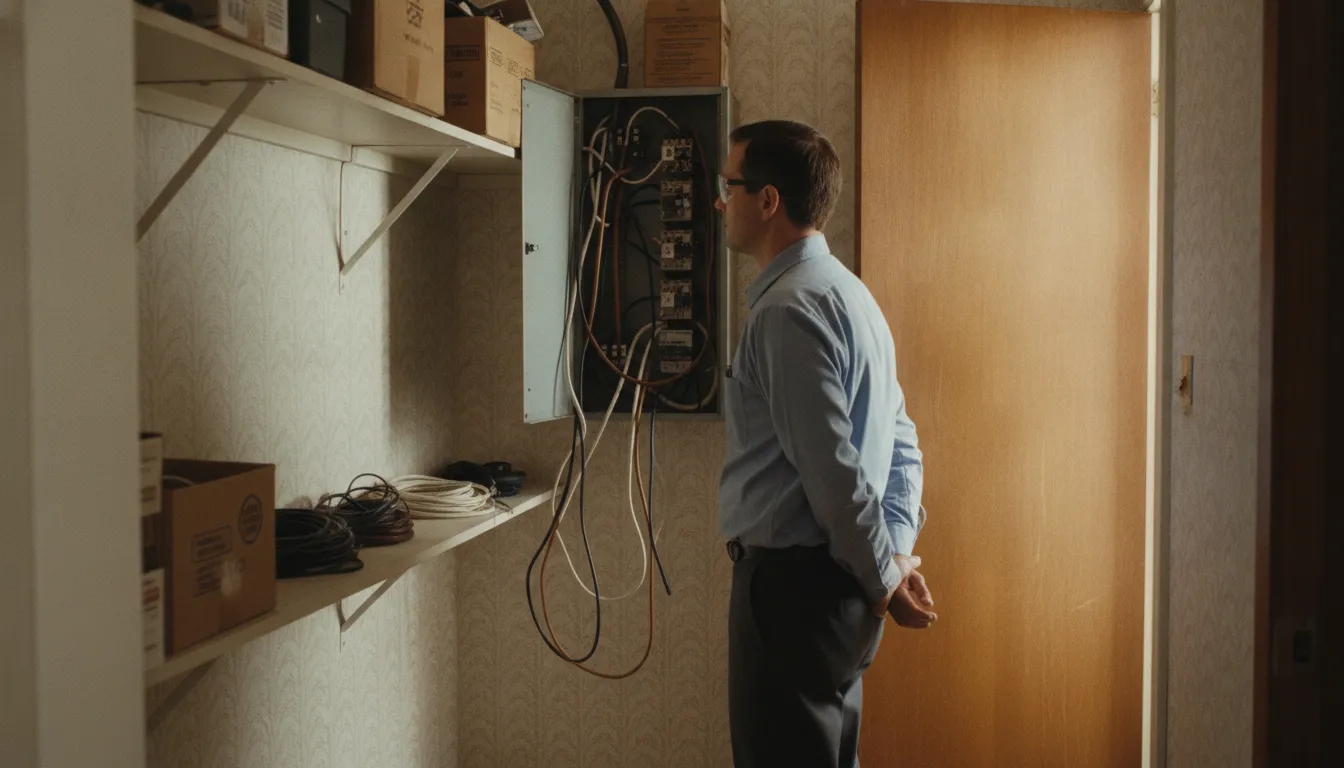
Aluminum wiring repair Barrington IL is a question many owners of mid-century homes ask after a purchase inspection or a warm outlet. A copper shortage in the mid-1960s pushed builders to use aluminum on ordinary 15- and 20-amp branch circuits, not only on large appliance circuits. Homes built before 1965 are unlikely to have that branch wiring. Cable installed from 1965 through the mid-1970s, including later additions, may.
The U.S. Consumer Product Safety Commission studied the fire risk at those connections. Its Publication 516 on repairing aluminum wiring is the guide this article follows. The hazard is at the connection, not in a breaker that simply did its job once. A qualified electrician has to confirm the metal and the repair path. Do not open a panel or retighten device screws yourself.
Brilliant Home Services is a licensed, bonded, and insured electrical contractor based at 200 Applebee St Suite 207, Barrington, IL 60010. The family business has served Chicagoland since 1956, and its electricians are Eaton Certified. They can inspect suspect circuits and explain the permanent options. They do not publish a flat price for this work, because the scope depends on what is in the walls.
What Is Aluminum Wiring Repair in Barrington IL?
Aluminum wiring repair means correcting the places where aluminum branch-circuit wire meets a device, a splice, or an appliance. The CPSC looked at connections at receptacles, switches, junction boxes, and equipment such as dishwashers and furnaces. Those spots can develop higher resistance. Higher resistance makes heat while current flows, and the damage can build over time.
A survey done for the CPSC by Franklin Research Institute found a sharp difference at outlets. Homes built before 1972 and wired with aluminum were 55 times more likely to have one or more outlet connections reach fire-hazard conditions than homes wired with copper. The survey covered outlet connections only. It did not measure other splices, and it did not study aluminum-wired homes built after 1972.
In that survey, fire-hazard conditions meant one of three things. Cover-plate screws reached 149 degrees Celsius, which is 300 degrees Fahrenheit. The receptacle emitted sparks. Or material around the receptacle was charred. On April 28, 1974, two people died in a Hampton Bays, New York, house fire that officials tied to an overheating aluminum wire connection at a wall receptacle.
Barrington and nearby towns have many homes from this era, plus later additions on older houses. Aluminum on a range or dryer circuit is a different conversation from aluminum on general lighting and receptacle circuits. Only a licensed electrician should decide which one you have. Start with the electrical repair and service team if you want that inspection scheduled.
A normal-looking outlet is not proof the connection behind it is sound. The CPSC says failing aluminum connections often overheat without an early warning.
Which Homes in Barrington May Still Have Aluminum Branch Circuits?
Age is a clue, not a verdict. The CPSC says homes built before 1965 are unlikely to have aluminum branch-circuit wiring. Cable added from about 1965 to the mid-1970s may, whether it was new construction, an addition, or a rewired circuit. No CPSC survey data covers aluminum-wired homes built after 1972, so a later house is not automatically in the clear if an addition reused older methods.
You will not settle this from the curb. An electrician looks for markings on the cable jacket where it is visible, often in the panel, an attic, or an unfinished basement. The word aluminum, or the letters AL, on the jacket is the usual flag. Copper cable does not carry that marking. A single marked cable does not map the whole house, and a missing mark in one spot does not clear every circuit.
Purchase paperwork sometimes names the wiring metal. Treat that note as a lead. Wiring can differ between the original house and a later wing. A prior owner may also have repaired only the devices an inspector could see. Ask what was opened, what was left alone, and whether any repair used a listed method.
Barrington homeowners often meet this during a resale, a kitchen update, or a basement finish. Those projects open walls, which is useful, but they do not replace a connection-by-connection review. If you are planning that kind of work, the notes in our kitchen remodel electrician guide and basement finishing electrician guide explain how project wiring is scoped. Aluminum repair is its own scope.
Village rules still apply when the repair needs a permit. The Village of Barrington Development Services department handles building permits and inspections. Its front desk number is (847) 304-3460. Contractors on the permit must be registered with the village before the permit is issued. Confirm the current submittal path on the village site, because the process is online and can change.
What Warning Signs Should You Tell an Electrician About?
The CPSC is direct about warning signs. Failing aluminum-wired connections and splices have been reported to fail and overheat with no earlier hint. If you do notice a sign, have a qualified electrician find the cause. Do not investigate it yourself. You could be electrocuted, or you could make the connection worse.
Signs of electrical trouble include:
- Receptacle or switch faceplates that are hot to the touch.
- Flickering lights that you cannot tie to a bulb.
- Circuits or outlets that stop working.
- The smell of burning plastic or insulation.
Any of those is a reason to leave the circuit alone and call. Warm covers, a burning smell, or lights that flicker without a simple bulb cause deserve a prompt look, not a weekend project. If you see smoke, sparks, or scorch marks, treat that as an emergency and get people clear of the area.
There is a separate guide if the only symptom is a breaker that keeps opening. Read why a circuit breaker keeps tripping for that question. This article does not walk through reset habits, buzzing breakers, or breaker prices. A trip can be unrelated to aluminum, and aluminum can overheat without a tidy trip pattern. Say what you saw, which rooms lost power, and whether anything felt warm.
Flicker and a burning odor also have their own pages when aluminum is not the lead. Use flickering lights in Barrington and sparking outlets for those symptoms. Mention aluminum only if an inspector, a prior report, or a visible cable marking already raised it.
Stop using a outlet or switch that is hot, discolored, or smells like burning, and call a licensed electrician rather than tightening it.
How Should Aluminum Branch Circuits Be Repaired for Good?
Publication 516, current as of its June 2011 edition, names only three permanent repairs that CPSC staff accepted. The repair should cover every aluminum connection or splice you want protected, not a single warm outlet. That includes outlets, switches, dimmers, fixtures, appliances, junction boxes, and panel terminations on the affected circuits.
| Permanent option. | What it does. | What to know. |
|---|---|---|
| Replace the aluminum cable with copper. | Removes the aluminum branch circuit. | Most disruptive, and often the highest cost. |
| COPALUM pigtail. | Crimps a short copper lead to each aluminum end with a special connector and tool. | CPSC calls this a permanent repair that keeps the existing aluminum wire. |
| AlumiConn connector. | A setscrew pigtail used where COPALUM is not available. | CPSC calls it the next-best permanent alternative, not a casual twist-on fix. |
COPALUM is not a hardware-store connector and a pair of pliers. The system uses a metal sleeve installed only with a dedicated power tool and crimping die. CPSC describes the result as a cold weld. The dies compress the connector and wires with upwards of 10,000 pounds of force. The repair has a long field history. It still leaves aluminum cable in the walls, with copper tails at the devices.
CPSC staff recognize that full copper replacement can cost too much for a given house, and that COPALUM is not offered everywhere. If COPALUM is unavailable, they advise that the AlumiConn connector may be the next-best permanent repair. It is still a listed pigtail method for a qualified person, not a homemade splice. Ordinary twist-on connectors that were never proven for this use are not on the CPSC permanent list.
Appliances tied directly to 12 AWG or 10 AWG aluminum branch wire need the same care. The CPSC names dishwashers, cooling equipment, heaters, air conditioners, and light fixtures as examples, along with wall outlets, switches, junction boxes, and panel boxes. Skipping the hard-to-reach splice leaves the failure mode in place.
A full copper replacement is a different project from repairing connections in an occupied house. If the cables themselves are the scope, our whole-home rewiring guide covers when a Barrington rewire is discussed. Panel condition is separate again. A damaged or undersized panel is covered in when to replace an electrical panel. Do not treat a pigtail quote as a panel quote.
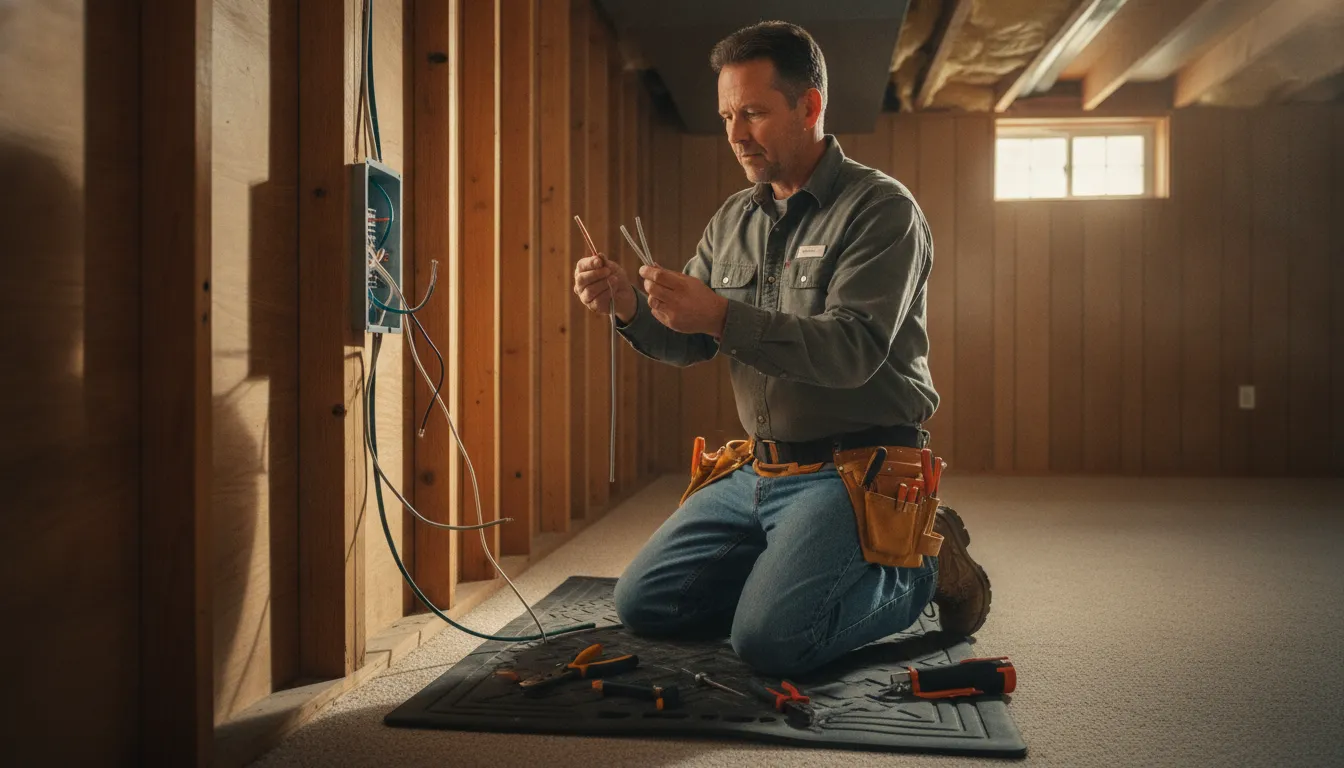
The right method is chosen after the wire metal and the connection type are confirmed. It is not chosen from a photo of a closed outlet.
What Should a Barrington Aluminum Wiring Inspection Include?
A useful visit starts with history and ends with a written scope. Tell the electrician the year the house was built, the year of any addition, and what a prior inspection already opened. Then walk the symptoms: warm plates, dead outlets, flicker, or odor, plus the rooms involved.
On site, a licensed electrician typically:
- Identifies where cable markings are visible and whether they say aluminum.
- Notes which circuits serve lights, receptacles, and fixed appliances.
- Checks device and splice conditions that can be seen without guessing behind closed walls.
- Separates branch-circuit aluminum from larger service or appliance conductors.
- Recommends one permanent path, or a closer inspection where openings are limited.
- Flags permit needs before any repair begins.
You should receive a plain description of what was seen, what was not opened, and which CPSC method is proposed. Ask whether every aluminum termination on the affected circuits is included. A repair that stops at the easiest outlets does not match the CPSC advice to include the connections you intend to make safe.
Barrington permit questions go through Development Services, not through a guess in a blog post. Call (847) 304-3460, have the site address ready, and ask what the current job requires. Inspections are scheduled at least 24 hours ahead. The permit placard and approved plans need to be on site, or the inspection will not proceed.
Brilliant Home Services can pair the electrical finding with the rest of the house when a remodel is already underway. The company also handles HVAC and construction, which matters when a furnace, air conditioner, or addition is part of the same plan. The aluminum connection work itself stays with a licensed electrician.
How Should You Choose a Repair Scope Without a Made-Up Price?
Brilliant Home Services does not publish a flat fee for aluminum wiring repair. National averages from other contractors would not describe your house. What changes the visit is local and specific: how many aluminum terminations exist, whether COPALUM is available. How much finish has to be opened, and whether the village requires a permit and inspection.
Use these comparisons as planning categories, not as a bid:
- Connection repair in place. Copper tails are added at devices and splices, and the aluminum cable stays.
- Partial openings. An addition, kitchen, or basement is already open, so some connections are easier to reach during that project.
- Cable replacement. Selected branch circuits, or more of the home, are rewired in copper. That is the rewire conversation, not a device swap.
Get the scope in writing before work starts. The note should name the method, the circuits included, and what access is assumed. If a wall cannot be opened, the proposal should say the hidden splice was not repaired. That honesty matters more than a low number that leaves connections untouched.
For a broader look at how this contractor handles service calls, permits, and local coverage, see electrical services in Barrington. Buying a home and want the inspection framed before you close? The pre-purchase electrical inspection guide explains what a buyer can reasonably ask to have checked.
Frequently Asked Questions
How can I tell if my Barrington house has aluminum branch wiring?
You usually cannot tell from outlets alone. An electrician looks for aluminum or AL printed on the cable jacket in the panel, attic, or basement. Homes built before 1965 rarely have this branch wiring. Cable from 1965 to the mid-1970s might. A lab test of a closed wall is not a homeowner project.
Is aluminum wiring always a reason to rewire the whole house?
No. The CPSC lists full copper replacement as one permanent option, not the only one. COPALUM pigtails, or AlumiConn connectors when COPALUM is unavailable, are the other permanent repairs it accepts. Which path fits depends on access, condition, and how much of the house is affected.
Can I pigtail aluminum wire with ordinary wire nuts?
Do not. The CPSC tells owners not to repair these connections themselves. Its permanent list is copper replacement, the COPALUM crimp system, and the AlumiConn connector as the alternative when COPALUM cannot be done. A random twist-on connector is not that list.
Does a warm outlet mean the breaker is the problem?
Not by itself. A hot faceplate is one of the trouble signs the CPSC tells you to report. The breaker article on this site covers repeated trips. Aluminum connections can overheat even when the breaker story is unclear. Leave the device alone and have it evaluated.
Who should I call in Barrington to schedule the inspection?
Call Brilliant Home Services at (847) 588-2533 or use the contact page to schedule service. The office is at 200 Applebee St Suite 207, Barrington, IL 60010. For village permit and inspection rules, contact Barrington Development Services at (847) 304-3460.
Schedule Aluminum Wiring Repair in Barrington
If a report, a cable marking, or a hot outlet raised the question, the next step is a licensed inspection, not a do-it-yourself splice. Brilliant Home Services can look for aluminum branch wiring, explain the CPSC repair choices, and schedule the work your house actually needs.
Ready to Get Started?
Contact Brilliant Home Services for professional, reliable service in Chicagoland. We are available 24/7 for emergencies.