Outlet Sparking Electrician Barrington IL: What Should You Do When an Electrical Outlet Sparks?
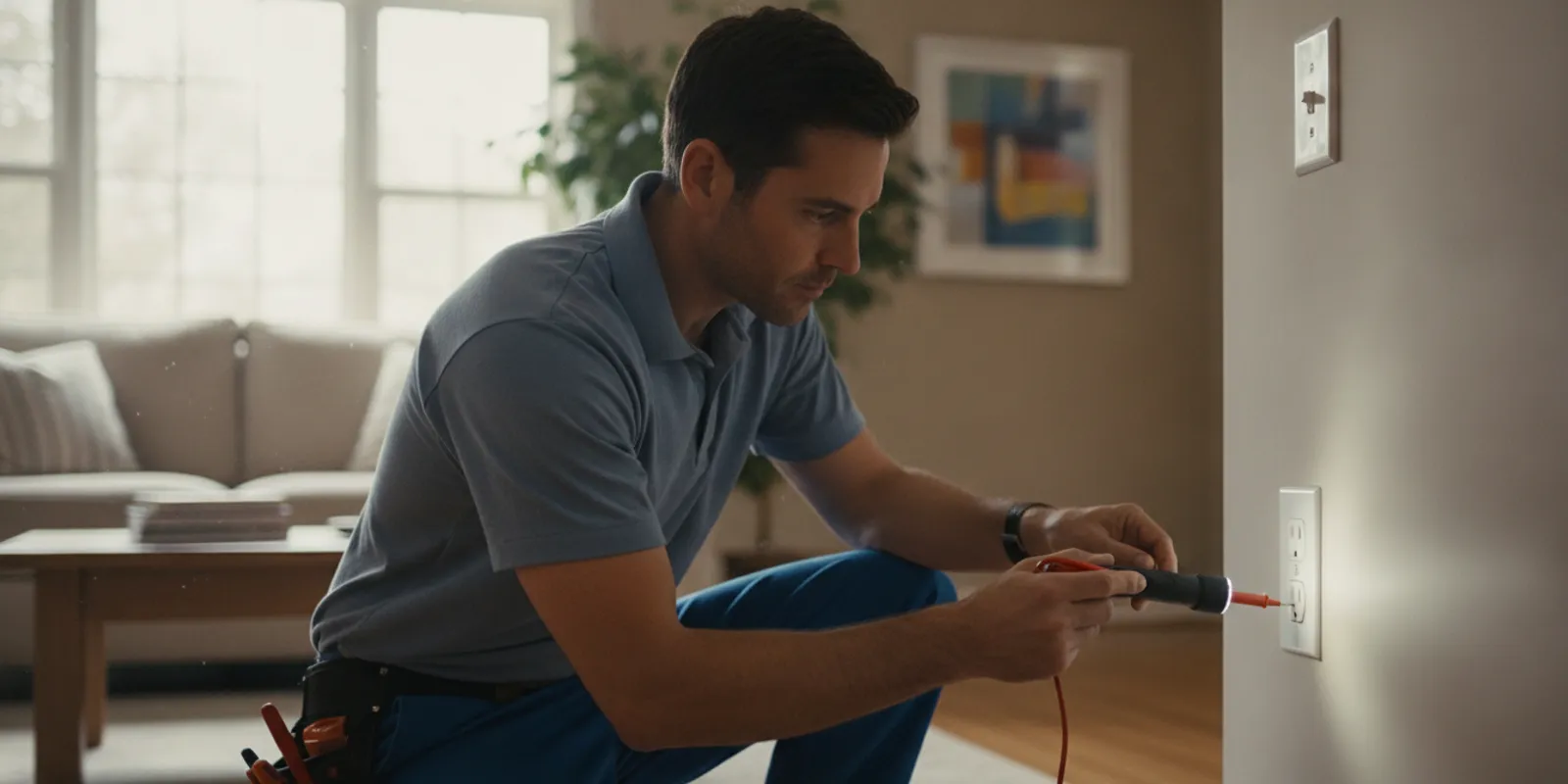
A spark at an outlet can be startling. A tiny, brief flash when plugging in some appliances may happen as electrical contact is made, but repeated, large, noisy, hot, or smoky sparking should not be ignored. If you are searching for an outlet sparking electrician Barrington IL, start by keeping people away from the outlet and stopping its use. The right next step depends on what you see and whether there is heat, smoke, a burning odor, or a tripped breaker.
What should you do first when an outlet sparks?
Take the warning seriously, but do not touch the outlet or try to test it. A spark can come from a momentary electrical arc, a loose connection, damaged equipment, or another fault. You cannot reliably identify the cause by looking at the face of the receptacle, and opening it or inserting tools can expose you to shock or burns.
Use this order of priorities:
- Move people and pets away. Keep the immediate area clear, especially if the outlet is hot, discolored, making noise, or giving off an odor.
- Stop using the outlet. Do not plug in another device to see whether the problem repeats. If a plug is already connected and there is no sign of heat, smoke, or active sparking, leave it in place until it is safe to disconnect. Do not handle a plug or cord that is hot, damaged, or smoking.
- Look for urgent danger from a safe distance. Smoke, flames, a strong burning smell, crackling, visible melting, or a hot wall are reasons to leave the area and call emergency services. Do not try to put out an electrical fire with water.
- Consider the circuit breaker only if it is safe to reach. If you can identify the correct breaker and reach the electrical panel without approaching smoke, fire, water, or another hazard, switching that circuit off can reduce the immediate risk. Do not remove the panel cover or touch exposed wiring. If you are unsure, leave it alone and get help.
- Arrange a professional assessment. Keep the outlet out of service until the cause has been checked and any needed repair is complete.
If there is active fire or smoke, leave the building and call your local emergency number. Do not delay evacuation to find a breaker. For a non-emergency concern, contact a qualified electrician and describe exactly what happened.
Outlet sparking electrician Barrington IL: when should you call?
Call an electrician promptly if an outlet sparks more than once, sparks when nothing is being plugged in, or shows any sign of heat or damage. A spark that happens repeatedly when you insert or remove a plug is different from a single, tiny flash at the moment of connection. Repeated arcing can damage the receptacle and may create a fire or shock hazard.
Arrange professional help if you notice any of these signs:
- A sharp, burning, fishy, or plastic-like odor near the outlet.
- Scorching, brown or black marks, cracking, melting, or discoloration on the outlet or wall plate.
- A receptacle or plug that feels unusually warm or hot.
- Buzzing, sizzling, crackling, or popping sounds.
- A plug that feels loose, slips out easily, or does not stay seated.
- A breaker that trips when the outlet or connected device is used.
- Lights that dim or flicker when a device is connected to that circuit.
- A shock or tingling sensation when touching the plug, appliance, or nearby metal.
Do not wait for several warning signs to appear. One clear sign of heat, damage, odor, or repeated sparking is enough to stop using the receptacle and ask for an evaluation. Brilliant Home Services provides electrical service and repair; the contact page is the route to schedule a service conversation.
Can a small spark ever be normal?
A small, brief flash can sometimes occur as a plug makes or breaks contact, particularly when an appliance is switched on or draws power immediately. That observation alone does not prove an outlet is safe. A flash that is bright, sustained, accompanied by sound or odor, or repeated on later uses deserves attention.
What matters is the pattern and the surrounding conditions. A one-time, barely visible flash when a device is plugged in is not the same as a burst of sparks every time a plug moves. Do not deliberately repeat the action to compare. If you are uncertain whether what you saw was a normal momentary flash or a warning, stop using the outlet and ask an electrician.
The University of California, Santa Cruz's electrical safety guidance identifies discolored or warm wall outlets and sparks as warning signs to report. The practical takeaway is simple: a warm, discolored, or persistently sparking receptacle is not a place to keep plugging in equipment.
What can cause an electrical outlet to spark?
Several different faults can produce a spark. Determining which one is present requires a safe inspection. The list below explains possibilities, not a do-it-yourself diagnosis.
A loose or worn connection
Connections inside a receptacle can become loose or worn over time. A weak connection may cause intermittent contact, heat, noise, or arcing. An outlet that no longer holds a plug securely should not be treated as a minor inconvenience; avoid using it and have it checked.
A damaged receptacle, plug, or cord
Cracks, bent prongs, frayed insulation, scorch marks, or a deformed plug can interfere with safe contact. Stop using visibly damaged equipment. Do not force a plug into an outlet, bend its prongs back, or use an adapter to make a damaged connection fit.
Moisture or contamination
Water, dampness, dust, or other material inside or around an outlet can contribute to unsafe electrical behavior. If an outlet or appliance has been exposed to a leak or flooding, do not touch it or attempt to dry it while power may be present. Keep away and seek qualified help. If water is near the electrical panel, do not approach the panel.
An overloaded circuit or a problem elsewhere
Multiple high-demand devices on one circuit can contribute to breaker trips or other electrical symptoms. However, repeated tripping can also have other causes, so simply moving devices around is not a repair. Do not replace a breaker with a higher-rated one or repeatedly reset a breaker that trips. A professional can assess the circuit, connected loads, receptacle, and related wiring.
A switching or appliance-related flash
Some devices draw power as they start, and a brief flash may occur as a plug connects. That does not explain away a hot, noisy, damaged, discolored, or repeatedly sparking outlet. If the spark appears associated with one appliance, stop using that appliance and outlet until both can be assessed safely.
What should you avoid doing?
When electricity is involved, a quick experiment can make a dangerous condition worse. Avoid these responses:
- Do not keep plugging devices in to reproduce the spark. Repeated contact may worsen damage and exposes you to risk.
- Do not remove the cover or outlet. Even after a breaker is switched off, a homeowner may not have confirmed that the correct circuit is de-energized, and wiring can remain hazardous.
- Do not use a screwdriver, tester, or other tool inside the receptacle. Leave electrical testing and repair to a qualified professional.
- Do not cover an outlet that is hot or smoking. Keep the area clear and follow emergency guidance if there is smoke or fire.
- Do not pour water on an electrical fire or wet outlet. Leave and call emergency services if fire is present.
- Do not keep resetting a breaker that trips. A trip is a warning that the circuit needs attention, not an invitation to force it back on repeatedly.
- Do not assume a plug-in device can rule out a wiring problem. A simple outlet checker cannot replace a professional evaluation of a damaged or sparking receptacle.
Basic caution is not a substitute for a repair. If there is uncertainty, keep the outlet unused and explain the symptoms to an electrician.
How quickly should you respond to a sparking outlet?
Use the conditions around the spark to decide what kind of response is needed. If you see flame or smoke, smell a strong burning odor, hear ongoing crackling, or see a melted outlet or hot wall, treat it as an emergency: leave the area and call emergency services. Do not spend time taking photos, searching for a breaker, or gathering belongings if doing so would bring you close to the hazard.
If there is no active fire or smoke but the receptacle is warm, discolored, buzzing, loose, or has sparked repeatedly, stop using it and arrange a prompt electrical assessment. Keep children, visitors, and pets away. If the outlet is in a room that people use frequently, make sure everyone in the household knows it is not available until checked. A note or temporary reminder placed nearby can prevent someone from plugging in a device by habit, but do not cover the outlet or attach anything to a hot or damaged surface.
If there was only a small, momentary flash at the instant a plug connected and there are no other signs, do not provoke another spark just to decide whether it was harmless. Take note of what happened, and contact an electrician if you have doubts or if it happens again. New odor, heat, discoloration, sound, or a tripped breaker changes the situation: stop using the outlet and seek professional advice rather than watching to see whether the symptom gets worse.
What if more than one outlet or light is affected?
Symptoms at several points in a room or home can indicate that the problem is not limited to the visible receptacle. For example, several outlets may stop working after a breaker trips, or lights may change when an appliance is connected. These clues can help an electrician understand what to investigate, but they do not identify the fault on their own.
Do not move an appliance from one outlet to another to test it, especially if the plug, cord, or appliance may be damaged. Do not use extension cords to route power around a receptacle that sparked. If several outlets are affected, note which locations changed and whether the issue began at the same time. If a breaker has tripped, do not keep resetting it. If there is smoke, heat, odor, or unusual sound anywhere on the circuit, keep away and treat it as urgent.
When the issue appears limited to one outlet, that still does not guarantee that the cause is isolated there. The electrical system includes connected wiring and protective devices that may need to be considered as part of the assessment. Sharing the locations and sequence of symptoms can help the electrician decide what to inspect without requiring you to investigate the wiring yourself.
How can you describe the problem when you call?
Clear details help a service professional understand what happened and determine what to assess. You do not need to diagnose the outlet yourself. From a safe distance, note:
- When the spark occurred: while inserting a plug, removing it, or with nothing being touched.
- Whether it was a single flash or repeated, and whether you heard a pop, buzz, or crackle.
- Whether you noticed heat, odor, smoke, visible discoloration, or damage.
- What appliance or device was connected, if any, and whether it appeared damaged.
- Whether the breaker tripped or other outlets or lights on the circuit changed.
- Whether the area has been exposed to moisture, recent work, or impact.
Do not move a damaged plug or appliance just to gather details. A photo may be useful only if it can be taken from a safe distance without touching anything or delaying emergency action. Tell the electrician if there is active smoke, heat, or a burning smell so the urgency is clear.
What happens during an electrician's outlet assessment?
The exact work depends on what the electrician finds and the condition of the installation. A qualified professional can inspect the receptacle and relevant circuit, look for visible damage or signs of heat, and determine whether repair or replacement is appropriate. They may also need to consider the connected device, breaker behavior, or other parts of the electrical system.
Before work begins, explain the symptoms and ask what the assessment includes. Useful questions include:
- What could explain the sparking based on the symptoms?
- Does the outlet need to remain out of use while it is assessed?
- Will the circuit or related connections also be checked?
- What repair is recommended, and why?
- Are there any related concerns that need separate follow-up?
A repair should address the underlying cause rather than only the visible mark or loose fit. If the electrician finds a broader issue, ask them to explain the finding in plain language and discuss the proposed next step before work proceeds.
If you need an electrician for a sparking or damaged receptacle, review Brilliant Home Services' service information and contact the team to discuss the symptoms. For customers in the area, the Barrington electrician page provides local service information.
What should you ask before electrical work begins?
Before authorizing a repair, make sure you understand what the electrician has observed and what work is being proposed. A short conversation can clarify whether the visible receptacle is the only concern or whether the electrician recommends checking additional parts of the circuit. Ask for an explanation that connects the recommendation to the symptoms you reported.
It can also help to confirm practical details before the visit or before work starts:
- Which outlet or circuit will be assessed, and should it remain unused in the meantime?
- What signs led to the recommended repair or replacement?
- Does the proposed work address the suspected cause, not only the damaged face or loose plug fit?
- Will the electrician let you know if they find a separate concern that changes the scope?
- What should you do if the outlet becomes hot, smokes, or sparks again before the visit?
Do not feel that you need to request a particular repair based on an online description. Similar symptoms can have different causes, and a professional needs to assess the actual installation. If the explanation is unclear, ask for it to be restated in everyday terms before deciding how to proceed.
How can you reduce outlet risks after the repair?
Once a professional has addressed the problem and confirmed the outlet is ready for use, a few habits can help reduce everyday wear and reveal issues sooner:
- Plug devices in and remove them by holding the plug, not pulling on the cord.
- Avoid using cords, plugs, or receptacles that are cracked, frayed, bent, loose, or discolored.
- Do not force oversized plugs or adapters into a receptacle.
- Keep liquids away from electrical connections and address leaks promptly, without touching wet electrical equipment.
- Pay attention to new warmth, unusual sound, odor, discoloration, or recurring breaker trips.
- Use an electrician for repairs, replacement, or questions about an outlet that does not hold a plug securely.
These steps do not make an outlet immune to faults, and they are not a replacement for repair when warning signs appear. If the same problem returns after service, stop using the outlet and report the new symptoms.
Brilliant Home Services serves homeowners and businesses in the Chicagoland area and has provided home services since 1956. To learn more about the company, visit the About page. If you are comparing electrical needs with other home projects, its lighting installation information covers another common reason to consult an electrician.
For a non-emergency outlet concern, contact Brilliant Home Services with a clear description of the spark, any signs of heat or damage, and whether the breaker tripped.
Frequently asked questions
Should I unplug a device from a sparking outlet?
Do not handle a plug or cord that is hot, smoking, damaged, or actively sparking. If there is fire, smoke, or a strong burning odor, leave the area and call emergency services. If there is no immediate hazard but you are unsure whether it is safe to unplug the device, leave it alone, keep people away, and get professional guidance.
Should I turn off the breaker?
Only consider switching off the circuit if you can identify the correct breaker and reach the panel safely, without approaching smoke, fire, water, or exposed wiring. Do not remove the panel cover or repeatedly reset a breaker that trips. If you are unsure or the panel area is unsafe, stay away and seek help.
Can I keep using an outlet if it sparked only once?
A tiny flash at the instant a plug connects can occur, but a single event cannot confirm the outlet is safe. If the flash was large, noisy, repeated, or accompanied by heat, odor, discoloration, damage, or a tripped breaker, stop using it and contact an electrician. If you are unsure what you saw, avoid testing it again.
Is a warm outlet dangerous?
An outlet that feels unusually warm or hot can be a warning sign. Stop using it and arrange a professional assessment. If warmth comes with smoke, a burning odor, crackling, or visible melting, leave the area and call emergency services.
Can I replace a sparking outlet myself?
Replacing the receptacle without identifying why it sparked may leave the underlying problem unresolved, and electrical work can expose you to shock or fire hazards. Do not open or repair a sparking outlet yourself. Have a qualified electrician assess the receptacle and related circuit.
A sparking outlet is a reason to pause, protect people nearby, and avoid further use until you understand what happened. If warning signs persist or you are uncertain, have an electrician assess it rather than testing it yourself.
Ready to Get Started?
Contact Brilliant Home Services for professional, reliable service in Chicagoland. We are available 24/7 for emergencies.