Electrical Inspection Before Buying a Barrington Home: What to Check
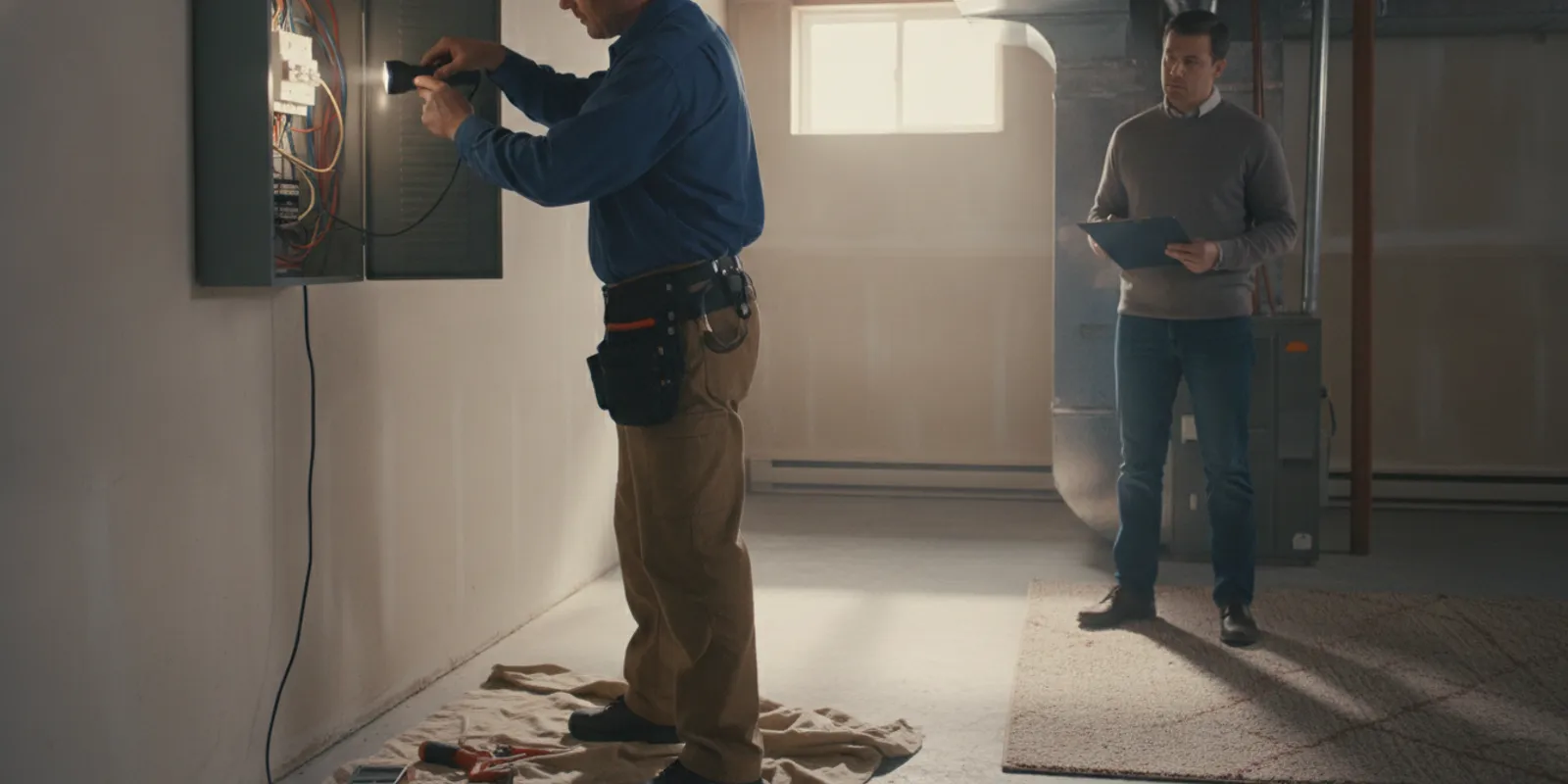
An electrical inspection before buying a home Barrington IL buyers can arrange may answer questions a general home inspection leaves open. It can help you understand the visible condition of electrical equipment, identify concerns that may need further evaluation, and decide what to ask before closing. The right scope depends on the property, the home inspection findings, and your concerns.
What is an electrical inspection before buying a Barrington home?
A pre-purchase electrical assessment is a focused review of accessible electrical components and specific concerns at a home. It may be arranged as a separate service or in response to something noted during a broader home inspection. Before booking, clarify what the electrician will examine, what access is needed, and what written findings you will receive.
It is not automatically the same as a general home inspection, a municipal inspection, or a guarantee that every hidden wire and connection has been checked. The exact scope varies. Ask the person performing the assessment to explain its limits and tell you whether further evaluation is recommended.
For a buyer, the goal is useful information for decision-making. That may mean confirming what an inspector observed, understanding whether a concern appears urgent, and identifying possible next steps. An assessment can inform a conversation with your real estate professional, attorney, or seller, but it does not replace their advice or determine the terms of a sale.
Why consider an electrical inspection before buying a home Barrington IL?
A home can look well maintained while its electrical system has components or changes that merit closer attention. A general home inspection may identify visible concerns, but it may not answer every electrical question in detail. A focused review can be useful when the report calls out a panel, wiring, outlets, lighting, or another item—or when you want an electrician to evaluate a concern before you commit.
Age alone does not prove that a system is unsafe or defective. Nor does a new-looking panel prove that every circuit, connection, or past alteration is appropriate. What matters is the equipment and installation present, its condition, the home's needs, and the specific questions raised by the inspection.
Buyers may find a focused assessment useful when:
- The home inspection report recommends evaluation by a qualified electrical professional.
- The panel, service equipment, outlets, switches, or visible wiring show damage, unusual conditions, or unclear labeling.
- You are unsure whether visible electrical work was completed or documented appropriately.
- You plan to add appliances, remodel, finish a basement, or make other changes after moving in.
- You want to understand the practical implications of a specific observation before closing.
Each situation calls for a different conversation. A buyer planning no immediate work may simply need clarification about a reported condition. Someone planning a remodel may also want to ask whether the existing electrical setup appears to align with the anticipated project. A discussion does not replace a design, permit review, or job-specific estimate.
What should an electrician review?
Ask for a clear scope before the visit. Depending on the request and what is accessible, an electrician may review items such as the electrical panel and service equipment, visible wiring, accessible outlets and switches, grounding and bonding components, and fixtures or circuits connected to a reported concern. The professional should explain what was checked and what could not be inspected.
Do not assume that every assessment includes the same tests or reaches behind walls. Concealed wiring, inaccessible junctions, and conditions that require opening finished surfaces may be outside an initial visual review. If the buyer or general inspector has identified a particular concern, share the exact observation and ask whether the proposed scope can address it.
A focused appointment might address one item, such as a damaged outlet, or a broader set of questions about accessible electrical components. Describe the house and the request accurately when scheduling. That helps the service provider determine whether the requested work fits the appointment and whether more time, access, or documentation may be needed.
Brilliant Home Services provides electrical services and serves Barrington homeowners. Ask directly about the assessment you need, its scope, and the findings you can expect; do not assume that a particular pre-purchase package or report format is included.
How do you prepare for the electrician's visit?
Preparation can make the appointment more productive. Coordinate access with the seller or listing representative, especially if the panel or areas of concern are in a locked, occupied, or storage-filled space. Do not move items near electrical equipment or remove panel covers yourself. The electrician can identify what access is safe and appropriate.
- Share the inspection report. Send the relevant pages or clearly quote the observations that prompted the visit. Include photographs from the report when available.
- Write down your questions. Note what you need to understand: the condition, possible consequences, whether more evaluation is appropriate, or what might be involved in correcting a concern.
- Describe planned changes. Mention intended renovations or new equipment. These plans may affect which questions are useful, but they do not establish that an upgrade is necessary.
- Confirm access and timing. Ask who must be present, whether the seller must approve access, and whether any areas need to be cleared by someone responsible for the property.
- Ask about the deliverable. Confirm whether the visit includes verbal feedback, written observations, photographs, or a proposed estimate. Ask how any limits will be recorded.
When contacting a contractor, give the home's location, the transaction timing, the key report finding, and any known access restrictions. For more on the company's local electrical work, see its Barrington electrician service information. To discuss an appointment or clarify what service is appropriate, use the contact page.
What findings deserve a follow-up conversation?
The report should describe what was observed and what the electrician could verify. A finding may call for correction, further investigation, monitoring, or no immediate work; the appropriate response depends on the specific condition. Ask the electrician to explain the reasoning in plain language rather than treating every note as an emergency or dismissing it without review.
Give special attention to observations involving damage, exposed conductors, signs of overheating, repeated interruptions, or equipment that cannot be identified or evaluated. If you notice active sparking, smoke, a burning odor, or another immediate hazard, keep people away and contact emergency services or a qualified professional as appropriate. Do not touch electrical equipment or attempt a repair.
Other findings may be less urgent but still relevant to a purchase decision. A panel that appears crowded, unclear circuit labels, an outlet that does not operate, or visible alterations may prompt questions about what is present and whether additional evaluation is needed. The observation alone does not establish the cause, the repair required, or the cost.
If the electrician recommends follow-up, ask:
- What did you observe, and what could you confirm during this visit?
- What could not be inspected without additional access or work?
- Is the issue time-sensitive, or can it be evaluated later?
- What additional assessment or repair, if any, would you recommend?
- Can you provide the findings and any proposed work in writing?
Do not treat a possible correction as a settled repair plan until the work, scope, and access have been discussed. If an upgrade is raised, learn what specific condition or planned use supports it. For background on one common buyer question, read what to consider when determining electrical panel size in Illinois; the right panel capacity depends on the actual home and its electrical needs.
How does an electrical assessment fit into the buying process?
Timing matters because a property transaction has deadlines and access often depends on the seller. Contact your real estate professional as soon as a report raises an electrical question. Ask what inspection period applies and coordinate any additional visit within that window. The schedule and access arrangements are transaction-specific, so confirm them with the people managing the purchase.
Before the appointment, send the relevant report pages and clarify what you want evaluated. Afterward, review the findings promptly. If the electrician recommends more investigation or repair, ask for the reasons and proposed scope. Share the documentation with your real estate professional or other adviser so you can decide how to proceed under the terms of your purchase.
An electrician can describe observed conditions and possible electrical work. They do not decide whether you should buy the home, whether the seller must make repairs, or how a contractual issue should be handled. Those questions belong with the appropriate real estate and legal professionals.
Permit requirements depend on the work and the applicable local rules. The Village of Barrington provides a permits and inspections resource; confirm directly with the relevant local authority whether a particular project needs a permit or inspection. A pre-purchase assessment should not be confused with a permit inspection or approval.
What questions should you ask before scheduling?
A few direct questions help set expectations and avoid misunderstandings:
- What exactly is included? Ask which accessible components and concerns the appointment covers.
- Can you address the report's specific observations? Provide the report before booking and confirm that the requested evaluation is within scope.
- What will the inspection not include? Ask about concealed wiring, inaccessible areas, testing limits, and any work that would require separate authorization.
- What documentation will I receive? Confirm whether findings are verbal, written, or accompanied by a separate estimate.
- What should be available at the property? Clarify access, seller coordination, and whether someone needs to unlock rooms or equipment areas.
- What happens if you find a concern? Ask how additional evaluation or repairs are discussed and approved.
These questions are useful whether you are buying a newer home or an older property. The inspection's purpose is not to produce a generic label for the house. It is to help you understand specific observations and the next steps, if any, that follow from them.
How should you interpret the report?
Read the report as a record of observations and recommendations, not as a promise that every part of the electrical system has been examined. Look for the location, condition observed, scope limitation, and recommended next step. If wording is unclear, ask the professional who wrote it to explain what they saw and what the recommendation means.
Keep facts separate from assumptions. For example, a note that an item was inaccessible does not prove that it is defective; it means the inspector could not evaluate it. A recommendation for a qualified electrician's review does not, by itself, say that a major replacement is required. Conversely, the absence of a comment does not prove that hidden parts were examined.
If a repair is proposed, ask for the specific work and its basis in writing. When comparing proposals, check that they address the same reported concern and clarify what is included. A low or high estimate without a comparable scope may not tell you which proposal fits the issue. The services overview can help you locate the relevant service area, and the company information page provides additional background on Brilliant Home Services.
What should buyers avoid doing themselves?
Do not remove panel covers, probe outlets, handle exposed wiring, or try to reproduce a reported fault. Electrical equipment can remain hazardous even when a switch is off. Leave testing and repairs to qualified professionals, and follow the seller's access rules. If you have questions about the difference between electrical work and general repair, this guide to licensed electricians and handymen in Illinois offers additional context.
Also avoid relying on online photos to diagnose a particular home. Similar-looking equipment can have different conditions, and the visible appearance does not reveal every connection or circuit. Share the actual inspection notes and let the professional explain what can be concluded from an in-person review.
How is a focused electrical review different from other inspections?
Different inspections serve different purposes. A general home inspection gives the buyer a broad view of the property's visible condition. A focused electrical visit concentrates on electrical questions within the agreed scope. A municipal or permit inspection, where applicable, checks work under local requirements. These are not interchangeable, and one does not automatically certify the entire home or replace the others.
When deciding which follow-up makes sense, start with the wording of the original report. If it points to one specific item, ask whether a focused evaluation of that item is enough to answer your question. If the report notes several concerns or the electrical system is part of a larger renovation plan, explain that context when you call and ask what scope would be appropriate. The contractor should tell you if the question needs a different type of review.
It can help to distinguish three kinds of requests:
- Clarification: You want an electrician to explain or evaluate a particular observation in the report.
- Condition assessment: You want a broader review of accessible electrical components, with clear limits stated in advance.
- Project planning: You are considering future work and want to know what information or assessment is needed before planning it.
Be specific about which of these best describes your need. It helps avoid the assumption that a short visit will answer every question about an entire electrical system or provide a design for future work. If the request changes after the electrician arrives, ask whether the expanded scope can be handled during that visit or needs a separate appointment.
How can you use the findings in a purchase decision?
A useful report turns a concern into clearer information. It should help you understand what was observed, how much of the system was accessible, and whether a next step was recommended. It does not tell you whether the property is a good purchase overall. Buyers can use the findings to ask informed questions, discuss options with their advisers, and decide whether they need more time or documentation.
Keep a simple record as you go:
- Save the original observation. Preserve the general inspector's wording and photographs so you can compare them with the electrician's findings.
- Record the explanation. Note what the electrician could confirm, what remains uncertain, and why any additional evaluation was suggested.
- Separate findings from proposed work. A condition report and a repair estimate answer related but different questions. Keep each document and clarify the scope of any proposal.
- Share information with the right adviser. Provide the documents to your real estate professional or attorney if you need guidance about the contract, deadlines, or negotiations.
Do not rely on an informal verbal summary if you need specific documentation for a transaction. Ask before the appointment what will be recorded and whether a written report is available. If written findings are not part of the service, ask what other documentation the provider can offer. The format is a practical detail worth settling before the visit, not after a deadline has passed.
Likewise, avoid assuming that an estimate is a fixed price for every possible condition. Proposed work depends on what is found and the agreed scope. Ask what the estimate includes, whether it addresses the reported issue, and what additional conditions could change the work. For any project requiring local approvals, verify requirements with the appropriate authority rather than treating an estimate or pre-purchase assessment as approval.
What if the home has an older electrical system?
An older home may have a mix of original and later electrical work. That fact alone does not establish that the system is defective, unsafe, or due for replacement. The useful questions are concrete: what equipment is present, what condition is visible, are there specific defects or limitations, and does the system suit the home's current use and your planned changes?
Tell the electrician if the home has undergone additions or renovations, if you have records of prior electrical work, or if the general inspection found inconsistent information. Do not assume that a renovated room means all wiring elsewhere was updated. Equally, do not infer that no work has been done simply because documentation is unavailable. Ask what can be confirmed from the inspection and what remains unknown.
If the findings point to a larger project, consider getting the scope clearly described before comparing proposals. Clarify which concerns are being addressed, what access or finish work is included or excluded, and whether additional evaluation is needed. A buyer may choose to address an item before closing, after taking ownership, or as part of later improvements, subject to the transaction, safety considerations, and applicable requirements. Coordinate that decision with the professionals advising you on the purchase.
Frequently Asked Questions
Is an electrical inspection part of a standard home inspection?
Home inspection scopes vary. A general inspector may report visible electrical observations and recommend a qualified electrician for further evaluation, but that does not necessarily provide the focused review or answers you need. Check the inspection agreement and ask what was and was not examined.
Can an electrical inspection find every problem in a home?
No assessment should be assumed to reveal every hidden or inaccessible condition. Ask the electrician to explain the scope, limitations, and any areas that could not be checked. Further investigation may be needed if the visit uncovers a specific concern.
Does a homebuyer need a new panel if the existing panel looks old?
Appearance or age alone does not establish that replacement is needed. Ask an electrician to assess the actual equipment, condition, and the home's requirements. Any recommendation should be tied to a specific finding or planned electrical use.
Will the electrical inspection determine whether the seller must make repairs?
No. An electrician can document findings and discuss possible work, but repair negotiations and obligations depend on the purchase agreement and related advice. Discuss those questions with your real estate professional or attorney.
Is a pre-purchase electrical assessment the same as a permit inspection?
No. A buyer's assessment helps evaluate electrical concerns at a property. Permit and municipal inspections relate to local requirements for particular work. Confirm project-specific requirements with the appropriate local authority.
Plan your next step before closing
If an inspection report raises an electrical question, share the relevant details, confirm the scope of any follow-up, and leave time to review the findings during your transaction. Brilliant Home Services can discuss electrical service needs for Barrington-area homeowners; contact the team to ask whether the requested assessment fits your situation.
Ready to Get Started?
Contact Brilliant Home Services for professional, reliable service in Chicagoland. We are available 24/7 for emergencies.