Whole Home Electrical Rewiring in Barrington, IL: When and What It Costs
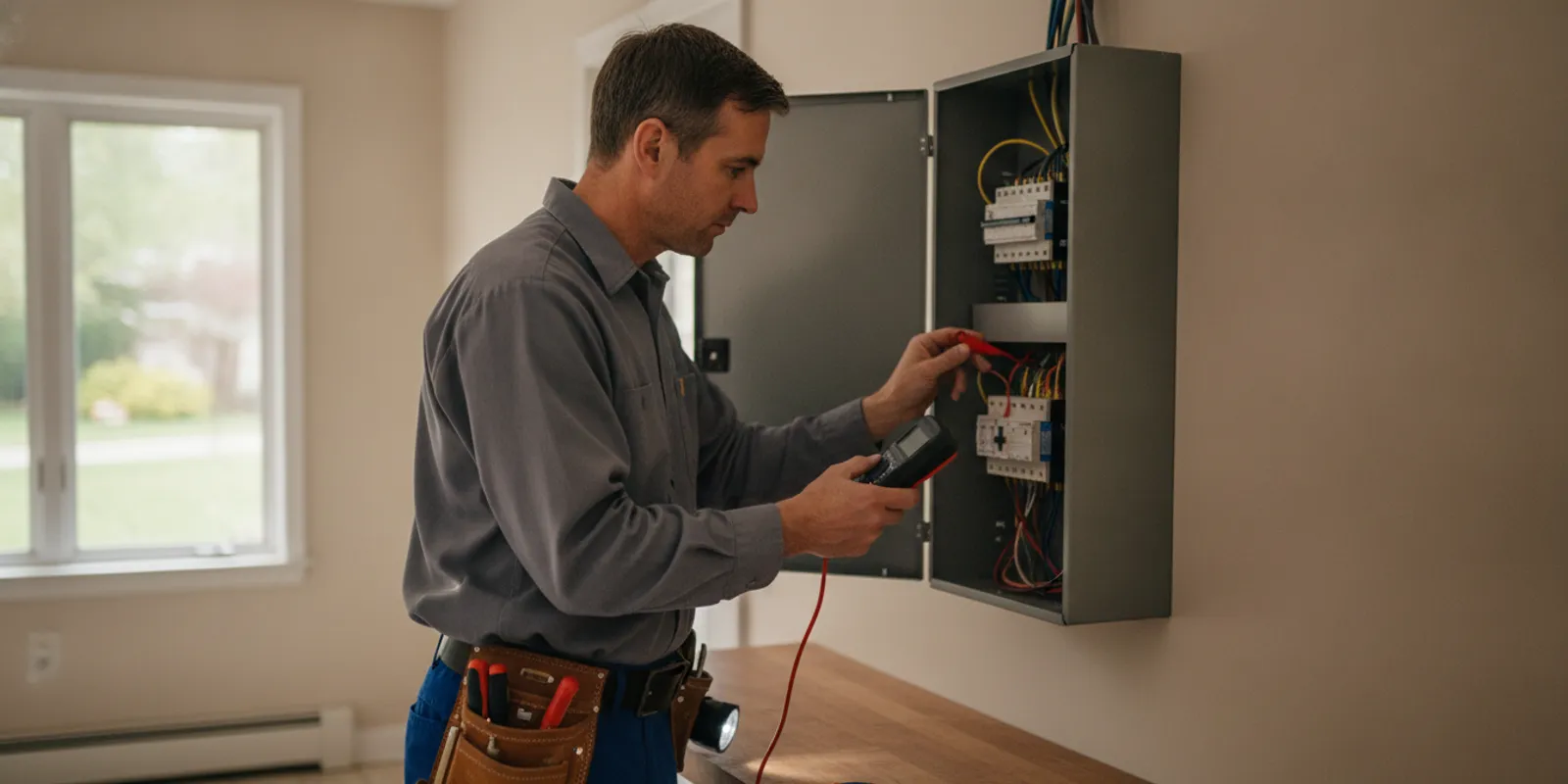
Whole house rewiring in Barrington IL can be a major project, but it is not automatically necessary just because a home is old. The right first step is to understand the warning signs, have the wiring and electrical system assessed, and clarify whether the work needed is a targeted repair, a partial rewire, or a full replacement. This guide explains what homeowners can expect, including the factors that shape cost and timing, without treating any one symptom as a diagnosis.
What does whole-house rewiring mean?
Whole-house rewiring is the replacement or substantial renewal of electrical conductors serving a home. The scope may include wiring concealed in walls, cables in accessible attic or basement areas, device boxes, receptacles, switches, and connections to the electrical panel. A project may also include repairs to grounding and bonding, replacing damaged components, or correcting unsafe connections. The exact work depends on the existing installation and the reason for doing it.
The phrase does not always mean that every wire in every part of a building is removed. Some existing wiring may be in good condition and suitable to remain; other parts may be inaccessible, altered, or damaged. An electrician should identify the work area and explain what will be replaced, what will stay, and why. A clear scope matters because “rewire the house” can describe very different projects from one estimate to another.
It is also useful to distinguish a rewire from a panel upgrade. The panel distributes power and provides overcurrent protection, while branch-circuit wiring carries power from the panel to outlets, lights, and equipment. A home can have a panel that needs attention while much of its branch wiring remains serviceable, or old or damaged wiring even when a panel appears relatively modern. A professional assessment considers the system as a whole rather than assuming one project automatically solves the other.
Three possible scopes: repair, partial rewire, or full rewire
Before considering cost or schedule, clarify which category of work the electrician is recommending. These terms are useful starting points, not a substitute for the written scope. Contractors may use them differently, so ask for the specific rooms, circuits, and components involved.
- Targeted repair: The issue is limited to a particular device, connection, or circuit, and the repair addresses the diagnosed cause. For example, a failed receptacle in one room may be unrelated to otherwise serviceable wiring elsewhere. The electrician should explain what testing or observations support treating it as a localized issue.
- Partial rewire: Replacement covers defined areas or circuits, such as wiring affected by a renovation or a section found to have deterioration. Ask whether adjoining or connected parts of the circuit are included and how the boundary was chosen.
- Whole-house rewire: A wider replacement is proposed across most or all of the home's wiring. The proposal should describe what “whole-house” means for that particular property, including whether fixtures, devices, panel work, grounding, and finish restoration are part of the job or separate.
A simple example shows why the distinction matters. If a single light flickers only when its switch is used, the issue could be local to that fixture or connection. If several lights on different circuits flicker, the pattern calls for a broader evaluation, but it still does not prove that all wiring needs replacement. The useful question is not “Is the house old enough to rewire?” but “What condition has been found, where is it, and what work corrects it?”
When should you consider whole house rewiring Barrington IL?
Consider an electrical evaluation if you notice repeated problems across different rooms, visible deterioration, or wiring that is known to be outdated or has been altered several times. These observations can help you decide when to seek advice. They do not prove that a full rewire is necessary. Some issues have localized causes and may be resolved without replacing wiring throughout the home.
Recurring electrical problems across multiple areas
Frequent breaker trips, outlets that stop working, lights that dim or flicker, or devices that behave inconsistently deserve attention, especially when the problems occur in more than one area. A single failed switch or loose connection may be a limited repair. A pattern involving several circuits may call for a broader investigation. Note where and when the symptoms occur and what equipment was running. That record can help an electrician narrow down the issue.
Do not keep resetting a breaker that trips repeatedly, and do not treat an extension cord as a permanent fix for an outlet that does not work. A breaker that trips is signaling that something needs investigation. If there is a burning smell, smoke, a hot or discolored outlet, crackling, or visible arcing, stop using the affected area if you can do so safely and seek prompt professional help. If there is smoke or fire, leave the home and contact emergency services.
Visible damage or unsafe-looking wiring
Cracked insulation, exposed conductors, scorch marks, loose devices, damaged cables, and unprotected splices are reasons to arrange an assessment. Keep people away from exposed wiring. Do not touch it, cover it with tape, or attempt to repair it yourself. Wiring can remain energized even when a light or appliance appears to be off. An electrician can determine whether the hazard is limited to one location or connected to a broader condition.
Older wiring or a history of repeated alterations
Some older homes may contain wiring methods or materials that differ from those commonly used in newer construction. Age alone does not establish that a system is unsafe or that it must be replaced. Condition, installation quality, later modifications, maintenance history, and the way the home is used all matter. If you do not know what wiring is present, avoid guessing based on the home's age or a brief look at an outlet. Ask a qualified electrician to identify what can be observed and explain any limitations.
Previous renovations can also leave behind a patchwork of old and new work. A kitchen addition, finished basement, converted attic, or new lighting circuit may have been installed at a different time from the rest of the home. Inconsistent labeling, open or inaccessible junctions, or repeated repairs can make it harder to understand the system. An evaluation can show whether the work is isolated or whether broader replacement would be more practical.
You are planning a substantial renovation
Remodeling can expose wiring and make some electrical work easier to complete before walls and ceilings are closed. If you are planning a major renovation, discuss the electrical scope early with the project team. A contractor can help determine whether existing circuits, wiring routes, device locations, or panel capacity fit the new layout and equipment. That conversation does not mean you should replace wiring that is still appropriate. It helps you compare the cost and disruption of doing necessary work while areas are open with the possibility of reopening finished surfaces later.
For projects involving several trades, coordinate the sequence before work begins. A renovation may involve demolition, framing, electrical work, inspection, insulation, and drywall. Local permitting and inspection requirements can depend on the work and jurisdiction. Ask the contractor who will confirm those requirements and arrange the required steps. For broader project planning, see construction and renovation services and discuss how electrical work fits the project.
Keep a short symptom log before the visit
When a problem comes and goes, a brief written record can be more useful than trying to remember the details during an appointment. Note the date and time, the room or device involved, what was operating at the time, and whether the issue affected one area or several. For example: “Monday evening, kitchen lights dimmed briefly while the microwave and kettle were in use,” or “The hallway receptacle stopped working twice this week; no visible heat or odor.” These observations do not diagnose the cause, but they help describe the pattern.
Include what changed recently, such as a new appliance, lighting fixture, renovation, or repeated breaker reset. Avoid repeatedly recreating a concerning symptom to collect evidence. Do not touch a hot device or open a panel to inspect it. If the log records smoke, sparks, a strong burning smell, or heat at a receptacle or switch, prioritize safety and prompt help rather than waiting to complete notes.
What can make a rewire more urgent?
Some observations call for prompt attention rather than a routine planning conversation. Smoke, sparks, an active burning odor, a shock, or a hot outlet or switch can indicate an immediate hazard. Stop using the affected circuit or device if you can do so without approaching danger, and get professional guidance. If you see fire or smoke, evacuate and call emergency services. Do not open an electrical panel or handle exposed wires to investigate.
Other issues may not appear urgent but still deserve a timely assessment: repeated breaker trips, deteriorated insulation, outlets that are loose or discolored, or a history of improvised repairs. The electrician can assess the observed condition and explain what should be addressed first. If a home is being bought or sold, an inspection report that flags electrical concerns can help define the next questions, but it is not a substitute for a detailed evaluation of concealed wiring.
What to do while waiting for an evaluation
Do not use a visibly damaged outlet, switch, cord, or fixture. Keep children and pets away from exposed components, and do not cover damage in a way that hides it from the electrician. If a breaker has tripped, avoid repeatedly resetting it to restore service. If the problem is isolated and there is no immediate sign of danger, leave the affected equipment alone and explain what happened when you call. If conditions worsen, such as smoke, active sparking, or fire, move away and contact emergency services.
Make access easier by noting the location of the affected room and clearing belongings near the relevant device or panel when it is safe to do so. Do not remove covers or move furniture in a way that brings you close to damaged wiring. If there is a burning odor or the device is hot, do not approach it to take a photograph. A clear verbal description is enough to start the conversation.
What will an electrician evaluate?
An evaluation typically begins with your concerns and the history you can provide. Explain which rooms are affected, what you noticed, when it began, whether the problem is intermittent, and whether any recent appliance installation or remodeling may be relevant. If you have prior inspection reports or invoices, share them. Do not remove covers or expose wiring in advance. Leave inspection and testing to a professional.
The electrician may review accessible parts of the electrical system, including the panel, visible wiring, outlets, switches, lighting connections, and areas such as an unfinished basement or attic where wiring can be seen. The specific inspection depends on access and the reported symptoms. If wiring is concealed behind finished surfaces, its full condition may not be knowable without opening areas. The electrician should explain what was inspected and what could not be confirmed.
Questions to ask include:
- What specific condition or concern did you find?
- Which circuits or areas are affected, and what evidence supports the proposed scope?
- Is the recommended work a repair, partial rewire, or full-house project?
- What existing wiring is expected to remain, and how will that be determined?
- Are panel work, devices, grounding, or other related tasks included or separate?
- What access will be needed, and what surfaces may need to be opened and restored?
- What permits or inspections may apply, and who will confirm and coordinate them?
- What conditions could change the estimate after work starts?
A useful assessment connects the recommendation to the observed conditions. If a proposal calls for extensive work, ask the electrician to distinguish urgent safety corrections from improvements that can be planned. You can also request that any assumptions, exclusions, and possible additional work be documented. That makes it easier to compare proposals on the same basis rather than comparing only their totals.
Does every older home need rewiring?
No. A home's age by itself is not a diagnosis. Wiring type, condition, installation, later modifications, electrical demand, and accessibility all affect the recommendation. One older home may need a limited repair; another may have widespread concerns that justify broader replacement. The goal is not to assume the most expensive option or to dismiss a problem because the lights still work. The goal is to understand the actual condition and choose work that addresses it.
Likewise, replacing a few outlets or adding a new circuit does not necessarily resolve a problem elsewhere in the system. Ask how a proposed repair addresses the underlying cause. If there is uncertainty because important wiring is concealed, ask what can be concluded now and what additional access or testing would clarify. A careful explanation should separate confirmed findings from assumptions.
Use the recommendation, not a birthday, as the decision point
Homeowners sometimes use the year a house was built as a shortcut for deciding whether to rewire. That date can provide context, but homes are changed over time. One property may have had significant electrical renovations; a neighboring home of similar age may not have. Even within one home, different sections can reflect different renovation dates and conditions. Ask the electrician to identify what is known about the wiring and what is inferred from the available evidence.
A balanced recommendation should explain the benefit and limits of each practical option. For a localized problem, the electrician may explain why a repair is appropriate and what would warrant a broader review later. For a project affecting several areas, the proposal should show how the problem areas relate and why replacing only one section may or may not be reasonable. If the answer is simply “the home is old,” ask what specific condition makes replacement advisable.
What affects the cost of whole-house rewiring?
There is no reliable single price for whole-house rewiring without knowing the home, the wiring condition, and the requested scope. A small, accessible house with a straightforward layout is not equivalent to a larger home with multiple finished levels, additions, difficult access, or extensive repairs. Because project conditions vary, a site-specific estimate is more useful than an online figure that may not reflect your property.
These are common factors that can affect the cost. The estimate should explain which ones apply to your project:
- Size and layout: The number of rooms, floors, circuits, and wiring routes affects how much work is involved. Additions, detached spaces, and unusual layouts may create additional scope.
- Access to wiring: Work may be more direct in accessible attic, basement, or unfinished areas. Finished walls, ceilings, tile, built-ins, and tight spaces can make routing and repair more involved.
- Extent of replacement: Replacing wiring throughout the home is different from addressing selected circuits or rooms. The proposal should state the intended boundaries and what remains in place.
- Condition of existing components: Damaged wiring, unsafe connections, outdated devices, or other issues discovered during evaluation may require additional work. Ask how changes will be approved and priced.
- Panel and circuit work: The project may or may not include panel changes, new circuits, or related corrections. These should be listed clearly rather than assumed to be part of a rewire.
- Device and lighting choices: The number and location of outlets, switches, and lighting points—and any requested upgrades—can change the material and labor scope.
- Wall and finish restoration: Electrical work can require openings in finished surfaces. Clarify whether patching, painting, tile work, or other restoration is included, excluded, or assigned to another contractor.
- Permits and inspections: Requirements and fees depend on the project and local authority. Confirm what applies to your address and who is responsible for the application and inspection process.
- Occupancy and scheduling: Whether the home remains occupied, access hours, furniture and storage needs, and coordination with other trades may affect the project plan.
Ask for a written estimate that separates the defined electrical scope from optional work and allowances. It should state what areas and circuits are included, what devices or materials are specified, whether panel work is included, and what is excluded. It should also explain how the contractor handles concealed conditions that could not be confirmed before the work began. If a proposal uses broad phrases such as “rewire house” without defining them, request clarification before comparing it with another estimate.
When estimates differ, compare more than the final number. One may include surface repairs or additional circuits while another does not. Check whether each contractor is proposing the same rooms, access method, materials, permit coordination, cleanup, and finish work. Ask what would trigger a change order and whether you will be asked to approve additional work before it proceeds. A lower initial total may not cover the same work as a more detailed proposal.
Brilliant Home Services does not publish a standard whole-house rewiring price in the information available for this article. Treat any cost discussion as general planning guidance, not a quote. A contractor needs to understand the property and the scope before giving you a project-specific estimate. To discuss your electrical concerns and next steps, review electrical services or contact the team.
Organize a quote review by separating necessary work from optional improvements, restoration, and coordination costs. If one proposal includes selected rooms, new devices, wall patching, and inspection coordination while another only describes “new wiring,” the totals are not comparable. Ask each contractor to define the same rooms, circuits, finish work, permit responsibilities, and how added work will be explained and approved before it proceeds.
For a property-specific discussion, learn about Brilliant Home Services electrical service and ask what information would be useful for an evaluation. The company does not publish a standard whole-house rewiring price in the information available for this article, so any price should be confirmed through a project-specific estimate rather than assumed from general planning information.
How long can a rewire take?
There is no standard duration that applies to every home. The schedule depends on the amount of wiring, access, the number of rooms and circuits, the condition of existing components, inspection requirements, and whether the home is occupied during the work. Surface repairs and coordination with drywall or other trades can add time beyond the electrical installation itself. Ask the contractor to describe the expected sequence and the assumptions behind the schedule.
Before work begins, clarify which areas will be unavailable, whether power interruptions are expected, and how the work will be sequenced. If you work from home, have medical equipment, or need reliable access to particular areas, raise those needs during planning. Do not assume power will remain available throughout the project. The electrician should explain the expected interruptions and any arrangements you need to make.
For a renovation, coordinate electrical work with the general project schedule. Wiring that will be concealed should be installed and reviewed at the appropriate stage before walls close, subject to applicable inspection requirements. Confirm who is coordinating each trade and who will make decisions if hidden conditions require a change. Clear communication helps avoid rushed decisions and unnecessary reopening of finished surfaces.
Ask for a sequence, not just a finish date
A useful schedule discussion identifies major stages and likely dependencies. For example, the contractor may need access to selected rooms, then complete wiring before an inspection or another trade closes the walls. Device installation, testing, cleanup, and finish restoration may occur later or be handled by different companies. The sequence depends on the actual project, so ask the contractor to describe what happens at your home rather than relying on a generic duration.
Clarify how the schedule will be updated if an inspection, material issue, or concealed condition affects the plan. Ask who will notify you, how much notice you can expect before a room or circuit is affected, and how you can reach the project contact. If the work is part of a larger remodel, make sure all trades use the same assumptions about when areas will be ready. These details help you plan daily routines even when an exact end date cannot be guaranteed.
How should you prepare your home?
Once the scope and schedule are agreed, ask the contractor for a specific preparation list. In general, you may need to move furniture and belongings away from work areas, clear access to the panel and relevant rooms, protect fragile items, and make plans for pets and children. Do not move or disconnect electrical equipment yourself unless the contractor instructs you to do so. Ask where tools and materials will be staged and how the work area will be kept orderly.
Discuss dust and surface protection before the first day. Electrical work may involve access through walls or ceilings, but the amount of disturbance depends on the building and the route chosen. Confirm which openings are expected and who is responsible for patching and finishing them. If another contractor will complete that work, agree on handoff and timing so you know when each area will be ready for normal use.
Set aside relevant records, such as prior renovation documents, electrical permits, inspection paperwork, and notes about recurring problems. Labeling on the panel can be helpful, but do not rely on labels as proof of what a circuit serves. If the contractor identifies a need to shut off power, follow the agreed instructions and keep essential plans in mind. Ask what to do if you notice a new concern during the project.
A room-by-room planning checklist
Walk through the home with the agreed scope in hand and ask what each affected space needs before work starts. In a bedroom, that may mean clearing access to outlets and moving furniture from a wall. In a kitchen, you may need to plan around appliances and food storage if a circuit will be unavailable. In a home office, arrange a backup plan for internet equipment and work devices if power interruption is expected. The electrician can explain the anticipated shutdowns; do not assume a particular outlet will stay energized.
For a basement, attic, garage, or utility area, identify stored items that may block access to wiring or the panel. Ask whether the contractor needs a clear path, extra lighting, or access to a locked area. Keep pets and children out of active work zones, and confirm how the crew will enter and secure the home. If a project involves several days or multiple trades, confirm how the site will be left at the end of each workday and which spaces are safe to use.
Finish decisions are another preparation item. If outlets, switches, or lighting locations may change, settle those choices with the contractor before installation reaches that point. Late changes can affect routing, materials, labor, and coordination with wall repairs. Ask which decisions are due before work begins and which can wait until the electrician has confirmed site conditions. A short written list of selections and responsibilities can prevent missed assumptions.
How do you compare electricians for a rewire?
Look for a contractor who can explain the work in plain language, identify the basis for the recommendation, and provide a written scope. Ask about licensing and insurance relevant to the work and jurisdiction, who will perform and supervise the project, how permits and inspections will be addressed, and how unexpected conditions are handled. Confirm that the estimate names what is and is not included. Do not rely on an unverified assumption about a contractor's credentials or a permit requirement; ask and confirm for your specific project.
Pay attention to how the electrician responds to questions. A sound discussion should distinguish an observed problem from a possible one, explain where more access may be needed, and avoid promising that concealed conditions can be known without inspection. The contractor should be willing to clarify the intended scope, expected interruptions, protection of the work area, and cleanup. Those details matter in addition to materials and price.
If you gather more than one estimate, provide each contractor with the same information and ask them to address the same rooms and concerns. Where scopes differ, ask each company to explain why. Compare written details rather than selecting solely on an overall total or a general assurance that the entire house will be “taken care of.”
Questions that make proposals easier to compare
Use a consistent set of questions for each proposal. Are the same rooms and circuits included? Does the work include new devices, or only conductors? Is any panel or grounding work included, and if not, is it being quoted separately? What is the approach to openings in walls and ceilings? Who handles patching, painting, and cleanup? Which permit or inspection tasks are included, and which party is responsible for confirming local requirements?
Then review the assumptions. Does the estimate assume that certain areas are accessible? Are there allowances for unknown conditions? What happens if the electrician finds a condition that changes the planned route or scope? Is additional work presented for your approval before it begins? Answers to these questions show where estimates differ, even if their descriptions appear similar at first glance.
Consider communication and project coordination as well. Ask who will be your point of contact, how progress and interruptions will be communicated, and how questions will be handled while work is underway. If another contractor is responsible for drywall or painting, ask how the handoff will be coordinated. A well-defined scope and communication plan can make a complex project easier to manage than a vague promise paired with a low initial total.
What are the steps in a typical rewire project?
Every project is different, but a well-planned job commonly follows a sequence like this:
- Initial discussion: You describe symptoms, renovation plans, and known history. The contractor determines what needs to be assessed.
- Evaluation and scope: Accessible wiring and equipment are reviewed. The contractor explains findings, limits, and whether repair, partial replacement, or a broader project is recommended.
- Written proposal: The estimate sets out areas, circuits, components, exclusions, finish responsibilities, schedule assumptions, and how extra work is handled.
- Permit and work planning: The contractor confirms applicable local requirements and coordinates the work sequence, access, power interruptions, and other trades.
- Installation and review: The agreed wiring work is completed, and required inspections or other checks are coordinated as applicable.
- Closeout: The contractor explains completed work, provides relevant documentation, addresses open items, and confirms who will handle surface restoration if it is separate.
Before the project starts, make sure you understand whom to contact with a question and how approval will work if the scope changes. Ask for a written record of any agreed changes. At completion, request updated circuit or panel information if it is part of the work, along with any applicable permit or inspection documentation. Keep those records with other home maintenance documents.
What to check during project closeout
Before considering the project complete, review the work with the contractor and compare it with the agreed scope. Ask which rooms and circuits were addressed, whether any planned work was changed, and whether any items remain open. If the project included labels or panel information, ask the contractor to explain the updates. Keep the final proposal, change approvals, invoices, and applicable inspection or permit records together.
Make sure you understand what remains for finish work. Electrical installation may be complete while patching or painting is still pending, especially when another contractor handles restoration. Confirm who will return, what areas are awaiting work, and whether any room should remain clear or unused until the restoration is done. If you notice an issue after the project, contact the contractor and describe the location and symptoms rather than attempting an adjustment yourself.
Good records help future homeowners, service professionals, and you understand what changed. Note the date of the work, the rooms or circuits involved, and any agreed exclusions. If later renovation work is planned, share this information with the project team so that new work can be coordinated with the updated system.
Can rewiring be done while you live in the home?
That depends on the scope, layout, access, and work plan. Some homeowners remain in the home during portions of a project; others may prefer to arrange temporary accommodation if extensive areas or essential services will be affected. Ask the contractor which rooms may be disrupted, when power interruptions may occur, how work areas will be separated, and whether there will be days when access is limited. A contractor familiar with the site can help you understand practical options, but do not assume the home will remain fully functional during the work.
Consider children, pets, mobility needs, remote work, cooking, refrigeration, and any devices that require continuous power. Tell the contractor about essential equipment in advance so the project plan can address it. If you are unsure whether a device can be safely supported during a shutdown, ask the electrician rather than improvising a connection or using an extension cord.
Decide what needs to keep working
Make a list of essential routines and equipment before finalizing the work plan. That may include refrigeration, a home office, accessibility equipment, heating or cooling controls, or medical devices that rely on power. Tell the contractor what cannot be interrupted and ask what options are available within the project plan. Do not assume that a temporary connection or extension cord is an appropriate substitute; the electrician should advise on safe arrangements for the specific conditions.
Think through daily logistics as well. If a kitchen circuit or several rooms will be affected, plan where meals can be prepared and where family members can safely move through the home. Keep a charged phone accessible and ask how to contact the project lead if power is interrupted differently than expected. If a household member has limited mobility, discuss accessible paths and work zones before the crew arrives.
There may be periods when dust, noise, or restricted access make staying home inconvenient even if some power remains available. Ask the contractor what areas will be active each day and whether the work zone can be secured. This information helps you decide whether to remain in the home, work elsewhere for a day, or arrange another temporary plan. The best arrangement depends on the property and the actual scope.
Why not do rewiring yourself?
Rewiring involves hazards that are not always apparent, including energized conductors, incorrect connections, fire risk, and damage hidden behind finished surfaces. Work may also be subject to local licensing, permitting, and inspection rules. Requirements vary, so homeowners should confirm them with the relevant authority or a qualified professional. An online diagram or a visual check cannot establish that a circuit is safe or that work meets the rules that apply to the property.
Do not open a panel, splice wires, or remove devices to investigate symptoms unless you are qualified and authorized to do that work. A licensed electrical contractor can evaluate the system, identify an appropriate scope, and explain what should be corrected. For electrical troubleshooting, wiring, outlets, and panel-related questions, explore Brilliant Home Services electrical service information.
Frequently asked questions
How do I know if my Barrington home needs a full rewire?
You cannot determine that from age or one symptom alone. An electrician should assess the condition, wiring type, visible installation, reported problems, and extent of any prior changes. The findings may point to a targeted repair, partial replacement, or a broader rewire. Ask for the reasons behind the recommended scope.
Can an electrician estimate the cost without opening walls?
An electrician may be able to provide an initial estimate from a site visit and accessible areas, but concealed conditions can limit what is known. Ask which parts of the proposal are confirmed, what assumptions it uses, and how additional work would be priced and approved if hidden damage or unexpected wiring is discovered.
Will my whole home lose power during rewiring?
Power interruptions depend on the work sequence and circuits affected. Ask the electrician when outages are expected, how long particular areas may be without power, and what planning is needed for essential equipment. Do not assume that all circuits will remain available throughout the project.
Does a rewire include repairing walls and ceilings?
Not necessarily. Electrical installation and finish restoration may be separate parts of a project. The estimate should say whether patching, painting, or other repairs are included, excluded, or assigned to another contractor. Confirm the handoff before work begins.
Should rewiring be done during a remodel?
A remodel can create access to wiring and may make it practical to address electrical work before finishes are installed. Whether replacement is warranted depends on the home's condition and the renovation scope. Discuss the plan with the electrician and other project contractors early, and confirm the applicable inspection sequence.
Plan the next step for your home
Whole-house rewiring is a property-specific project, not a decision to make from a home's age or a generic cost estimate. Start by recording the symptoms or renovation plans, arranging a professional evaluation, and asking for a written scope that distinguishes necessary repairs from optional work. A clear proposal gives you a more useful basis for planning cost, access, schedule, and any coordination with other contractors. For service in the Barrington area, contact Brilliant Home Services to discuss your electrical concerns.
Ready to Get Started?
Contact Brilliant Home Services for professional, reliable service in Chicagoland. We are available 24/7 for emergencies.