Flickering Lights Electrician Barrington IL: Why Are My Lights Flickering? When to Call
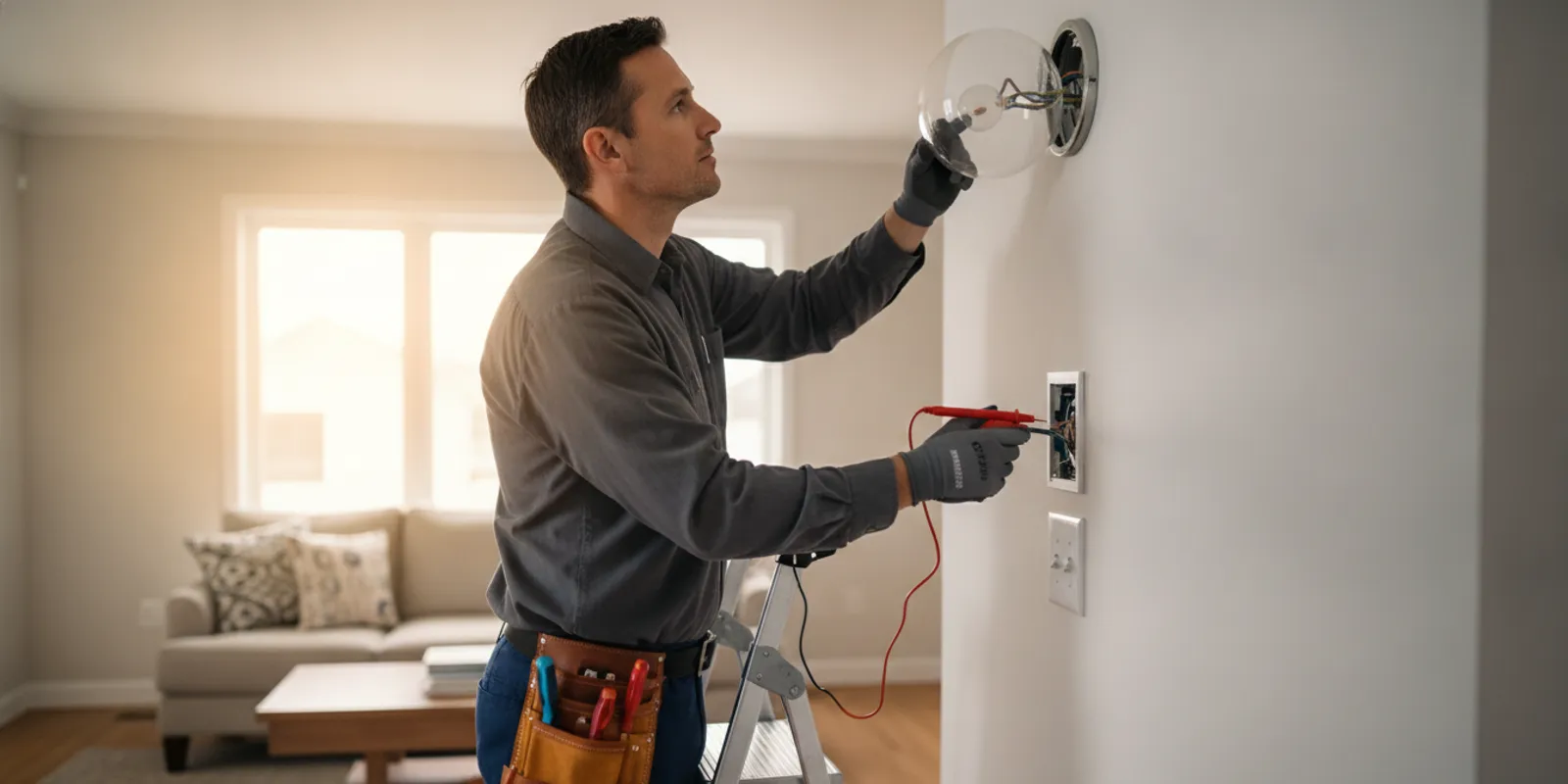
If you are searching for a flickering lights electrician Barrington IL homeowners can call, start by noticing when the flicker happens and whether it affects one light or several. A brief dim when an appliance starts may have a different cause from repeated flickering across a room. Some patterns are harmless, but others point to a loose connection or another electrical problem that needs a professional assessment.
What Can Flickering Lights Tell You?
Flickering is a symptom, not a diagnosis. It can come from the bulb, the fixture, a dimmer, a switch, a connection, or a larger part of the electrical system. The pattern offers clues, but it cannot confirm the cause on its own. A light that flickers once after being switched on is not the same situation as several lights that repeatedly brighten and dim.
Pay attention to three details: where the flicker occurs, when it occurs, and what else happens at the same time. Does it affect one bulb or multiple rooms? Does it happen when heating or cooling equipment, a microwave, or another large appliance starts? Does it persist, or stop when the light is switched off? These observations can help an electrician narrow the possibilities.
Do not remove a switch plate, open a fixture, or take apart a panel to investigate. Electrical components can remain hazardous even when a light is off. Homeowners can safely observe and report symptoms; diagnosis and repair inside electrical equipment should be handled by a qualified professional.
Flickering Lights Electrician Barrington IL: When Should You Call?
Arrange an electrical assessment when flickering repeats, happens in more than one light, or continues after you have replaced a bulb with the correct type. A light that flickers when a switch or dimmer is used may involve compatibility or a problem in that control or fixture. A light that flickers when an appliance starts may reflect a load-related issue or another condition that needs to be checked rather than guessed at.
Seek prompt professional attention if flickering comes with a burning odor, buzzing or crackling, a hot switch or outlet, visible discoloration, sparks, or a breaker that trips repeatedly. Stop using the affected light or outlet if you can do so without touching anything hot, damaged, or sparking. Do not keep resetting a breaker that trips again. If there is smoke or fire, leave the area and contact emergency services.
For a downed power line or a wire on the ground, stay far away and do not approach it. Treat it as energized and contact the utility or emergency services as appropriate. A municipal outage-reporting page likewise warns that a downed line should be assumed live and deadly: read the downed-line safety notice. That guidance applies to a dangerous line hazard, not as a diagnosis of ordinary indoor light flicker.
What Are the Common Causes of Flickering Lights?
A loose or failing bulb
A bulb that is not seated securely can flicker as its contact shifts. If the light is cool, switched off, and easy to reach safely, you can turn it off and check that the bulb is properly seated. Use the correct bulb type and wattage for the fixture, following the fixture label. Do not force a bulb or handle a damaged socket. If the flickering remains after a suitable bulb is installed, the bulb may not be the cause.
A dimmer or bulb mismatch
Some LED bulbs are not designed to work with every dimmer. A mismatch can cause flickering, a limited dimming range, or an uneven glow. Check the bulb packaging and dimmer information for compatibility. If the light only flickers at certain dimmer settings, note which settings trigger it. Avoid repeatedly adjusting a control that feels hot, makes noise, or appears damaged; arrange an inspection instead.
A fixture, switch, or wiring connection
A loose connection inside a fixture, switch, or wiring can interrupt power. This may cause intermittent flicker and can create a safety concern. The connection may not be visible from outside the fixture, and opening electrical equipment is not a safe troubleshooting step for a homeowner. If the same light flickers with a known-good compatible bulb, especially alongside unusual sounds, odor, warmth, or discoloration, stop using it and contact an electrician.
A change in electrical demand
A light may dim briefly when equipment starts, but recurring or pronounced changes deserve attention. Make a note of which appliance or equipment was running and whether the change affected one light, a circuit, or several parts of the home. Avoid assuming that the appliance is necessarily the cause. An electrician can assess the symptoms and determine whether the issue relates to the circuit, connections, electrical service, equipment, or another factor.
A broader supply or utility issue
If multiple lights in different parts of the home flicker at once, or neighbors report a similar problem, the issue may extend beyond a single bulb or fixture. Contact the electric utility when there is a suspected supply interruption or neighborhood outage. For persistent indoor flicker, an electrician can also investigate the home's electrical system. If there is a downed line, keep away from it; never try to move or inspect it yourself.
How Can You Narrow Down the Pattern Safely?
You do not need to troubleshoot wiring to collect useful information. Keep a short record, especially if the problem comes and goes. Include the room, the light or fixture, the time, what was operating, and whether the flicker happened once or repeatedly. A short video taken from a safe distance can help show an intermittent pattern, provided you do not delay responding to a hazard to record it.
- One bulb only: Note whether another appropriate bulb changes the symptom. If it does not, the fixture, control, or connection may need inspection.
- Several lights in one room: Note whether they share a switch, dimmer, or circuit if you already know that information. Do not open a panel to find out.
- Lights in several rooms: Write down whether they change together and whether an appliance starts at the same moment.
- Only with a dimmer: Record the setting and bulb type, and check compatibility information from the manufacturers.
- Along with heat, odor, noise, sparks, or a tripping breaker: Treat these as warning signs and seek professional help promptly rather than continuing tests.
Avoid repeatedly switching a suspect fixture on and off to see what happens. Do not use extension cords as a workaround for a flickering outlet or modify a fixture. If you cannot safely reach a bulb, if the fixture is damaged, or if you see or smell signs of overheating, leave it alone.
How Does Flickering in One Light Differ From Flickering Across the Home?
The number and location of affected lights help describe the problem, but they do not prove where it is. A single lamp or ceiling fixture that flickers while nearby lights remain steady may point attention toward that bulb, fixture, switch, or dimmer. If a compatible bulb has been checked safely and the flicker continues, note the fixture and control involved. Do not assume a single affected light is automatically harmless: a hot switch, odor, buzzing, visible damage, or sparks still calls for prompt attention.
When several lights in the same room change together, record whether they share a control and whether the change is brief or ongoing. If lighting in separate rooms dims or brightens at the same time, the pattern is broader. Mention whether appliances were starting, whether other occupants noticed the change, and whether the pattern affects the whole home or only a portion. An electrician can use those observations to decide which equipment and circuits to inspect.
Timing is another helpful distinction. A one-time blink during a momentary disturbance is different from a recurring flicker that happens each day or whenever the same equipment runs. A change that grows more frequent, lasts longer, or begins affecting additional lights deserves a new assessment, even if the original symptom seemed minor. Record what changes rather than repeatedly recreating the condition.
Outdoor lights can provide a separate clue. If only an exterior fixture flickers, the issue may be local to that light or its controls, but weather exposure or visible damage should not be investigated by touching the fixture. If indoor and outdoor lights change together, include both in your description. Do not climb a ladder in poor weather or handle a fixture that is wet, damaged, or warm.
Can Recent Bulb or Lighting Changes Explain Flickering?
Yes, a flicker that begins shortly after a bulb, dimmer, switch, or fixture change is useful information. The timing may help an electrician focus on compatibility, installation, or a connection, but it is not proof that the new part is defective. Keep the packaging or write down the bulb type and model if available. Note whether the new light is an LED, whether it is used with a dimmer, and whether all bulbs on the control behave the same way.
For a dimmable LED, look for clear compatibility information on the bulb and dimmer materials. Not every bulb and dimmer combination behaves the same way, and the dimmer may need to be appropriate for the lamp type. Avoid opening a wall control or trying to change wiring. If compatibility is unclear, or if the control is hot, noisy, discolored, or loose, stop using it and have it checked.
When a fixture was recently installed or moved, record who completed the work and what changed, if you know. Do not remove the fixture canopy or inspect its connections yourself. If the new fixture is flickering and other warning signs are present, stop using it and arrange professional help. If the symptom appears only at certain brightness levels without warning signs, mention the exact setting and product details when requesting an assessment.
Replacing a bulb repeatedly is not a useful long-term fix if the same light continues to flicker. Each change introduces another variable and may obscure the original pattern. Once the correct bulb is seated and compatibility has been considered, persistent flickering should be assessed rather than managed by repeated swaps.
What Will an Electrician Check?
An electrician will use your observations as a starting point and inspect the relevant equipment and electrical conditions. Depending on the symptoms, the assessment may include the bulb and fixture, the switch or dimmer, connections, circuit behavior, and the electrical panel or service. The appropriate checks depend on what is happening; there is no single repair that fits every flickering light.
Be ready to explain whether the flicker is constant or intermittent, how many lights are affected, when it began, and whether it coincides with an appliance or a change in dimmer setting. Mention any recent changes to bulbs, fixtures, switches, or electrical work, along with warning signs such as warmth, buzzing, odor, sparks, or breaker trips. Do not touch or attempt to tighten wiring before the visit.
Once the cause is identified, the electrician can explain the recommended work and any next steps. If the issue involves a fixture or control, the repair may be different from a problem involving wiring or a circuit. Ask what was found, what work is proposed, whether anything else should be monitored, and whether the affected light can be used in the meantime.
Brilliant Home Services provides electrical repair and service, including help with electrical concerns around a home. To learn more about the local service area, see the Barrington electrician service page. If the issue is limited to a fixture or lighting control, the lighting installation information may also be useful. The right service depends on the cause found during assessment.
What Should You Do Before the Service Visit?
Simple preparation can make a service conversation more useful without putting you near exposed electrical parts. Gather your notes and identify the affected room or fixture. If the problem is intermittent, note how often it happens and what else is running. If there are multiple affected lights, describe whether they flicker together or at different times.
- Make a list of affected lights and rooms, and note the approximate start date.
- Write down the bulb type, dimmer use, and any recent changes you already know about.
- Describe related symptoms precisely, including the location and whether they are ongoing.
- Keep the area around the affected fixture accessible, but do not remove covers or move wiring.
- If a serious warning sign appears, prioritize safety and communicate it when arranging service.
When you contact a provider, describe the issue rather than trying to name the repair. “The kitchen lights dim when the oven starts” is more useful than assuming that the panel needs replacement. For questions about other electrical needs, you can review the company's broader home service options or use the contact page to arrange a conversation.
What If Flickering Affects a Business or Shared Building?
For a small business or a property with shared spaces, note which rooms or work areas are affected and whether customers, staff, or building occupants have reported the same pattern. Include the time of day, any equipment that was running, and whether the flicker affects task lighting, a corridor, or several areas. This information helps describe the problem without asking occupants to inspect electrical equipment.
Do not leave a fixture in service if there are signs of heat, sparks, a burning smell, crackling, or visible damage. Keep people away from the affected area if it is unsafe to use, and follow the property's established safety procedures. If an issue affects essential work areas or appears across multiple spaces, arrange an assessment and communicate the concern to the person responsible for building maintenance. Never ask staff or tenants to open a panel, remove a switch cover, or attempt a wiring repair.
In a leased or shared building, the owner, property manager, or tenant may need to coordinate access and responsibility for repairs. Report the symptom promptly to the appropriate contact and preserve details about when it occurs. For commercial electrical needs, the electrical service page provides a starting point for discussing the work; the specific assessment depends on the building and the symptoms.
What Questions Should You Ask About the Recommended Work?
After the electrician explains the findings, ask which observed symptoms led to the recommendation and what component or condition is involved. Ask whether the flicker is limited to one fixture or whether the assessment identified an issue elsewhere. A clear explanation helps you understand why the proposed work addresses the cause rather than only the visible symptom.
Before approving work, ask what is included, whether any additional assessment may be needed, and whether the affected light or circuit should remain out of use until the work is complete. If the recommendation includes replacing a fixture, switch, or dimmer, confirm which parts are included and whether you need to choose a specific product. If more than one option is offered, ask how each addresses the problem and what limitations apply.
Do not rely on a general internet description to decide which repair your home needs. Two lights can flicker for different reasons, even when the visible symptom looks alike. An on-site assessment and a clear explanation of the findings are more useful than selecting a repair based on a guess. If the symptom changes before the scheduled visit, update the provider, especially if warning signs appear.
Does Flickering Automatically Mean You Need a Panel Upgrade?
No. Flickering by itself does not establish that the electrical panel is undersized, damaged, or due for replacement. The symptom may come from a bulb, dimmer, fixture, connection, a particular circuit, equipment, or a supply issue. Do not choose a major repair based only on a light changing brightness or on an online checklist.
Tell the electrician whether the flicker affects one light, one room, or multiple parts of the property, and whether it coincides with an appliance starting. Mention any other known electrical concerns, but do not remove the panel cover or try to identify a circuit by opening equipment. A professional can assess the relevant parts of the system and explain whether the panel is involved or whether a more limited repair addresses the cause.
If the assessment leads to a recommendation for panel work, ask what condition was found, what work is proposed, and whether any other options are appropriate. Ask how the recommendation relates to the flickering symptom and what additional work, if any, is included. Clear findings are more useful than assuming that every repeated flicker calls for a panel replacement.
What If the Flicker Is Intermittent?
An intermittent symptom can be difficult to reproduce during a visit, so a concise record matters. Note the date and approximate time, how long the flicker lasted, which lights changed, and what equipment was running. If the problem follows a repeatable pattern, such as occurring when a certain appliance starts, record that pattern without repeatedly turning the appliance or light on and off to test it.
A video may help show a brief change that is hard to describe, but it is optional. Take it only from a safe position and do not approach a hot, damaged, sparking, or noisy fixture. If a warning sign appears, stop documenting and focus on safety. Keep the notes available when arranging service and update the provider if the issue becomes more frequent or spreads to additional lights.
Frequently Asked Questions
Are flickering lights always dangerous?
No. A loose bulb or incompatible dimmer and LED combination can cause flicker, but a repeated or widespread problem can also point to an electrical issue. Treat burning odor, buzzing, heat, sparks, visible damage, or repeated breaker trips as warning signs. Do not open electrical equipment to investigate.
Should I replace a bulb before calling an electrician?
If the fixture is in safe reach, is not hot or damaged, and has no other warning signs, you can switch it off, let it cool, and check that the bulb is seated correctly. You may try the correct compatible bulb if the fixture instructions allow it. If flickering continues, the fixture or another part of the circuit may need professional assessment.
Why do my lights flicker when an appliance turns on?
The timing suggests the two events may be related, but it does not identify the cause. Note which appliance starts, which lights change, and whether the flicker is brief or persistent. If the effect is pronounced, keeps recurring, or occurs across several rooms, arrange an electrical assessment rather than assuming it is normal.
Can I keep using a light that flickers?
That depends on the cause and whether there are warning signs. If the light is accompanied by heat, odor, crackling, sparks, damage, or a tripping breaker, stop using it if you can do so safely and get professional guidance. If it flickers repeatedly without those signs, arrange an assessment to find the cause instead of relying on the light indefinitely.
What information should I give an electrician?
Share which lights are affected, how often the flicker occurs, when it started, whether it happens with an appliance or dimmer setting, and whether you have noticed heat, noise, odor, sparks, or breaker trips. These details help focus the assessment, but an on-site inspection may still be needed to determine the cause.
Schedule Service for Flickering Lights in Barrington
Flickering can come from a simple bulb issue or a condition that deserves closer attention. Note the pattern, avoid opening electrical equipment, and treat signs of overheating or damage seriously. If the problem repeats or affects multiple lights, contact Brilliant Home Services to discuss an electrical service visit in Barrington.
Ready to Get Started?
Contact Brilliant Home Services for professional, reliable service in Chicagoland. We are available 24/7 for emergencies.