Licensed Electrician vs Handyman in Illinois
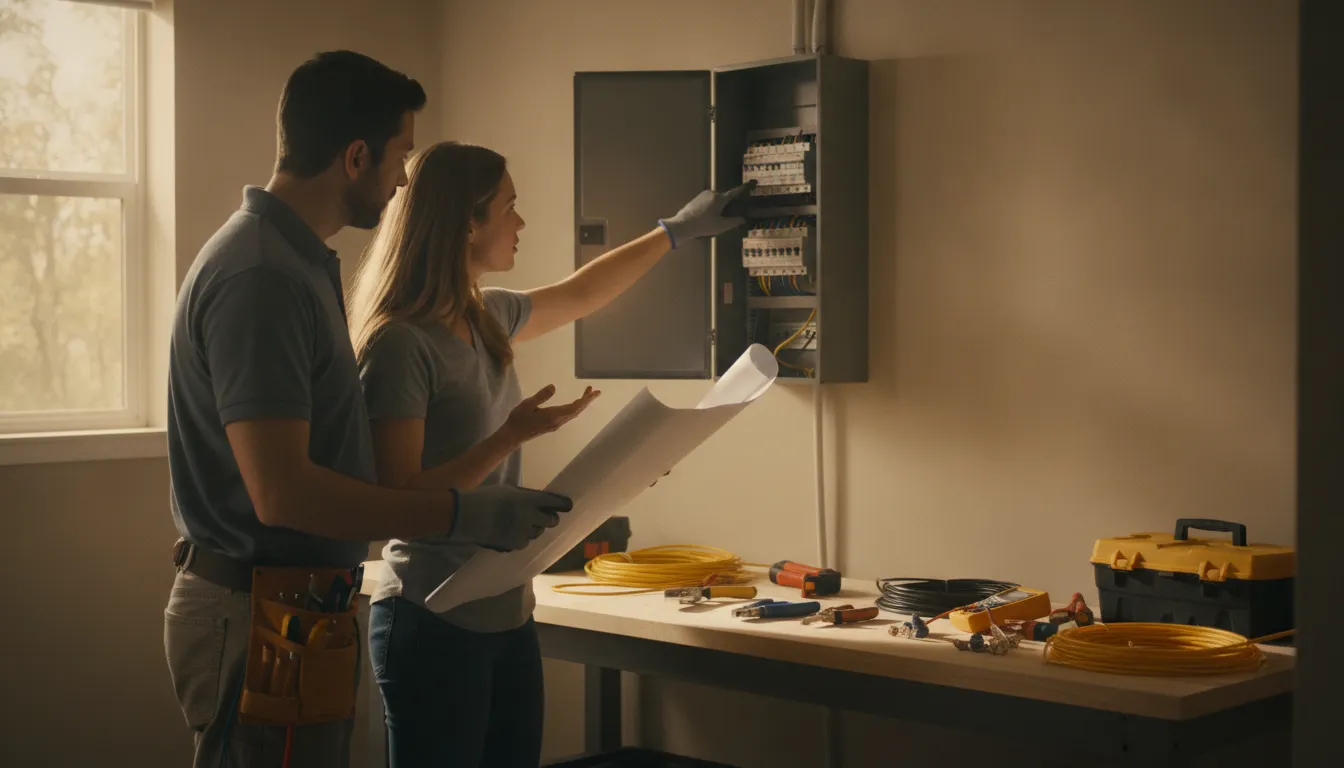
Choosing who handles an electrical task is about more than comparing an hourly rate. A handyman may be a practical fit for general repairs, while wiring, panels, outlets, inspections, and safety requirements call for specialized training and accountability. Illinois homeowners should also confirm the rules that apply in their specific city or county.
The right choice in a licensed electrician vs handyman decision depends on the task. Use a qualified electrical professional for work that affects wiring, power distribution, protection, or code compliance. For cosmetic or non-electrical repairs, a capable handyman may be appropriate.
This guide explains the practical differences, warning signs, credential checks, and cost factors that matter before work begins. For a broader look at local electrical options, see Electrical Services for Barrington and Northwest Chicago Suburbs.
What Should You Compare in a Licensed Electrician vs Handyman Decision?
The practical difference is the scope of work, not a blanket judgment about either profession. A handyman may be a good fit for drywall patching, trim, painting, hardware, or other general repairs. Once a project involves energized systems, wiring, electrical troubleshooting, or changes to a circuit, the safety and code-compliance questions become more significant.
Illinois does not have one statewide rule that answers every homeowner's question about licensing, permits, and inspections. Requirements may depend on the applicable city or county authority. Confirm local requirements before work begins, and use the Illinois IDFPR License Lookup to verify an individual or business. IDFPR says its lookup data is maintained and updated regularly, although a newly issued license may take up to 24 hours to appear.
Match the provider to the electrical scope
Contact a qualified electrical professional when the work includes:
- Repairing or installing wiring, panels, circuits, or outlets.
- Diagnosing an intermittent circuit, outage, or other electrical fault.
- Evaluating existing work for safety or code-compliance concerns.
- Installing lighting that requires new wiring or circuit changes.
- Working on smoke and carbon monoxide detectors, surge protection, or an EV charger.
A handyman might install a fixture when an electrician has already prepared safe wiring, or complete cosmetic work after an electrical project. That does not make a handyman the right choice for modifying the electrical system. Discuss the boundary before work starts, especially if a simple replacement reveals damaged wiring or an overloaded panel.
Brilliant Home Services lists wiring repair, panel upgrades, outlet work, troubleshooting, inspections, lighting, detectors, surge protection, and EV charger installation among its electrical services. The company states that its electrical work follows strict industry codes and is performed by licensed, bonded, and insured professionals.
What Are the Risks of Hiring an Unlicensed Contractor for Electrical Work?
The concern is not that every handyman does poor work. Many are a good fit for non-electrical repairs. The concern is assigning wiring, panels, outlets, troubleshooting, or other electrical tasks to someone without the training, credentials, insurance, or documentation the work requires. An installation can look finished while hidden defects remain behind a wall or inside a panel.
Hidden defects may not be visible
Loose connections, damaged insulation, incorrect conductors, overloaded circuits, or poor grounding can leave a system operating outside its intended design. Warning signs include buzzing, burning odors, warm or discolored outlets, flickering lights, repeated breaker trips, shocks, sparking, smoke, or unexplained power loss. Turn off power if it is safe to do so, avoid investigating energized equipment, and contact a qualified professional.
Code, permit, and inspection questions can also become unclear after informal work. A contractor should explain the planned scope, documentation, and inspection process. If the person cannot clearly describe who will perform the work or what records you will receive, pause before authorizing the project.
Correction work can cost more than careful planning
When unsafe work must be opened, traced, tested, and rebuilt, the project may involve extra labor, materials, troubleshooting, restoration, and coordination. Insurance and accountability matter if property is damaged or a later problem is connected to the original work. A written scope, proof of insurance, and clear records provide more protection than a verbal promise.
Takeaway: Choose the provider based on the task and the risk involved. For electrical work, verify credentials and request a qualified evaluation when wiring, concealed defects, code questions, or inspections are involved.
How Does a Licensed Electrician vs Handyman Choice Change by Project?
A handyman may be appropriate for broad home maintenance, cosmetic repairs, and finish work. Electrical work calls for a different kind of preparation. Electricians commonly develop skills through classroom education, apprenticeship training, supervised hands-on work, and testing. That background supports safe installation, troubleshooting, code awareness, and careful evaluation of electrical systems.
| Consideration | Handyman | Licensed electrician |
|---|---|---|
| Typical focus | General repairs, maintenance, and finish work | Wiring, panels, devices, circuits, and troubleshooting |
| Training emphasis | Varies by individual experience and services | Specialized electrical education, field training, and applicable testing |
| Questions to ask | Experience, written scope, references, and coverage | License details, insurance, permits, inspections, and completed-work records |
| Best fit | Non-electrical repairs and finish work | Specialized electrical tasks and safety concerns |
Licensing and insurance answer different questions, so verify both. Ask who carries coverage, whether subcontractors are involved, and what documentation you will receive after completion. Also ask whether the project requires a permit or inspection under local rules.
- What experience do you have with this exact electrical task?
- Can you provide current license and insurance information?
- Who will perform the work, and will any portion be subcontracted?
- Will the work follow applicable codes, and what local permit or inspection requirements should I confirm?
- Will I receive a written scope and documentation of the completed work?
Brilliant Home Services states that its electrical professionals are licensed, bonded, and insured, and that its work follows strict industry codes. The company also identifies itself as an Eaton Certified Electrical Contractor. These are company credentials to review as part of a hiring decision, not a substitute for confirming the requirements that apply to your property.
How Can You Verify an Electrical Contractor's License in Illinois?
Use a simple verification process before work begins, especially when the project involves wiring, a panel, outlets, troubleshooting, or an inspection.
- Search the Illinois IDFPR License Lookup. Start with the state's primary verification tool for an individual or business entity.
- Use the exact legal name. Ask for the legal name and license information used for the job. Confirm that the result matches the person or entity you are hiring.
- Check the record details. Review the displayed status and credential information. If a license was issued very recently, allow up to 24 hours for it to appear.
- Confirm local requirements. Contact the city, village, township, or county authority with jurisdiction over the project. Ask about permits, inspections, contractor credentials, and application responsibility.
- Match credentials to the scope. Replacing a cover is different from diagnosing a circuit, repairing wiring, upgrading a panel, or installing an EV charger.
- Request insurance confirmation. Ask for current proof of insurance and clarify what coverage applies to the work.
- Get the plan in writing. Keep the scope, license information, insurance documents, permits, and inspection records with your home documents.
This checklist does not replace the local authority's direction. It gives homeowners a practical starting point for a safer, better-documented decision.
Is a Handyman Cheaper Than an Electrician?
Sometimes, especially for a simple non-electrical repair. However, the lowest initial quote may not represent the lowest total project cost when the job involves wiring, troubleshooting, safety, or inspection requirements.
Compare the complete scope instead of an hourly rate alone. Consider the complexity of the work, required materials, local permits, troubleshooting time, insurance, written documentation, and the risk of correction work. A visible symptom may not reveal the underlying electrical problem, and a partial repair can leave the homeowner paying for another service visit.
Ask each provider to explain what the visit includes. Does the work cover diagnosis, safe shutoff, testing, materials, cleanup, and documentation? Will the provider identify related hazards, or address only the visible symptom? These questions help you compare proposals fairly without assuming that a lower labor figure covers the same work. They also clarify when a general repair provider should stop and refer the electrical portion to a qualified professional.
Brilliant Home Services does not publish a standard price list. The company provides quotes or estimates based on the actual project, with upfront pricing and no hidden fees as stated company policies. That approach lets a homeowner compare the real scope, materials, documentation, and correction risk instead of comparing an incomplete starting figure.
Before the visit, gather photos of the affected area if doing so is safe. Note when the problem occurs, which breakers or devices are involved, and whether the issue affects one room or the whole home. Do not remove covers or test energized parts to collect more information. A clear description helps the provider prepare, while an on-site evaluation determines the appropriate work.
Why Do Barrington Homeowners Choose Certified Electrical Professionals?
For Barrington homeowners, the decision often comes down to safety, documentation, code-conscious workmanship, and confidence that the provider can support the home if the project becomes more involved. Brilliant Home Services is headquartered in Barrington and has served homeowners since 1956.
The company identifies electrical professionals who are licensed, bonded, and insured, and states that its electrical work follows strict industry codes. It is also an Eaton Certified Electrical Contractor. Homeowners can use those credentials as focused questions during the hiring process, while still confirming local requirements for the specific project.
Brilliant offers wiring repair, panel installation and upgrades, outlet work, troubleshooting, inspections, lighting, detector work, surge protection, and EV charger installation. It also offers 24/7/365 emergency service for situations that need prompt attention. Burning odors, smoke, sparking, shocks, and repeated breaker trips should be treated seriously rather than handled as an unfamiliar do-it-yourself repair.
The best choice in a licensed electrician vs handyman comparison depends on the task. A handyman may be appropriate for non-electrical maintenance, while specialized electrical work calls for credentials and experience aligned with the risk and complexity involved. For electrical work in Barrington and nearby communities, homeowners can review the project scope, verify qualifications, and choose a contractor prepared to document the work. The related Barrington electrical services guide provides additional local context.
Frequently Asked Questions
Is a handyman cheaper than an electrician?
Sometimes, especially for cosmetic or non-electrical repairs. For electrical work, compare complexity, materials, permits, troubleshooting, documentation, insurance, and correction risk. A written scope and estimate make the comparison more useful than an hourly rate alone.
Can a handyman replace a light switch or fixture?
It depends on the existing wiring, the task, and local requirements. A simple fixture replacement may differ from troubleshooting wiring, modifying a circuit, or correcting a code issue. Ask who will perform the electrical portion and whether a qualified electrical professional or inspection is required.
How can I verify an electrician's license in Illinois?
Use the Illinois Department of Financial and Professional Regulation License Lookup. Search the exact legal name, review the record details, and allow up to 24 hours for a newly issued license to appear.
Do I need a permit for electrical work in Barrington?
Permit and inspection requirements can vary by municipality and project. Confirm the requirements with the applicable local authority before work begins, and ask the contractor who handles applications and inspections.
When should I call a licensed electrician instead of a handyman?
Choose a qualified electrical professional for wiring repairs, panel work, recurring faults, circuit changes, inspections, or projects involving safety and code compliance. A handyman may be a good fit for separate non-electrical work.
Schedule Service Now for Your Electrical Project
Choosing the right professional helps you approach electrical work with a clear scope, appropriate credentials, and safety in mind. For an evaluation or estimate in Barrington and nearby communities, Schedule Service Now. Share whether the project involves wiring, a panel, outlets, lighting, or another electrical concern so the next step can be explained clearly.
Ready to Get Started?
Contact Brilliant Home Services for professional, reliable service in Chicagoland. We are available 24/7 for emergencies.