AC Maintenance Checklist for Homeowners Before Summer
A little preparation before hot weather can help you catch simple air conditioner issues before the first warm spell. This AC Maintenance Checklist for Homeowners Before Summer separates safe homeowner tasks from work best left to a trained technician, so you can check the basics without opening equipment or guessing at a repair.
Why prepare your air conditioner before summer?
When an air conditioner has been idle for months, small problems may not be obvious until the system is asked to cool the house for hours. A clogged filter, blocked return grille, debris near the outdoor unit, or an incorrect thermostat setting can affect comfort and airflow. Other symptoms, such as unusual sounds, repeated shutdowns, or water around indoor equipment, may point to a problem that calls for professional attention.
Spring is a useful time to notice those issues before your household depends on cooling every day. A quick review also gives you time to locate the model information, note symptoms, and arrange service if needed. The goal is not to take apart the system or diagnose electrical or refrigerant problems. It is to complete basic checks, keep the airflow path clear, and recognize when to stop.
Start with the equipment's owner manual if you have it. Models differ, and the manual is the best source for the filter size, replacement instructions, and any maintenance steps the manufacturer allows. If a step conflicts with the manual, follow the manual or ask a qualified professional.
What belongs on an AC Maintenance Checklist for Homeowners Before Summer?
Use this checklist in order. These are visual and routine household checks, not a substitute for inspection or repair by a technician.
- Set the thermostat to cooling. Confirm that it has power, the display is readable, and the mode is set correctly. Check the temperature setting and schedule. If the thermostat uses batteries, replace them if the display indicates they are low or the manual recommends it.
- Check the air filter. Find the filter location using the manual or the label on the return grille or air handler. Look for visible dust buildup and confirm that the filter is installed in the direction shown by its airflow arrow. Replace it with the correct size and type if it is dirty or due for replacement.
- Inspect accessible return and supply grilles. Make sure rugs, curtains, furniture, boxes, and other objects are not blocking them. Wipe dust from the grille surface with the system off. Do not insert objects into the ducts.
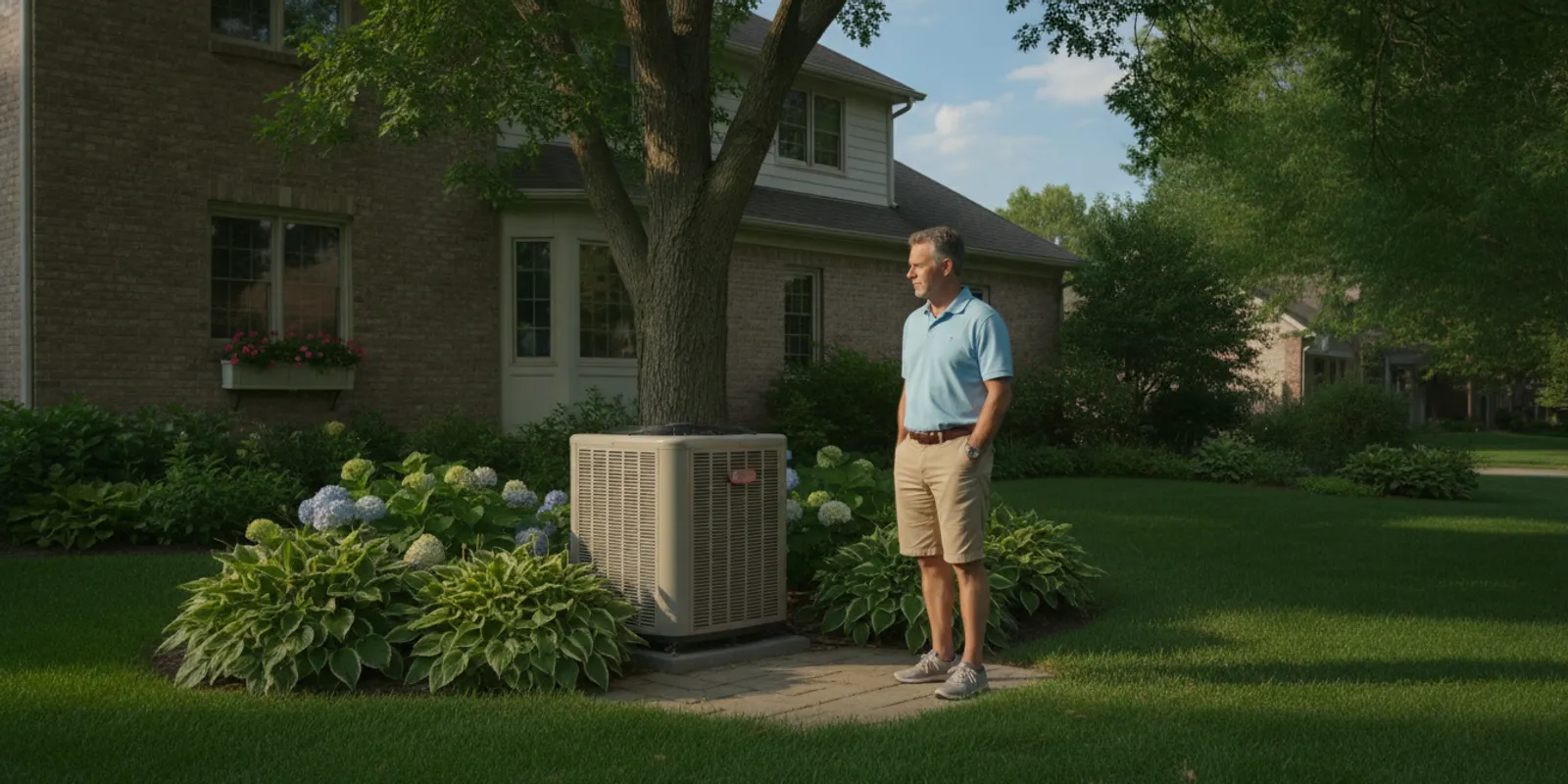
- Look around the outdoor unit. Remove loose leaves, paper, and other debris from the surrounding area without opening the cabinet or reaching through the grille. Keep plants, stored items, and yard materials from restricting airflow around the unit. Follow manufacturer clearance guidance.
- Check for visible changes. Look for damage, a tilted base, unusual staining, or signs of water near equipment. Do not remove access panels or touch wires, coils, or moving parts.
- Test cooling briefly. Once the basic checks are complete and outdoor conditions are appropriate for your equipment, use the thermostat as directed by its manual. Listen and look from a safe distance. If the system does not start, stops repeatedly, makes a new noise, or shows another concerning sign, turn it off and arrange professional help.
- Make a note of what you observe. Record when the symptom occurs, which rooms are affected, and whether the system runs continuously or shuts off. These details can help a technician understand the concern.
For broader routine-maintenance reminders, the ENERGY STAR maintenance checklist advises homeowners to check thermostat settings, inspect the condensate drain, and have other maintenance items addressed. Use the equipment manual and a qualified professional for tasks that go beyond simple visual checks.
How do you check or change the air filter?
A filter is one of the simplest items for a homeowner to inspect, but it still needs to be the right size and installed correctly. A filter that is too small can leave gaps; one placed backward may not perform as intended. If you cannot identify the correct filter or direction, check the system label, manual, or ask a technician rather than forcing a fit.
Find the correct filter
Filters are commonly located at a return-air grille or near the indoor air handler, but the arrangement varies. Turn the system off before removing an accessible filter. Check the dimensions printed on the frame and note the filter type. Do not assume that a thicker or higher-rated filter is automatically suitable for your equipment. A change in filter design can affect airflow, so use the specification recommended for your system.
Inspect and replace when needed
Hold the filter up to a light source if you are unsure whether it is heavily loaded. A filter that is visibly covered with dust or debris may be due for replacement. Follow the manufacturer's schedule as well; how quickly a filter needs attention can depend on the household and operating conditions. Homes with pets, renovation dust, or frequent system use may need more frequent checks, but the equipment instructions should guide replacement.
Before inserting a new filter, look for the airflow arrow on its frame. That arrow should point in the direction of airflow through the system, as indicated by the unit or grille. Close the filter slot or grille securely. Write the replacement date on a calendar or set a reminder to inspect it again. Avoid running the system without a filter unless a qualified professional specifically instructs you to do so.
What should you check around vents and the outdoor unit?
Air needs a clear path into and out of the system. Indoors, walk through the rooms and notice whether supply vents and return grilles are open and unobstructed. A closed door can also change how air moves through a room, depending on the home's layout. Do not block grilles to redirect cooling; if a room stays uncomfortable, note the pattern and discuss it during a service visit.
For the outdoor condenser, focus on what you can see without removing any panels. Clear loose leaves and litter away from the unit's exterior. Trim plants only if you can do so without damaging equipment, and keep lawn clippings or stored items from collecting against it. Do not bend fins, spray a pressure washer, or reach inside the cabinet. Those actions can damage components or create a safety hazard. If debris is lodged inside or the coil appears damaged, leave it for a technician.
Check that the unit appears stable and that nothing has fallen onto it. Do not attempt to straighten, lift, or reposition heavy equipment. If you notice a leaning unit, exposed wiring, impact damage, or a burning smell, keep clear and contact a professional. If there is an immediate electrical hazard, avoid contact and follow appropriate emergency safety steps.
How can you check the thermostat and cooling performance?
Begin with the simple controls. Confirm that the thermostat is set to cooling rather than heating or fan-only mode. Check its schedule, temperature setting, and batteries if applicable. If the display is blank or settings will not stay put, consult the thermostat manual. Do not change unfamiliar wiring or configuration settings in an effort to force the system to run.
After the filter and airflow checks, you can observe a normal cooling call if conditions and the manufacturer's guidance permit. Set the thermostat as you ordinarily would and allow the system time to respond. Listen for a new or harsh sound. Notice whether the equipment starts and continues running, whether air comes from supply vents, and whether the home begins to feel more comfortable. A single quick test cannot establish that every part is operating correctly, and it is not a reason to open the equipment.
Do not judge performance by touching refrigerant lines or relying on an arbitrary temperature difference at one vent. Indoor comfort depends on many factors, including outdoor conditions, insulation, system design, and room airflow. Instead, report concrete observations: the system runs but does not cool, only certain rooms feel warm, the thermostat display goes blank, or the equipment stops and restarts. Those details are more useful than guessing at a cause.
It can help to compare observations under similar conditions rather than relying on a single moment. For example, note the thermostat setting, approximate outdoor conditions, which rooms feel warm, and whether doors or blinds were open. A sunny upstairs room at one time of day may feel different from a shaded room later. You do not need to measure every room or calculate a technical performance figure. The purpose is to describe a repeatable comfort pattern accurately.
Also notice whether the issue appeared after a change in the home. Recent remodeling, a new appliance, furniture moved in front of a return grille, or work near the outdoor unit may be useful context. This does not establish the cause, but it helps a technician ask the right follow-up questions. Avoid changing several settings at once, because it can become harder to tell what changed the system's behavior.
If the cooling call appears to work, return the thermostat to the household's preferred setting rather than leaving an unusually low setting in place to test the unit. A very low setting does not make a system cool faster. Let the system operate as designed and watch for the warning signs discussed below. If there is an unusual smell, noise, water, or repeated interruption, stop the test rather than continuing to experiment.
Which AC maintenance tasks should a professional handle?
Some maintenance requires training, appropriate tools, and safe access to equipment. Homeowners should not open electrical compartments, handle refrigerant, adjust internal components, or attempt repairs based on an online symptom list. Even when a task sounds simple, manufacturer requirements and equipment design can vary.
A professional can inspect system components, check operating conditions, and identify service needs that are not visible from the outside. A maintenance visit may include items such as checking electrical connections, inspecting the condensate drain, and assessing system operation; the exact work depends on the equipment and its condition. ENERGY STAR's maintenance checklist also identifies checks that are appropriate to include in routine HVAC care. Ask what is included before work begins and request an explanation of any recommended repair.
For AC service information, see air conditioning services. If you are not sure whether a concern needs a service visit, describe the symptom and ask what next step is appropriate. Never remove a panel or bypass a safety device to keep the system running.
Different questions call for different information. If your concern is that some rooms cool unevenly, the existing article on choosing an AC unit size explains why sizing is a planning question rather than a guess based only on floor area. If equipment is already failing to cool, review common AC repair concerns in Barrington for a related homeowner overview, then rely on a technician to diagnose the specific system. These guides cannot replace an assessment of your home's equipment.
Planning a replacement is a separate decision from seasonal maintenance. The articles about AC installation in Barrington and comparing air conditioners for a home can help you organize questions about a future project. They are not a reason to replace a unit that may only need routine care. For other home services and electrical work, the services overview lists Brilliant Home Services' service paths. Use the page that matches your question, and ask for the scope and next steps before approving work.
What warning signs mean you should stop and call for help?
Turn the system off and seek professional guidance if you notice a burning or electrical smell, smoke, repeated tripping of a breaker, visible damaged wiring, or loud and unusual mechanical sounds. Do not repeatedly reset a breaker or restart equipment that keeps shutting down. Repeated resets can mask a fault and may create additional risk.
Other signs to report include water where it was not present before, an indoor unit that appears to be leaking, ice on accessible equipment, unusual vibration, weak airflow that remains after you check the filter and grilles, or a system that runs without making the home comfortable. Do not scrape ice, pour chemicals into a drain, or use a tool to clear a blockage. If water is near electrical components, keep away and request professional help.
One warm room alone does not prove the air conditioner is failing. Note when it happens and whether doors, sun exposure, blocked vents, or recent household changes may be involved. But persistent or worsening symptoms deserve attention. A clear description and any recent change in system behavior will help the service professional decide what to inspect.
How should you compare the checklist with a service visit?
Homeowner checks and professional maintenance are different kinds of work. The table below is a planning guide, not a promise that every system needs the same tasks. Check the manual and confirm the scope with the service provider before work begins.
| Task or concern | Homeowner check | Professional follow-up | When to act |
|---|---|---|---|
| Air filter | Inspect accessible filter and replace with the specified size and type if needed. | Help identify the correct filter or investigate airflow concerns. | Before regular cooling use; check as directed by the manual. |
| Vents and return grilles | Remove objects blocking the grille; wipe the surface with equipment off. | Assess persistent airflow imbalance or comfort concerns. | During the spring walk-through or when a room remains uncomfortable. |
| Outdoor unit surroundings | Clear loose debris from the area; keep the cabinet closed. | Inspect coils and internal parts; address damage or lodged debris. | Before cooling season and after noticeable yard debris buildup. |
| Thermostat | Check mode, settings, schedule, and batteries where applicable. | Diagnose persistent control or system-response problems. | Before testing cooling or if the display or settings behave abnormally. |
| Drain, electrical parts, and internal components | Look for visible water or damage; do not open equipment. | Inspect and service components using the appropriate procedures. | During scheduled service or when a warning sign appears. |
| System not cooling or repeatedly stopping | Record what happens; switch off if there are concerning sounds, smells, leaks, or repeated shutdowns. | Diagnose the cause and explain repair options. | Arrange help promptly when the symptom persists or a safety concern appears. |
When is the best time to schedule AC maintenance?
Plan ahead of the first stretch of hot weather if you can. Spring gives you room to address an issue before cooling becomes urgent, and it gives you time to ask questions about the system. If you have not had the equipment checked for a while, it is reasonable to ask a qualified provider whether a maintenance visit is appropriate for your unit and what it will cover.
There is no single calendar date that fits every home. Weather can vary, appointment availability changes, and systems differ in age, usage, and maintenance history. An air conditioner that ran normally last summer may still need attention now; a system that is rarely used may also have a problem that only appears when cooling starts. If the system has a current fault, do not wait for a seasonal tune-up appointment to describe it.
Use a calendar reminder rather than relying on memory. A simple note can record when you checked or replaced the filter, when the outdoor area was cleared, and when a service visit took place. Keep the equipment manual and any service paperwork together, or save clear photos of the documents. This record gives you a reference next season and can help you explain what has already been done without treating a past visit as proof that the system has no current issue.
For households with more than one cooling system, label the notes by equipment location, such as upstairs or main floor. Check each accessible filter and outdoor unit separately; one unit's condition does not tell you the condition of another. If you are unsure which thermostat or filter belongs to which equipment, do not guess. Ask the service provider to help identify the units during an appointment and record that information for future checks.
Brilliant Home Services offers air conditioning services in its service portfolio. To discuss the next step, use the contact and scheduling page. When arranging an appointment, ask what the visit includes and whether the technician will need access to indoor and outdoor equipment.
How can you prepare for an AC service appointment?
A few details can make the conversation clearer and help avoid repeated explanations. Before calling or submitting a request, write down:
- The equipment's location and any model information you can safely read from an exterior label.
- When the problem started and whether it occurs every time the system runs.
- Which rooms are affected and whether airflow or comfort differs between them.
- Any new sounds, smells, visible water, ice, or repeated shutdowns.
- When you last changed the filter, if you know, and any work recently done near the equipment.
- Whether access to the indoor unit, thermostat, or outdoor unit will be limited.
Do not remove a cover to find a model number. A photo of a visible label is fine if you can take it without touching the equipment or entering an unsafe area. Clear a path to the thermostat and equipment, secure pets, and let the technician know about any access constraints. If you rent, check with the property owner or manager before arranging repairs that are their responsibility.
Ask the provider to explain the recommended work in plain language. If the technician identifies a repair, ask what was observed, what the proposed work addresses, and whether there are alternatives. You do not need to accept work you do not understand. A written scope can help you compare the recommendation with your priorities and the equipment's condition.
What common AC maintenance mistakes should you avoid?
Do not choose a filter based on guesswork
Use the size and type specified for your equipment. A filter that does not fit or is not suitable can create airflow problems. If the correct specification is unclear, check the manual or get guidance instead of stacking filters or trimming one to fit.
Do not wash or open equipment casually
Outdoor equipment contains components that can be damaged by force, water pressure, or contact. Keep the cabinet closed, do not straighten coil fins, and do not spray cleaners into the unit. Leave coil cleaning and internal maintenance to a qualified professional following the equipment guidance.
Do not ignore repeated warning signs
A system that stops repeatedly, trips a breaker, leaks, or makes a new harsh sound is not fixed by restarting it over and over. Turn it off when appropriate, note the symptom, and ask for professional help. The same applies if an odor suggests overheating or if you see damaged wiring.
Do not assume every comfort problem starts at the air conditioner
Sunlight, closed doors, blocked grilles, building layout, and other factors can affect how a room feels. Check the simple airflow obstructions, then describe the pattern. Avoid changing ductwork or internal system settings without qualified guidance.
What questions can you ask at a maintenance visit?
A service appointment is also a chance to understand how to care for the system between visits. You do not need technical knowledge to ask for a clear explanation. Before the technician arrives, choose the questions that matter most to your household and keep a note of the answers.
- Which filter size and type does this equipment require, and where is it installed?
- What maintenance does the manufacturer recommend, and how often should I check accessible items?
- What is included in today's visit, and which tasks are outside its scope?
- Did you observe a condition that needs repair now, or is it something to monitor?
- Are there warning signs that mean I should turn the system off and call?
- Is there an access, airflow, or equipment-label issue I should address before the next visit?
Ask the technician to point out accessible items without opening or handling anything yourself. A clear explanation can help you know which checks are safe to repeat and which ones should remain professional work. If a recommendation involves repair, ask for the reason, the work proposed, and the expected next step. Written details can make it easier to compare the recommendation against the issue you reported.
It is also reasonable to ask for clarification when a phrase or measurement is unfamiliar. Do not feel that you have to approve a repair on the spot if you do not understand what it addresses, except where an immediate safety concern requires action. A useful appointment should leave you with a clearer understanding of the equipment's condition and any follow-up that was recommended.
Frequently Asked Questions
How often should I check my AC filter?
Follow the filter and equipment manufacturer's instructions. Check it regularly, especially during periods of frequent use, and replace it when it is visibly dirty or the recommended interval arrives. Household conditions can change how quickly it collects debris, so do not rely on a fixed interval if the manual says otherwise.
Can I clean the outdoor AC coil myself?
Do not open the equipment or use a pressure washer or chemical cleaner. You can remove loose debris around the outside of the unit while keeping the cabinet closed. If the coil appears dirty, bent, or obstructed, have a qualified professional assess it.
Should I run the AC to test it in spring?
Check the manual for any temperature limits or operating instructions before testing. After confirming the thermostat setting and basic airflow, observe the system only if conditions are suitable for your equipment. Stop if it makes an unusual noise, repeatedly shuts off, or shows another concerning symptom.
Does a new air conditioner still need maintenance?
Yes, follow the installation and manufacturer's maintenance guidance even when equipment is new. Keep filters in the recommended condition and avoid blocking airflow. A new system can still have an issue, so report unexpected behavior rather than assuming the unit needs no attention.
What if my AC runs but the house stays warm?
Check the thermostat mode and filter, and make sure supply and return grilles are not blocked. If the issue persists, note how long the system runs and which rooms are affected, then contact a qualified service provider. Do not open the equipment or attempt refrigerant or electrical repairs.
What is the next step before summer?
Work through the safe checks, replace a filter only when you know the correct specification, and write down anything that seems unusual. If the system shows warning signs or you want a professional to assess it before regular use, contact Brilliant Home Services to discuss scheduling.
Ready to Get Started?
Contact Brilliant Home Services for professional, reliable service in Chicagoland. We are available 24/7 for emergencies.