Best AC Units for Home: How to Choose the Right One
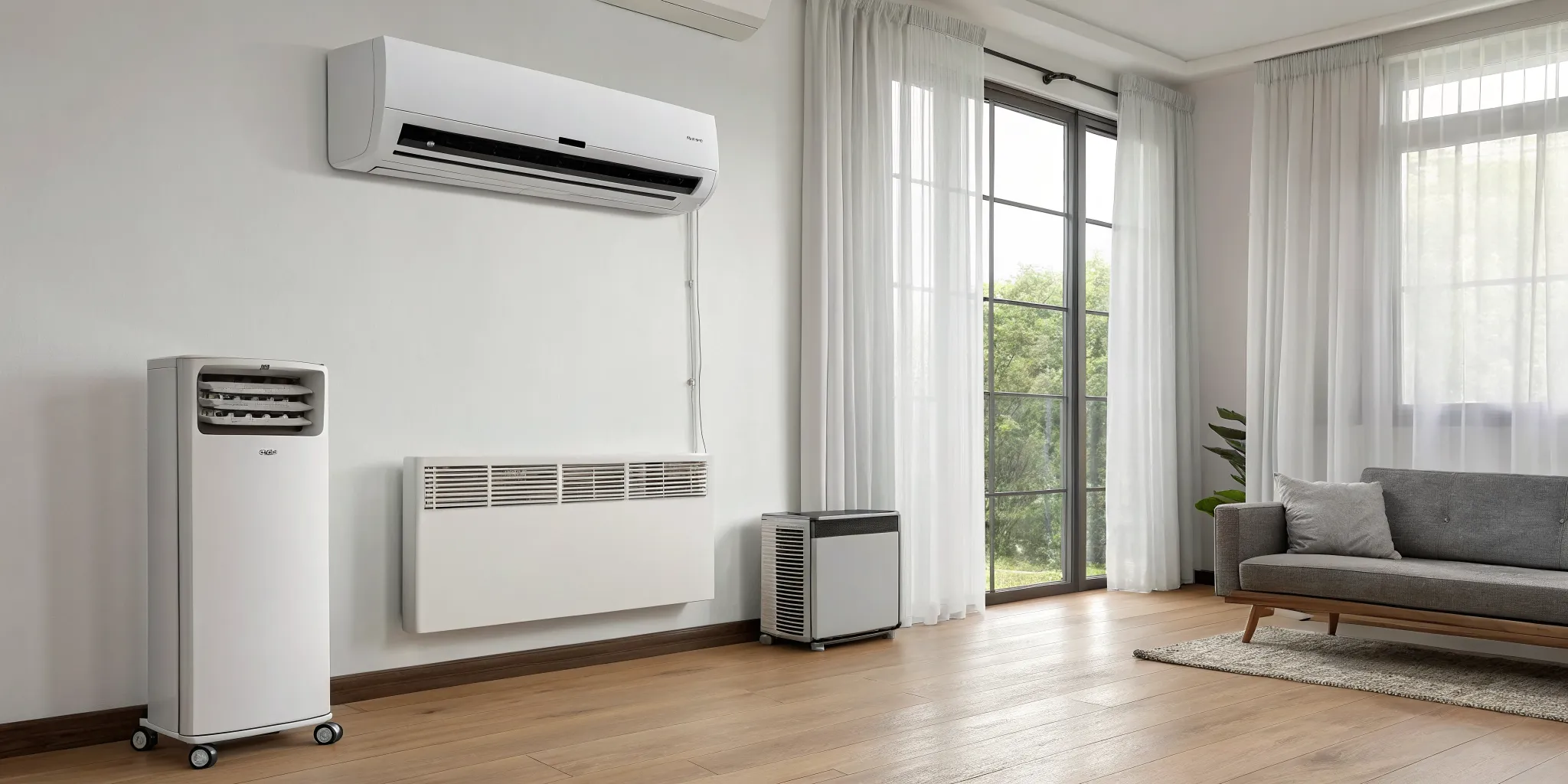
Here’s something the pros know that might surprise you: the quality of your air conditioner installation is even more important than the brand you choose. You can buy a top-of-the-line model, but if it’s not installed correctly, you’ll never get the performance or efficiency you paid for. That’s why finding a trusted, expert installer is the most critical first step. This guide will not only introduce you to the best ac units for home cooling, but it will also explain why professional installation is so vital for your system’s lifespan and your family’s comfort, especially during a hot Chicago summer.
Key Takeaways
- Select the right AC type for your layout: Your home’s design dictates the best system. Central air is great for whole-home cooling with existing ducts, while ductless mini-splits provide efficient, zoned comfort for homes without them, and window units are perfect for single rooms.
- Understand that installation quality is key: The performance of your new AC depends more on the quality of the installation than the brand name. A professional setup ensures your system runs efficiently, lasts longer, and keeps your warranty intact, protecting your investment.
- Focus on correct sizing and efficiency: An AC unit that is too big or too small will waste energy and wear out quickly. Pay attention to the BTU rating for proper sizing, and look for a high SEER rating to ensure you get long-term energy savings and better overall comfort.
Which Type of AC Unit is Right for Your Home?
Choosing a new air conditioner can feel like a huge decision, but it doesn’t have to be overwhelming. The best choice really comes down to your home’s layout, your budget, and your cooling needs. Whether you want to cool your entire house or just a single room, there’s a perfect solution out there. Let’s walk through the most common types of AC units to help you figure out which one is the right fit for you.
Central Air Conditioning
If you’re looking for a seamless way to cool your entire home, central air conditioning is the gold standard. These systems use a network of ducts to distribute cool air evenly from room to room. The most common setup is a “split system,” with an outdoor compressor unit and an indoor coil unit. It’s a fantastic long-term investment that adds significant value to your property.
If you already have ductwork for your heating system, you might be halfway there. However, when installing a new AC, it’s crucial to have a professional check that your existing ducts are properly sized and sealed to handle the airflow. This ensures the system runs efficiently and keeps every corner of your home comfortable.
Ductless Mini-Split Systems
What if your home doesn’t have ductwork? Or maybe you have a new addition, a converted garage, or a sunroom that’s always too hot. Ductless mini-split systems are an incredibly efficient and flexible solution. They consist of an outdoor compressor connected to one or more indoor units mounted on a wall or ceiling. This setup allows you to create different temperature “zones” throughout your house, so you only cool the rooms you’re using.
Because the noisy compressor is outside, mini-splits are known for being exceptionally quiet. They are also among the most energy-efficient cooling options available, which can lead to noticeable savings on your utility bills. Their versatility makes them a popular choice for older homes and targeted cooling needs.
Window AC Units
For cooling a single room or a small apartment, a window air conditioner is a classic and effective choice. These self-contained units fit directly into your window frame and are designed to cool a specific square footage. The best new window ACs are much quieter and more energy-efficient than the clunky models you might remember from the past, offering powerful cooling without a huge spike in your electricity bill.
While they aren’t a whole-home solution, window units are relatively affordable and easy to install, making them perfect for renters or as a supplement to a central system. If you have a home office or bedroom that never seems to get cool enough, a window unit can be a simple and immediate fix.
Portable AC Units
Portable air conditioners offer the most flexibility since they can be rolled from room to room. These floor units are easier to set up than a window AC because they don’t require mounting, but they do need to vent hot air through an included hose that fits into a window. This makes them a good option for rooms where a window unit isn’t practical.
However, it’s important to know their limitations. Portable units often don’t cool as well as window units with the same BTU rating. They also tend to be less energy-efficient and can be noisier. While their convenience is a plus, they are often best used as a last resort when other cooling options won’t work for your space.
What Key Features Should You Look for in an AC Unit?
Shopping for a new air conditioner isn’t just about finding something that blows cold air. Modern AC units come with a variety of features that can seriously impact your home’s comfort, your energy bills, and even your indoor air quality. Getting familiar with these key features will help you choose a system that you’ll be happy with for years to come. Think of it as choosing a long-term partner for your home; you want one that’s efficient, quiet, and reliable. Let’s walk through the most important features to have on your checklist.
Understanding SEER Ratings and Energy Efficiency
When you start comparing AC units, you’ll see the term “SEER” pop up everywhere. SEER stands for Seasonal Energy Efficiency Ratio, and it’s a simple way to measure how efficient an air conditioner is. The higher the SEER rating, the less electricity the unit uses to cool your home, which means lower energy bills for you. While a higher-rated unit might have a bigger price tag upfront, the energy savings can really add up over the life of the system. Discussing the efficiency ratings of different models with a professional ensures you find an option that is both economical and effective for your home.
Variable-Speed and Inverter Technology
Older air conditioners are a bit like a light switch: they’re either completely on or completely off. This can lead to temperature swings and wasted energy. Newer models often feature variable-speed and inverter technology, which is a total game-changer. Instead of running at full blast, these systems can adjust their speed precisely to meet your home’s cooling needs. This results in much more consistent temperatures, quieter operation, and better humidity control. Plus, these highly efficient systems often qualify for local rebates, helping to lower your initial investment while reducing long-term operating costs.
Smart Thermostat Compatibility
Imagine adjusting your home’s temperature from your phone while you’re on your way back from work. That’s the convenience a smart thermostat offers. Most modern AC units are designed to pair seamlessly with smart thermostats, giving you complete control over your home’s climate. You can set schedules, let the thermostat learn your habits to save energy automatically, and manage everything remotely. Pairing your new AC with a smart thermostat is one of the easiest ways to add convenience and intelligence to your home’s cooling system, and it’s a service our team at Brilliant Home Services can help you with.
Noise Levels: Finding a Quiet Unit
No one wants an air conditioner that sounds like a jet engine taking off right outside their bedroom window. The noise level of an AC unit, measured in decibels (dB), is a feature you shouldn’t overlook. A quiet unit makes your indoor and outdoor living spaces much more peaceful. Many of the quietest models on the market use inverter compressors, the same technology that makes them so energy-efficient. This feature allows the unit to run at lower, quieter speeds for longer periods instead of constantly cycling on and off at full power.
Improving Air Quality with Filtration
Your AC system does more than just cool your home; it also plays a big role in your indoor air quality. As air circulates through the system, it passes through a filter that traps dust, pollen, pet dander, and other airborne particles. This is especially important for households with allergy or asthma sufferers. A common myth is that you only need to change your filter once a year, but for your system to run efficiently and keep your air clean, you should check it regularly. A clean filter helps your AC perform its best and ensures you’re breathing healthier air.
What to Know About Warranty Coverage
A good warranty is a sign that a manufacturer stands behind its product. When you’re investing in a new AC unit, the warranty provides crucial peace of mind. Most major brands offer a 10-year parts warranty, but you typically have to register your system online to activate the full coverage. Some brands even offer lifetime warranties on major components like the compressor. Always read the fine print, as most warranties require the unit to be installed by a licensed professional to remain valid. This protects you from issues caused by improper installation and ensures your investment is secure when you schedule service with a trusted expert.
How to Choose the Right Size AC Unit
Picking the right size for your new air conditioner is one of the most important decisions you’ll make. It’s not just about finding a unit that fits your budget; it’s about finding one that fits your home. The right size AC will keep you comfortable, run efficiently, and last for years. A poorly sized unit, however, can lead to high energy bills, uncomfortable humidity, and a shorter system lifespan. It’s a classic Goldilocks situation: you need a unit that’s not too big and not too small, but just right. Let’s walk through what you need to know to find that perfect fit.
What Is a BTU and Why Does It Matter?
When you start looking at AC units, you’ll see the term “BTU” everywhere. BTU stands for British Thermal Unit, and it’s a straightforward way to measure cooling power. Think of it as the unit’s strength. Specifically, it tells you how much heat an air conditioner can remove from a space in one hour. A higher BTU rating means more cooling power. This number is the foundation for properly sizing your unit because it helps you match the AC’s capacity to the specific needs of your home. Getting the BTUs right ensures your system works effectively without wasting energy, making it a critical factor in your decision.
Matching BTUs to Your Room Size
The main goal is to match the AC’s BTUs to the square footage of the area you need to cool. A unit that’s too small will struggle on hot days, running constantly without ever reaching the temperature you set. This constant operation drives up your energy bills and still leaves you feeling warm. While online charts can give you a general idea, a true professional assessment considers more than just square footage. Factors like ceiling height, the number of windows, and how much sun the room gets all play a part. An expert can perform a proper load calculation to find the precise size you need for optimal comfort and efficiency.
Why a Bigger AC Isn’t Always Better
It’s a common myth that a bigger, more powerful AC unit will cool your home better. In reality, an oversized unit can cause more problems than it solves. An AC that’s too large will cool the room very quickly and then shut off. This frequent on-and-off pattern is called “short cycling.” Because the system doesn’t run for long enough, it never gets the chance to properly remove humidity from the air, leaving you with a room that feels cool but unpleasantly damp. This constant starting and stopping also puts a lot of strain on the AC’s components, leading to extra wear and tear and a shorter lifespan. The key is to find a unit that is correctly sized, not oversized.
Top-Rated Central Air Conditioner Brands
When you start shopping for a new central air conditioner, the number of brands can feel a bit overwhelming. It’s easy to get lost comparing features and prices. While choosing a reputable brand is definitely important, here’s a little secret from the pros: the quality of the installation matters even more than the name on the unit. A top-of-the-line AC installed incorrectly will never perform as well as a mid-range unit installed perfectly. That’s why finding a trusted installer is your most important first step.
That said, certain brands have earned a reputation for a reason. They consistently deliver on reliability, efficiency, and overall performance. At Brilliant Home Services, we have years of experience working with the industry’s best. We can help you find the right fit for your home’s unique needs and your budget. We’ll walk you through the options from trusted names like Trane, Carrier, Lennox, and American Standard, ensuring you get a system that provides cool comfort for years to come. Our team handles all aspects of HVAC services, from selection to final installation.
Brilliant Home Services (Your Chicagoland Installation Experts)
Before we get into specific AC unit brands, let’s talk about the most important partner in this process: your installation team. As a family-owned and operated business serving Chicagoland since 1956, we’ve seen it all. We know that a perfect installation is the key to an efficient, long-lasting air conditioner. Our licensed and insured technicians provide tailored solutions, making sure your new system is sized correctly and installed flawlessly for optimal performance. We’re not just installers; we’re your neighbors, dedicated to providing honest advice and expert service. When you’re ready to discuss your options, you can schedule service with a team that puts your satisfaction first.
Trane
If you’re looking for a true workhorse, Trane is a brand that consistently comes up. It’s famous for its durability and reliability, with the slogan, “It’s hard to stop a Trane.” Homeowners often choose Trane when their top priority is a long-lasting system that can handle demanding Chicago summers without a fuss. Many of their models feature high SEER ratings, which translates to excellent energy efficiency and lower monthly utility bills. Investing in a Trane system often means peace of mind, knowing you have a robust and dependable unit keeping your home cool.
Carrier
Carrier is a giant in the HVAC world, known for its innovation and high-performance systems. If you love having the latest technology, this brand is definitely one to consider. Carrier offers a wide range of air conditioners, including many models with smart features that allow for precise temperature control and remote management via your phone. They are also a leader in energy efficiency, so you can enjoy advanced comfort without worrying about excessive energy use. For many homeowners, Carrier represents a perfect blend of cutting-edge tech and reliable cooling performance.
Lennox
For those who prioritize a quiet home environment and top-tier energy efficiency, Lennox is an outstanding choice. This brand is an industry leader in creating some of the most efficient and quietest central air conditioners on the market. A high-efficiency Lennox unit can significantly reduce your energy costs over its lifetime, making it a smart long-term investment. Their quiet operation is a huge plus, especially if your outdoor unit is located near a bedroom window or patio. Lennox is often considered a premium brand that delivers exceptional comfort and performance.
American Standard
American Standard has built a strong reputation for reliability and solid, consistent performance. It’s often seen as a sister brand to Trane, sharing a commitment to quality and durability. Homeowners appreciate American Standard for offering a great balance between upfront cost and long-term efficiency, making it a fantastic value. If you’re looking for a dependable, no-nonsense air conditioner that gets the job done without all the extra bells and whistles, this brand is an excellent option. It’s a go-to choice for those who want reliable cooling they can count on year after year.
Top-Rated Ductless Mini-Split Systems
Ductless mini-split systems are a fantastic solution if you want to cool specific areas of your home without the need for extensive ductwork. They are incredibly flexible, making them perfect for older homes, new additions, or just rooms that never seem to get cool enough. Each system has an outdoor compressor and one or more indoor air-handling units, giving you precise temperature control right where you need it. This zoned approach means you can stop paying to cool rooms you aren’t even using.
Many homeowners in the Chicagoland area are choosing ductless systems for their efficiency and quiet operation. When you’re ready to explore your options, it helps to know which brands lead the pack. We’ve installed countless air conditioning systems and have seen firsthand which ones deliver consistent comfort and reliability. Here are a few of the top-rated brands that we frequently recommend to our clients.
Mitsubishi
If you live in an older home that wasn’t built with ductwork, a Mitsubishi ductless system is an excellent choice. These units are designed to provide powerful, efficient cooling without requiring a major renovation. They are also perfect for new home additions or converted spaces like garages and attics. One of their best features is the ability to create different temperature zones, so you can cool the living room during the day and the bedrooms at night, all independently. Many Mitsubishi models are also among the most energy-efficient systems available, helping you save on your utility bills while keeping your family comfortable.
Fujitsu
For anyone who values peace and quiet, Fujitsu is a brand worth considering. Their ductless mini-split systems are engineered to be exceptionally quiet because the noisy component, the compressor, is located outside your home. Inside, the air handler operates at a whisper. Unlike bulky window units, these sleek indoor units are typically mounted high on a wall, so they won’t block your view or create a security risk. This allows you to enjoy natural light and fresh air whenever you want without sacrificing comfort. When you need a cooling solution that is both effective and discreet, a Fujitsu system is a great fit.
Daikin
Daikin has a strong reputation for its advanced technology and reliable performance. This brand is known for its high-efficiency inverter technology, which allows the system to adjust its speed continuously. This means it uses less energy, maintains a more consistent temperature, and operates very quietly. Daikin stands behind its products with some of the strongest warranties in the industry, giving you extra peace of mind with your investment. Their compact and modern designs fit well with any home decor, providing powerful cooling without being an eyesore. If you’re looking for a cutting-edge, dependable system, Daikin is a top contender.
LG
LG is another excellent brand that combines smart technology with energy-efficient performance. Their ductless mini-split systems are designed for modern homes, often including features like Wi-Fi control through a smartphone app. This lets you adjust the temperature from anywhere, whether you’re on the couch or on your way home from work. LG units are known for their efficiency, which helps keep your energy costs down throughout the hot summer months. Plus, their systems are designed for straightforward installation, which means our team at Brilliant Home Services can get your new AC up and running with minimal disruption to your home.
Top-Rated Window AC Units
If a central air system isn’t the right fit for your home, or if you just need to cool a specific area like a bedroom or home office, a window AC unit is a fantastic solution. They are relatively affordable, easy to install, and perfect for homes without existing ductwork. Modern window units have come a long way from the loud, clunky boxes you might remember. Today’s best models are quiet, energy-efficient, and packed with smart features that give you more control over your comfort.
When you’re shopping for a window unit, you’ll want to look for a few key things: a high energy efficiency rating to keep your electricity bills down, quiet operation so it doesn’t disrupt your sleep or work, and the right cooling power (measured in BTUs) for your room size. Some of the top-rated units even include advanced features like inverter technology for consistent temperatures and Wi-Fi connectivity for remote control. To help you get started, we’ve highlighted a few models that consistently earn top marks from homeowners and experts alike.
Midea U Inverter
The Midea U Inverter is a game-changer in the world of window air conditioners. What makes it so special is its unique U-shaped design. This clever engineering allows you to still open and close your window, which is a feature you won’t find in most other units. Beyond that convenience, this model is recognized as one of the best for its incredibly quiet performance and excellent energy efficiency. It uses an inverter compressor, which helps it maintain a steady temperature without the constant on-and-off cycling of older models. This not only saves you money on energy bills but also makes it one of the quietest units you can buy, making it perfect for a bedroom.
LG Dual Inverter
If quiet operation is your absolute top priority, the LG Dual Inverter series is tough to beat. These units are highly rated for their whisper-quiet operation, making them an ideal choice for light sleepers or anyone who works from home. The Dual Inverter technology also delivers serious energy savings, so you can stay cool without worrying about a huge spike in your utility costs. Many LG models are also smart units, meaning they come with Wi-Fi connectivity. You can control the temperature, fan speed, and schedule from an app on your phone, giving you total control over your comfort whether you’re at home or on your way back.
Frigidaire
For those concerned about indoor air quality, especially in a city environment, some Frigidaire models offer more than just cooling. The Frigidaire Gallery, for example, stands out for its ability to improve air quality thanks to a built-in air quality monitor that gives you real-time feedback on the air in your room. It’s also an efficient and quiet cooler, but its standout feature is that with a special filter, it can double as an air purifier. This is a huge plus for anyone with allergies or sensitivities to airborne particles. It’s a great two-in-one solution that helps you create a healthier and more comfortable indoor environment.
Top-Rated Portable AC Units
Portable AC units are the ultimate flexible cooling solution. If you’re a renter, need to cool a specific room without a suitable window, or want to supplement your home’s main AC system, a portable unit is a fantastic choice. They are self-contained systems on wheels that you can move from room to room as needed. All they require is a nearby power outlet and a window to vent the hot air through an included hose and window kit. This makes setup relatively simple and requires no permanent installation, which is a huge plus for many people.
While they offer unmatched convenience, it’s good to know that portable units are typically less efficient than window or mini-split systems, especially single-hose models. They work hard to cool a room while also creating negative pressure that can pull warm air in from other parts of the house. That’s why many of the best-performing models use a dual-hose system for improved efficiency. If you’re looking for a powerful and convenient way to beat the heat in a specific area, here are a few of the most highly-rated portable AC units that consistently get great reviews.
Whynter ARC-14S
The Whynter ARC-14S is a powerhouse in the portable AC world, frequently praised for its impressive cooling ability. Its dual-hose system is a game-changer for efficiency, allowing it to cool spaces up to 500 square feet much faster than single-hose competitors. With 14,000 BTUs of power, it can handle hot summer days with ease. It also functions as a dehumidifier and a fan, giving you three appliances in one. A great feature is its self-evaporating technology, which reduces the need to empty a water tray constantly. Despite its power, it operates at a reasonable noise level, making it a solid choice for living rooms or home offices.
LG LP1419IVSM
If you love smart home technology and energy efficiency, the LG LP1419IVSM is an excellent pick. This model features a dual inverter compressor, which adjusts its speed to maintain your desired temperature without constantly shutting on and off. This makes it incredibly energy-efficient and whisper-quiet, perfect for a bedroom. It’s designed to cool rooms up to 500 square feet and comes with Wi-Fi connectivity. You can control the unit from anywhere using LG’s smartphone app, so you can start cooling your room on your way home from work. Its sleek, modern design also helps it blend into your home decor better than many other bulky portable units.
Black+Decker
For reliable cooling that won’t break the bank, the Black+Decker portable air conditioner is a popular and affordable choice. It provides solid performance for smaller spaces, effectively cooling rooms around 350 square feet with its 14,000 BTU model. While it may not have the smart features or dual-inverter technology of premium units, it delivers on its main promise: keeping you cool. The setup is straightforward, and it includes a simple remote for easy operation from your couch or bed. For anyone needing a no-fuss, budget-friendly solution for a bedroom, guest room, or small apartment, this unit is a dependable workhorse that gets the job done.
How Much Does a New AC Unit Cost?
Figuring out the budget for a new air conditioner can feel like a moving target. The final price depends on the type of system you choose, its energy efficiency, the size of your home, and the complexity of the installation. While it’s a significant investment, choosing the right unit can lead to years of comfort and even savings on your monthly energy bills. Let’s break down the typical costs you can expect for different types of AC systems so you can plan accordingly. Remember, these are general estimates, and the best way to get an accurate number for your home is to get a personalized quote.
Central AC System Costs
A central air conditioning system is a whole-home solution, and its price reflects that. For a standard system, you can expect the total cost, including professional installation, to be between $3,000 and $12,000. A major factor influencing this range is the unit’s SEER2 (Seasonal Energy Efficiency Ratio 2) rating. A higher SEER2 rating means better efficiency, which can lower your energy bills over the long run, but it often comes with a higher upfront cost. The size of your home also plays a crucial role, as a larger space requires a more powerful (and more expensive) unit to cool it effectively.
Ductless Mini-Split Costs
If your home doesn’t have existing ductwork or you want to cool specific zones, a ductless mini-split is a great option. These systems tend to be more expensive than window units because they require professional installation. This involves mounting an indoor unit on the wall and connecting it to an outdoor compressor, which requires drilling a small hole through the wall. While the initial investment is higher, their efficiency and ability to provide targeted cooling can make them a smart financial choice over time.
Window and Portable Unit Costs
For cooling a single room or a small apartment, window and portable AC units are the most budget-friendly choices. You can find a high-quality smart window unit for between $500 and $800. Portable units fall into a similar price range. While their upfront cost is much lower than a central or ductless system, they are also less powerful and less efficient. They are a great solution for renters or for supplementing an existing system, but they generally aren’t practical for cooling an entire house.
Factoring in Installation Costs
When you’re looking at AC units, don’t forget to account for the cost of installation. For central air systems, installation is a major part of the total price, often bringing the average homeowner’s cost to around $6,500 for a standard replacement. This isn’t a DIY job; proper installation requires technical expertise to ensure the system runs efficiently and safely. The complexity of the job, like needing new ductwork or electrical updates, can also affect the final price. To get a clear picture of what your installation will involve, it’s always best to schedule a consultation with a licensed professional.
How to Save with Local Rebates and Incentives
Everyone loves to save some money, and you might be able to lower the cost of your new AC unit with a little research. Many utility companies and local governments offer rebates or incentives for purchasing high-efficiency models. These programs are designed to encourage homeowners to choose energy-saving appliances. Before you buy, take a moment to check for available savings in your area. A great place to start is the Energy Star Rebate Finder, which lets you search for deals by zip code and can help make your new system more affordable.
Common AC Myths That Cost You Money
When it comes to air conditioning, what you don’t know can definitely cost you. We’ve all heard bits of advice from neighbors or family, but some of the most common beliefs about AC units are actually myths that lead to higher energy bills and unnecessary wear and tear on your system. Let’s clear the air and bust a few of these expensive myths so you can keep your home comfortable and your wallet happy.
Myth: Turning the Thermostat Way Down Cools Faster
It’s a scorching summer day in Chicago, and you walk into a stuffy house. Your first instinct might be to crank the thermostat down to 60 degrees, thinking it will cool the space faster. Unfortunately, that’s not how air conditioners work. Your AC unit cools at a steady, consistent pace, regardless of whether you set it to 72 or 62. Setting it extra low just tells the system to run for a longer period until it reaches that frigid temperature, wasting a significant amount of energy in the process. A better strategy is to set the thermostat to your actual desired temperature and let it do its job efficiently.
Myth: The Brand Matters More Than the Installation
While choosing a reputable brand is a good start, the quality of the installation is far more critical to your AC’s performance and longevity. You can buy the most expensive, top-of-the-line unit on the market, but if it’s installed incorrectly, you’ll face problems like poor efficiency, frequent breakdowns, and a shorter lifespan. A proper AC installation ensures that the unit is sized correctly for your home, the ductwork is sealed, and the refrigerant levels are perfect. Always prioritize hiring a qualified, licensed professional over focusing only on the brand name on the box.
Myth: New Units Always Last as Long as Old Ones
You might hear stories about air conditioners from the 80s that are still running strong, leading you to believe new models are built to fail. While older units were certainly built like tanks, modern ACs are designed with a different priority: energy efficiency. To achieve today’s high SEER ratings, manufacturers often use thinner, lighter materials. As a result, most new home AC units have a typical lifespan of about 10 to 15 years. This isn’t necessarily a bad thing, as they use far less electricity, but it does mean you can’t expect them to last for 30 years like their predecessors.
Myth: You Can Skip Maintenance if It Seems to Be Running Fine
Thinking you can skip professional maintenance because your AC seems to be working is one of the costliest mistakes a homeowner can make. An air conditioner can appear to run fine while secretly losing efficiency and developing problems. For example, a dirty filter or clogged coil can force the system to work much harder, driving up your energy bills. Regular tune-ups allow a technician to clean critical components, check refrigerant levels, and catch small issues before they become major, expensive repairs.
Is Professional AC Installation Really Worth It?
It can be tempting to save a few dollars by hiring a handyman or attempting a DIY installation for your new air conditioner. But when it comes to a major home system, the installation is just as critical as the brand you choose. A professional installation isn’t just about connecting wires and ducts; it’s about ensuring your system runs efficiently, effectively, and safely for its entire expected lifespan.
Cutting corners on installation can lead to higher energy bills, poor performance, and premature system failure, wiping out any initial savings. Think of it as an investment in your home’s comfort and the longevity of your new equipment. A job done right from the start prevents a lot of headaches and expensive repairs down the road.
How Proper Installation Affects Performance and Lifespan
Even the highest-rated AC unit will struggle if it’s not installed correctly. One of the biggest mistakes is improper sizing. A system that’s too large will cool your space too quickly, shutting off before it has a chance to remove humidity, leaving your home feeling cool but clammy. This rapid on-and-off process, known as short cycling, also puts excessive wear and tear on the compressor, the heart of your AC unit.
This constant stress can drastically shorten your system’s lifespan. Conversely, an undersized unit will run constantly without ever reaching the set temperature, driving up your energy bills. Proper AC installation ensures your system is perfectly matched to your home’s needs for optimal comfort and efficiency.
What to Look for in a Licensed AC Installer
When you’re ready to hire a professional, look for a licensed and insured contractor. A true expert won’t just guess the right size unit for your home; they will perform a detailed assessment to determine the exact cooling needs of your space. This includes considering factors like your home’s square footage, insulation levels, window placement, and local climate.
A qualified technician ensures the system is balanced to circulate air correctly throughout your home, providing consistent comfort in every room. By consulting an AC contractor, you can be confident that your new system is the perfect match for your home. This professional touch is the key to getting the performance, efficiency, and long-term reliability you paid for.
Frequently Asked Questions
What’s the single most important thing to consider when buying a new AC? While choosing a reliable brand is a great start, the quality of the installation is what truly determines your new AC’s performance and lifespan. A top-of-the-line unit will never run efficiently or last as long as it should if it’s installed incorrectly. Your first and most important step should be finding a licensed, experienced professional who can ensure your system is set up perfectly from day one.
How do I figure out what size AC unit I need for my room or home? The cooling power of an AC unit is measured in BTUs, and matching this to your space is critical. While you can find online charts that give you a general estimate based on square footage, a true professional calculation is much more accurate. An expert will consider factors like your ceiling height, the number and type of windows you have, insulation levels, and how much sun your home gets to determine the perfect size for maximum comfort and efficiency.
My house is old and doesn’t have ductwork. What’s the best way to cool it? You have some great options. For a whole-home solution without the major renovation of adding ducts, a ductless mini-split system is ideal. These systems are incredibly efficient and allow you to create different temperature zones in your house. If you only need to cool one or two specific rooms, a modern window AC unit is an effective and more affordable choice that is much quieter and more efficient than older models.
Is it worth paying more for a high-efficiency AC unit with a high SEER rating? Yes, in most cases, it’s a very smart investment. The SEER rating measures how much energy an AC unit uses to cool your home. A unit with a higher SEER rating will have a higher upfront price, but it will use significantly less electricity. Over the lifespan of the system, the money you save on your monthly energy bills can more than make up for the initial cost.
My AC seems to be working fine. Do I really need to schedule annual maintenance? Absolutely. Just because your AC is turning on and blowing cold air doesn’t mean it’s running efficiently or that a problem isn’t developing. Think of it like getting an oil change for your car; it’s preventative care. During a tune-up, a technician cleans critical parts, checks for refrigerant leaks, and catches small issues before they turn into expensive emergency repairs, which ultimately saves you money and extends the life of your system.
Ready to Get Started?
Contact Brilliant Home Services for professional, reliable service in Chicagoland. We are available 24/7 for emergencies.