Transfer switch installation Barrington IL: Manual vs Auto
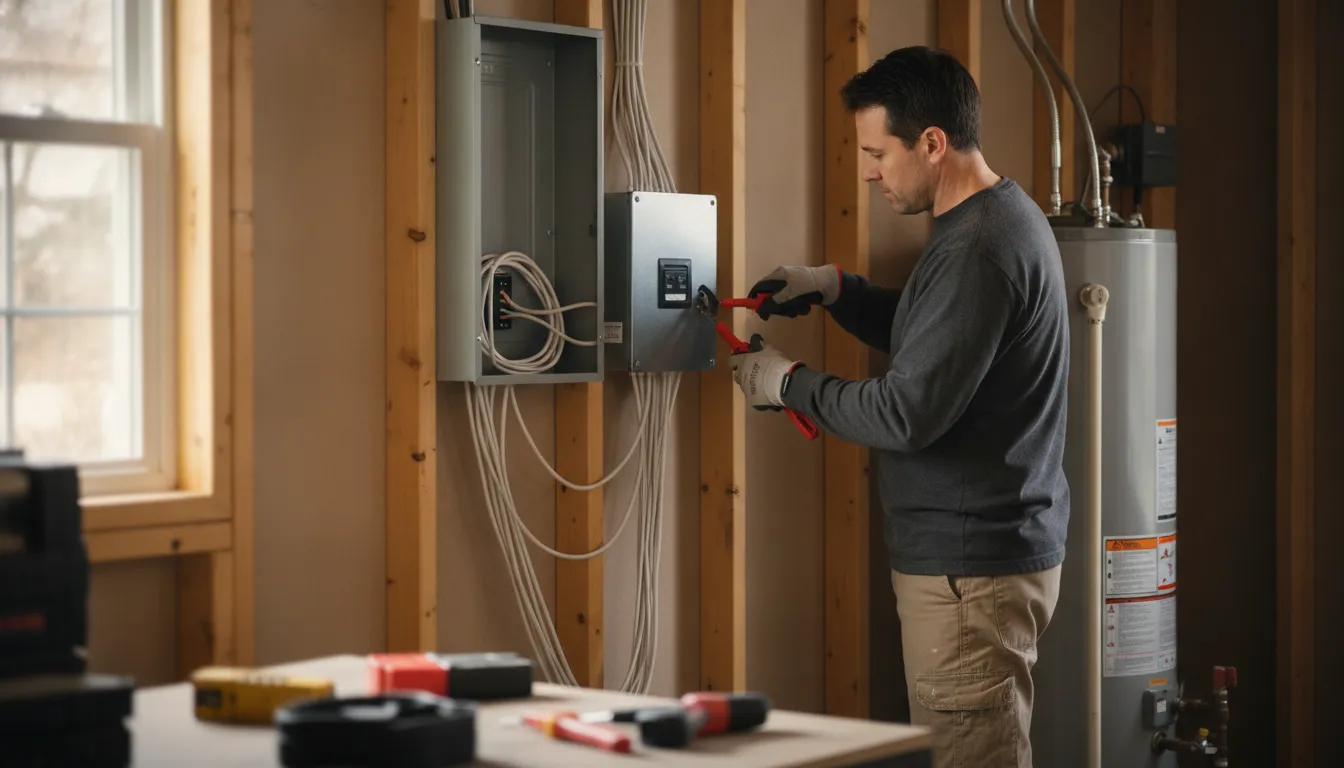
A backup generator is only useful when its power can reach the circuits you need safely. OSHA says a qualified electrician must install a transfer switch before connecting a generator to building wiring. Without proper separation, generator power can flow back onto utility lines.
Before booking transfer switch installation Barrington IL. Decide which home circuits you want to keep powered and whether you want to operate the switch or have power transfer automatically. The right setup depends on your generator, electrical panel, selected loads, and installation plan. A local evaluation can clarify your options and the Village's applicable permit steps.
Brilliant Home Services is based in Barrington and serves homeowners across Chicagoland. Its guide to home generator installation across Chicagoland offers broader planning context. First, understand the role the transfer switch plays, then compare manual and automatic operation for your household.
What Does a Transfer Switch Do for a Home Generator?
A transfer switch connects a home's chosen electrical loads to either utility power or generator power, while keeping those sources separated. When utility service is interrupted, the switch changes selected circuits to generator supply. When utility service returns, it allows the system to return to utility power. This controlled changeover helps prevent both sources from energizing the same wiring at once.
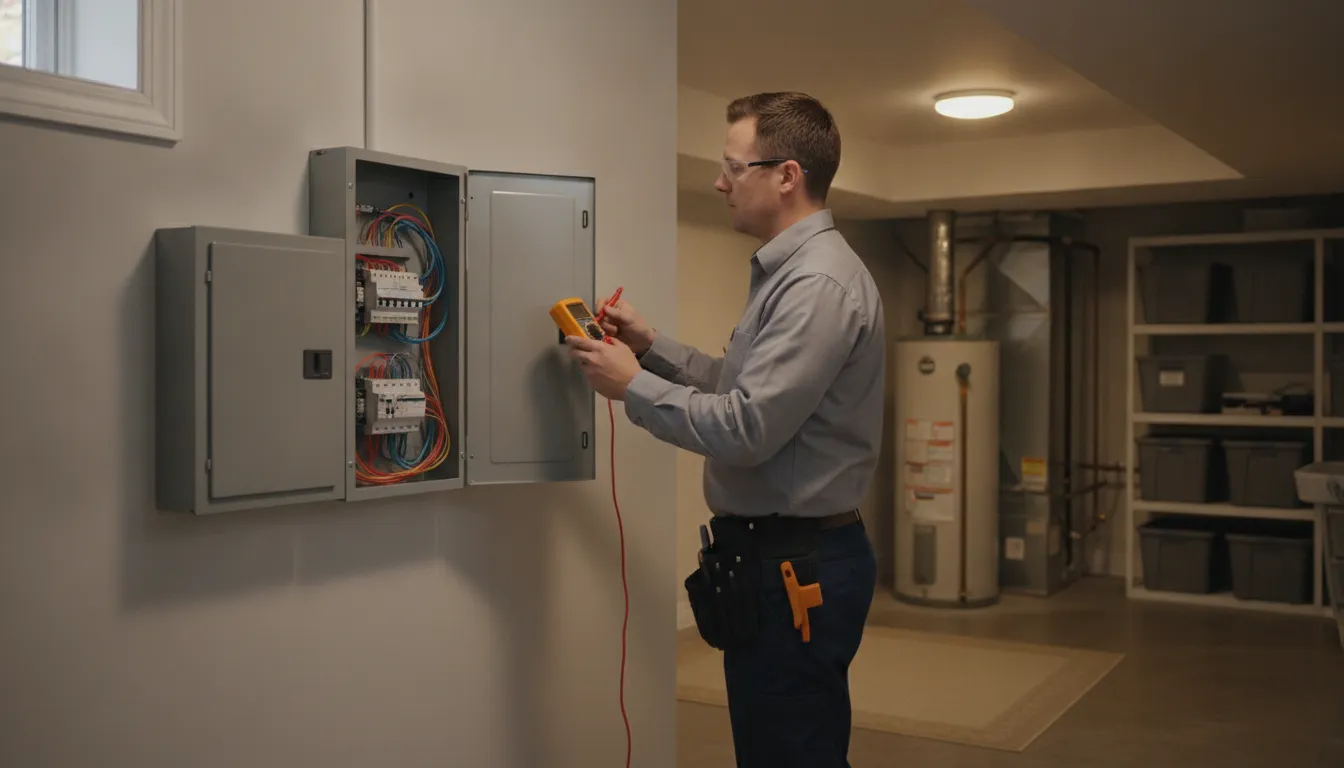
The switch may serve selected circuits rather than every electrical load in the home. Which circuits can be supported depends on the generator, electrical panel, and system design. Planning those loads helps set realistic expectations for what will remain available during an outage.
Most importantly, a properly installed transfer switch isolates the home's wiring from the utility supply while generator power is in use. Without that separation, generator electricity can flow backward onto utility lines, a hazard called backfeed. OSHA warns against connecting a generator directly to building wiring without a properly installed transfer switch. Backfeed can put utility workers and nearby people at risk of electrocution (OSHA generator safety guidance). The Electrical Safety Foundation International also explains that transfer switches help prevent backfeed (ESFI generator safety guidance).
A transfer switch is not a do-it-yourself connection point. Have a qualified electrician assess the generator and home's electrical setup, then install and verify equipment suited to that system.
Manual vs. Automatic Transfer Switch: Which Fits Your Home?
The difference is when the switch changes the home's connection from utility power to generator power. A manual transfer switch requires someone to start or connect the generator as designed and operate the switch. An automatic transfer switch detects a utility interruption and changes the connection according to the system's configuration, reducing the steps a homeowner takes during an outage.
| Consideration | Manual transfer switch | Automatic transfer switch |
|---|---|---|
| Activation | A homeowner follows the equipment's operating procedure to start or connect the generator and select generator power. | The system detects a loss of utility power and transfers according to its design; compatible standby-generator equipment is part of the setup. |
| Homeowner involvement | Requires being present and able to follow the startup and switching steps during an outage. | Can handle the transfer without the homeowner manually switching sources, though the equipment still needs proper operation and maintenance. |
| Typical planning fit | May suit a plan focused on chosen circuits and a homeowner comfortable managing the changeover. | May suit a standby setup intended to respond automatically, with the loads and generator coordinated as a system. |
| Design checks | An electrician should assess generator compatibility, the circuits or loads to be served, the panel and service configuration, and safe isolation from utility power. OSHA cautions against connecting a generator directly to building wiring without a properly installed transfer switch: OSHA generator safety guidance. | |
Neither approach is automatically the right choice for every property. Start by deciding which equipment matters during an outage and how much hands-on operation is practical for your household. Then have a qualified electrician check that the proposed switch, generator, selected loads, and existing electrical service work together. The installation plan should reflect the actual home, not just the switch type.
How to Plan Transfer Switch Installation in Barrington IL
A good installation plan starts with the home, not a switch model. An electrician can review the service panel, available space, wiring configuration, and the circuits you want to keep running during an outage. That load discussion helps align the transfer equipment with both the generator's capacity and the way your household expects to use backup power.
Bring the generator make and model, if you already have one, and explain whether you are planning a portable unit or a standby system. Compatibility depends on the equipment and installation design; a switch is not automatically suitable for every generator. Brilliant Home Services can assess how your generator and home's electrical service should work together. Share the generator make and model, if known, so the electrician can consider compatibility with your planned loads. Learn more about EV charger and home generator installation across Chicagoland.
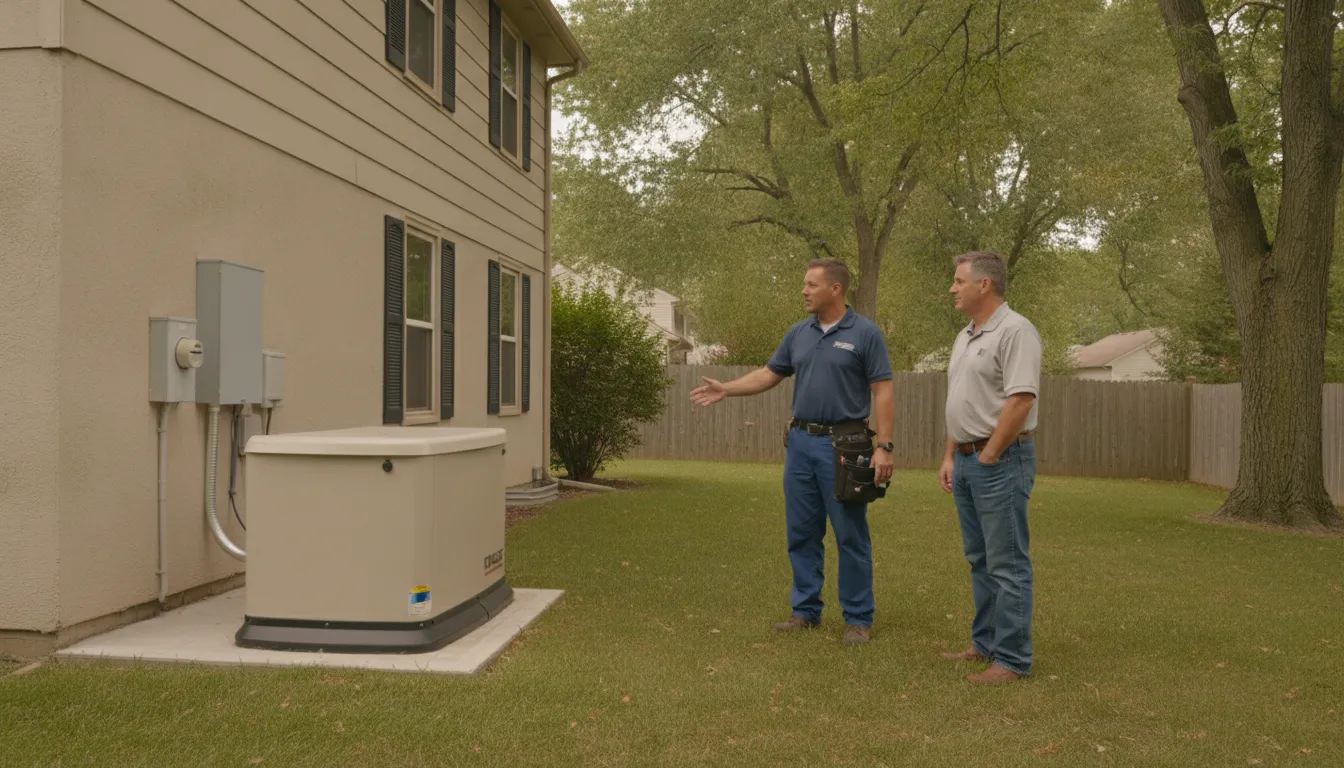
The site visit should also clarify the service configuration and any panel changes that may be needed. Share details about planned renovations, major electrical equipment, or more than one unit served by the electrical system. These details can affect the proposed layout and which loads are practical to include. The Village of Barrington provides an online process for permit applications and contractor registration. The exact requirements for a particular project should be confirmed with the Village and the installing electrician. See Brilliant's electrical installation and panel services to review its broader electrical work.
Before work is scheduled, coordinate the equipment selection, installation scope, permit documents, and inspection responsibilities with the contractor. A clear plan helps ensure the switch, generator, panel, and selected circuits are considered as one system rather than separate purchases.
What Affects Transfer Switch Installation Cost?
A transfer switch quote reflects the equipment and electrical work needed to connect backup power safely to your home. The exact design depends on your generator, electrical service, and the circuits you want available during an outage. So a site assessment is more useful than a one-size-fits-all estimate.
Key factors include:
- Switch type and capacity: Manual and automatic switches operate differently, and the selected equipment must suit the planned backup arrangement.
- Panel and service condition: The electrician needs to assess the existing panel, available space, and service configuration. Repairs or changes needed to support the installation can affect the scope.
- Circuits selected: Backing up a defined group of essential circuits differs from planning for broader coverage. The circuit list must work with the generator's available output.
- Generator compatibility: The switch and installation design must be appropriate for the generator model and its electrical characteristics.
- Wiring route and location: Distance between the switch, panel, generator connection, and equipment locations can change the materials and labor involved.
- Permit and inspection needs: Required application documents, review, and inspection are part of planning the job. Confirm the requirements for your property with Barrington before work begins.
A clear quote should identify the proposed switch, which circuits it will serve, any panel or wiring work included, and the permit and inspection scope. Ask questions about exclusions or assumptions before approving the work. For related electrical installation and panel services, Brilliant Home Services can assess the home's existing setup and discuss the appropriate next steps.
What Permits and Code Checks Apply in Barrington?
Permit requirements depend on the property and the exact scope of the electrical work. So confirm what applies to your address with the Village of Barrington or the authority having jurisdiction (AHJ) before installation. The Village's permits and inspections page describes an online process for submitting applications, supporting documents, and payments.
Barrington says contractors and subcontractors associated with a permit application must register with the Village. The permit cannot be issued until registration is complete. Once required information and documentation are submitted, the application is routed for plan review. Reviewers may request clarification or additional information, so allow time to respond rather than assuming the first submission is final.
After payment is received, the approved permit is issued online. The Village instructs applicants to print the approved permit documents and placard and keep them available at the job site before work begins. The placard must be displayed visibly, and approved plans must be available for inspection. Barrington says inspections need to be scheduled at least 24 hours ahead, so coordinate the appointment with the contractor and keep the approved plans on site.
The Village's Development Services FAQ currently states that Barrington has adopted the 2017 National Electrical Code. Code editions and local requirements can change, and that FAQ statement alone does not establish which rules apply to a particular transfer switch project. Verify the current electrical code, permit scope, documents, and inspection requirements for your address with the Village or AHJ before work is scheduled.
For questions about the Village's permitting process, contact Barrington Development Services at (847) 304-3460. This is the Village department's number, not a contractor service line.
How Long Does Installation Take, and What Can Delay It?
There is no reliable one-size-fits-all timeline. Before work can be planned, an electrician needs to assess the electrical panel, the generator and transfer-switch compatibility, and the circuits you want to back up. Equipment availability and any changes needed to make the equipment fit the home's electrical setup can also affect the schedule.
Permit review is another variable. The Village of Barrington permit process routes applications for plan review after required information and documentation are submitted. Reviewers may request additional information, and contractors associated with a permit must complete Village registration before the permit is issued. Missing documents or registration can therefore hold up the start of permitted work.
After installation, inspection scheduling is a separate step. Barrington requires at least 24 hours' notice for inspections. Approved permit plans must be available onsite. This notice rule is not a promise that an inspection or the whole project will finish within a set period. Ask the electrician to explain the steps for your property, from assessment and equipment confirmation to permit review, installation, and inspection.
Frequently Asked Questions
Do I need an electrician to install a generator transfer switch?
Yes. A qualified electrician should install and connect the transfer switch to the home's electrical system. The switch must keep generator power isolated from utility wiring when the generator is in use. OSHA warns against connecting a generator directly to a building electrical system unless a qualified electrician has properly installed a transfer switch. Backfeed can create an electrocution hazard. OSHA generator safety guidance explains this risk.
How do I choose between a manual and automatic transfer switch?
Choose based on how you expect to use backup power, which circuits you want to operate, and what generator and electrical panel you have. A manual switch requires someone to start the generator and operate the switch; an automatic system transfers power when its controls detect an outage. An electrician can check the generator's compatibility, panel configuration, and intended loads before recommending a setup. Neither option is right for every home.
What affects the cost of transfer switch installation?
The estimate depends on equipment and generator compatibility, the number and type of circuits involved. The condition and capacity of the electrical panel, wiring access, and any related electrical work. Permit or plan-review requirements can also affect project scope. A site assessment is the practical way to determine what your home needs; online estimates may not account for those details.
How can I verify permit requirements for a Barrington installation?
Check with the Village of Barrington Development Services about the requirements for your specific property and scope of work. The Village provides an online portal for permit applications and contractor registration, and notes that permit-associated contractors must register before a permit is issued. Confirm current requirements with the Village rather than assuming another town's rules apply.
Schedule Service Now for Your Generator Transfer Switch
Discuss your generator, electrical panel, and transfer-switch needs for your Barrington home. Schedule Service Now with Brilliant Home Services. Share the generator make and model, if known, and ask about manual or automatic operation.
Ready to Get Started?
Contact Brilliant Home Services for professional, reliable service in Chicagoland. We are available 24/7 for emergencies.