Light Fixture Installation Cost: A Complete Guide
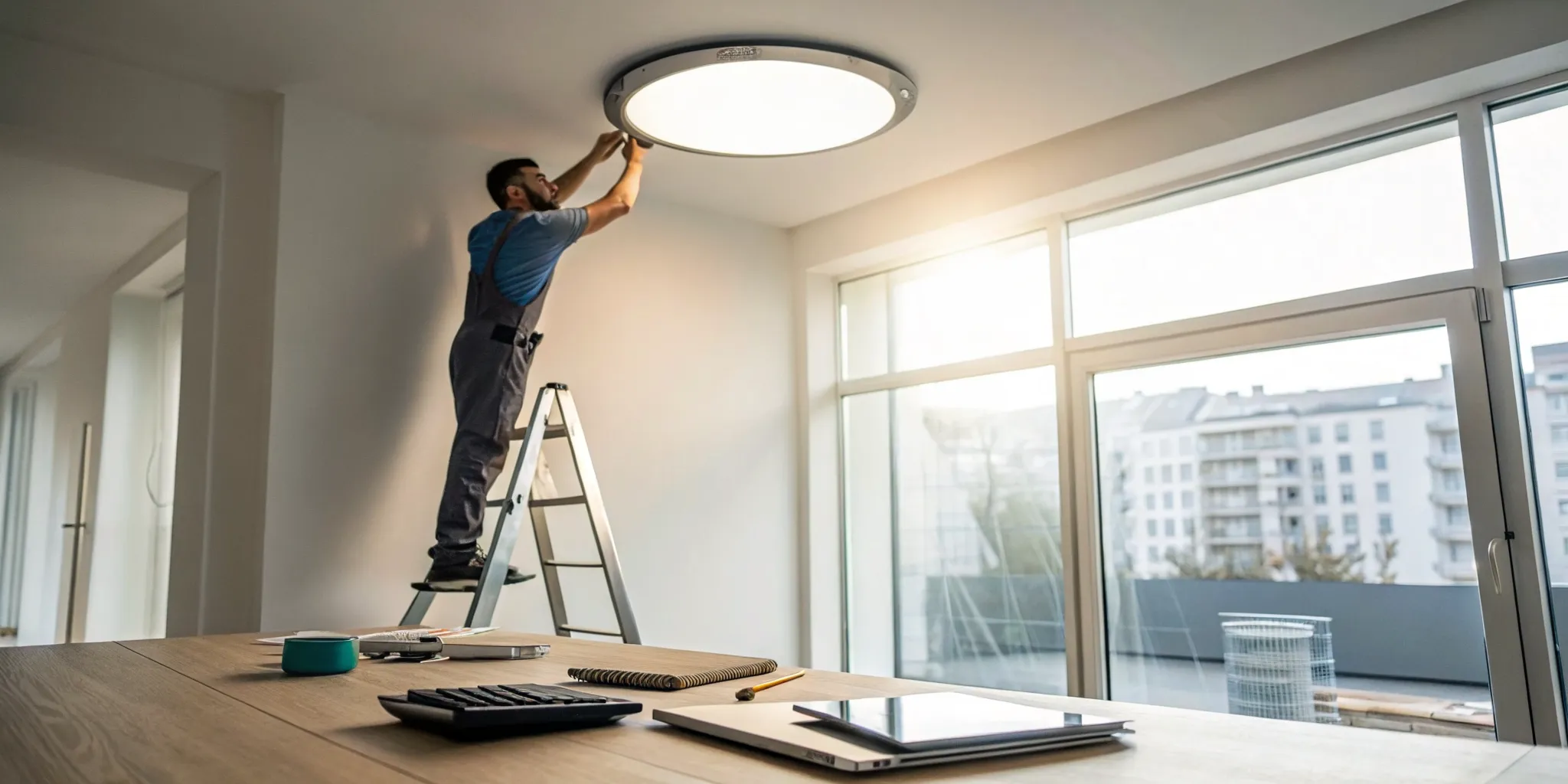
Figuring out the total price for a lighting project can feel a bit like asking, "How much does a bag of groceries cost?" The answer always depends on what you put in your cart. The final light fixture installation cost is no different. It varies based on the type of light you choose, the height of your ceiling, and the current state of your home’s wiring. A simple swap of a bedroom ceiling light will be far less than installing a heavy chandelier in a two-story foyer that needs new support and wiring. This guide will break down those variables, helping you understand the costs so you can budget effectively for your project.
Key Takeaways
- Budget for More Than Just the Fixture: Your total cost is shaped by the fixture's type, weight, and location. A heavy chandelier on a high ceiling will cost more to install than a simple flush-mount light because it requires more labor and potentially extra support.
- Your Home's Wiring is a Key Factor: The condition of the electrical system behind your walls can significantly impact the price. Older homes may need wiring updates to safely support new lights, a necessary step a licensed electrician will identify to ensure everything is up to code.
- Plan Smart to Manage Costs: Hiring a professional is the safest choice, and you can make it more affordable. Schedule multiple installations for a single visit to save on service fees, and always ask for clear, upfront pricing to avoid any budget surprises.
How Much Does Light Fixture Installation Cost?
Figuring out the cost of light fixture installation can feel a bit like asking, "How much does a bag of groceries cost?" The answer is: it depends on what you put in your cart. The final price tag for your lighting project will vary based on the type of fixture you choose, the complexity of the installation, and your home's existing electrical setup. A simple swap of a bedroom ceiling light will cost much less than installing a heavy chandelier in a two-story foyer that needs new wiring.
Think of these prices as a general guide to help you budget. The cost to install a new light fixture can be as low as $75 for a basic replacement or as high as $2,000 or more for a complex, high-end installation. These estimates typically cover the labor involved in the installation. The cost of the fixture itself is a separate expense. To get a clear and accurate number for your specific project, the best approach is always to schedule a consultation with a licensed electrician who can provide upfront pricing.
Recessed Lighting
Recessed lighting, also known as can lighting, is a popular choice for creating a clean, modern look in kitchens, basements, and living rooms. These lights are installed directly into the ceiling, offering broad, ambient illumination without taking up visual space. The installation cost for recessed lights generally falls between $125 and $230 per light. The price can vary depending on whether you're replacing old fixtures or installing new ones, which requires cutting into the ceiling and running new wires. The type of housing required for your ceiling (for example, insulation contact-rated cans) can also affect the final price.
Pendant Lights
Pendant lights hang down from the ceiling on a cord, chain, or rod, and they are perfect for adding focused task lighting or a stylish focal point. You'll often see them hanging over kitchen islands, dining tables, or in entryways. The cost to install a pendant light typically ranges from $150 to $300. Factors that influence this price include the weight of the fixture, the height of your ceiling, and whether a new electrical box needs to be installed. A simple, lightweight pendant in a room with a standard ceiling will be on the lower end of that range.
Chandeliers
A chandelier can be a stunning statement piece, but its installation is often more involved. The cost to hang a chandelier can range from $400 to $2,000, a wide gap that reflects the fixture's complexity. A small, simple chandelier in a dining room with existing wiring will be much less expensive to install than a large, heavy, multi-tiered crystal chandelier in a two-story foyer. The weight and intricacy of the fixture are the biggest factors, as they may require extra bracing in the ceiling and careful assembly, which adds to the total installation time.
Track Lighting
Track lighting is a versatile solution that allows you to direct multiple light heads along a single track, making it ideal for highlighting artwork, illuminating workspaces, or providing flexible lighting in a kitchen or gallery wall. The installation cost for track lighting can range from $200 to $500. The final price depends on the length of the track, the number of light fixtures you want to attach, and the complexity of the wiring. If you're connecting it to an existing electrical box, the job is simpler and more affordable than if new wiring needs to be run.
Ceiling Lights and Wall Sconces
Standard ceiling lights, like flush-mount or semi-flush-mount fixtures, and wall sconces are some of the most common lighting types in a home. Because they are typically straightforward to install, they are also among the most affordable. You can expect to pay between $75 and $250 for a ceiling light installation and around $50 to $250 for a wall sconce. These projects are usually quick for a professional, especially if they are replacing an existing fixture. The cost will be on the higher end if a new electrical box or wiring is required to put the light exactly where you want it.
Outdoor and Security Lighting
Properly illuminating your home's exterior not only improves curb appeal but also enhances safety and security. The installation cost for outdoor lighting, including porch lights, landscape lighting, and motion-activated floodlights, can range from $100 to $500 per light. Outdoor installations have unique requirements, such as running wiring underground and using weatherproof fixtures and electrical boxes to protect against the elements. These additional steps and materials contribute to the cost, ensuring your outdoor lighting is both safe and durable.
Commercial vs. Residential Projects
While the principles of lighting are the same, the scale and requirements for commercial and residential projects can be very different, which is reflected in the cost. A simple residential fixture swap might cost as little as $75, while a complex commercial installation could run well over $900. Commercial spaces often have higher ceilings, require specialized fixtures that can handle long hours of operation, and must adhere to stricter building codes. These factors, along with the potential need for scaffolding or lifts to access high areas, contribute to the higher cost of commercial lighting projects.
Key Factors That Influence Installation Costs
When you’re budgeting for a lighting upgrade, it’s easy to focus on the price of the fixture itself. But the final cost involves more than just what you pick out at the store. Several key factors can influence the total price of a professional installation. Understanding these variables ahead of time helps you set a realistic budget and avoid any surprises. From the type of fixture you choose to the age of your home’s wiring, each element plays a role in the complexity, time, and materials required for the job. Let's walk through the main factors that will shape your final installation quote.
Fixture Type, Size, and Weight
Not all light fixtures are created equal, especially when it comes to installation. A simple, lightweight flush-mount light is a relatively quick job. A large, heavy chandelier, on the other hand, is a different story. It might require a second technician for safe handling, as well as extra bracing in the ceiling to support its weight. This additional labor and structural work will naturally increase the cost.
Similarly, installing a series of recessed lights is more complex than swapping out a single pendant. It involves carefully measuring, cutting holes in the ceiling, and running new wiring to each location. The more intricate, heavy, or complex your chosen fixture is, the more time and expertise it will demand from your electrician.
Ceiling Height and Accessibility
Where the light is going is just as important as what the light is. If you have standard eight-foot ceilings, installation is usually straightforward. However, if you’re dreaming of a dramatic chandelier in your two-story foyer or new lighting on a vaulted ceiling, the job becomes more challenging. High ceilings require special equipment, like extra-tall ladders or even scaffolding, to allow the electrician to work safely and effectively.
Accessibility is another key consideration. Installing a fixture in a tight corner, above a staircase, or in a hard-to-reach spot can add time and complexity to the project. Your electrician will factor in the specific challenges of your space when preparing your quote.
Your Home's Current Wiring
What’s going on behind your walls is one of the biggest variables in any electrical project. If you’re simply replacing an old fixture with a new one of a similar type, the existing wiring might be perfectly fine. However, if the wiring is old, damaged, or not up to current safety codes, it will need to be addressed before the new light can be installed. This is a critical safety step that a professional electrician will never skip.
In some cases, your new lighting plan might require more power than the old circuit can provide. This could mean running a new wire from the fixture back to your home’s electrical panel. A qualified electrician can assess your current system and determine if any upgrades are necessary for a safe and reliable installation.
Number of Fixtures Being Installed
If you’re planning a larger lighting project, you might be able to get a better value by having all the work done at once. It’s more efficient for an electrician to install five new fixtures during a single visit than to come back five separate times. This efficiency often translates into cost savings for you. Many professionals offer a reduced per-fixture rate for larger projects.
So, if you know you want to update the lighting in your kitchen, think about whether the adjacent dining room or hallway could also use a refresh. Bundling the work into one appointment saves you the hassle of scheduling multiple visits and can make your overall project more affordable. It’s a smart way to maximize your budget and get more done.
Your Property's Age
The age of your home can have a significant impact on the scope of your lighting project. Homes built more than 35 or 40 years ago were simply not designed for the electrical demands of modern life. Older properties may have outdated systems like knob-and-tube or aluminum wiring, which can be unreliable and pose a fire risk. If an electrician discovers these systems, they will need to be replaced to meet current safety codes.
While this can add to the project's cost, it’s an essential upgrade for the safety of your home and family. During an initial consultation, a licensed electrician can evaluate your existing electrical services and identify any age-related issues that need to be addressed before new fixtures can be installed.
Local Labor Rates and Permit Fees
The cost of labor for a licensed electrician can vary depending on your location, the professional’s experience, and the complexity of the job. In the Chicagoland area, rates reflect the high level of skill and training required to perform electrical work safely and correctly. While it might be tempting to find the cheapest option, remember that with electrical work, you’re paying for expertise and peace of mind.
Additionally, some projects may require a permit from your local municipality. A simple fixture swap usually doesn’t need one, but work that involves adding new circuits or significant rewiring often does. A reputable company will know exactly when a permit is needed and will handle the entire process for you, ensuring your project is fully compliant with local codes when you schedule your service.
How to Choose the Perfect Light Fixture
Picking a new light fixture is one of the most exciting parts of a room refresh. It’s like the jewelry of the space. But with so many options, it’s easy to feel overwhelmed. The key is to think beyond just what looks good on a showroom floor. The perfect fixture needs to fit your room's purpose, scale, and overall lighting plan. Let's walk through how to find the right light for your home.
Match the Light to the Room's Purpose
First, think about what you do in the room. The lighting needs for a busy kitchen where you chop vegetables are very different from a cozy bedroom meant for relaxation. Once you know the room's main function, you can think about style. Let your home's existing decor be your guide. If you have a modern, minimalist living room, a sleek, sculptural fixture will feel right at home. For a traditional dining room, a classic crystal chandelier might be the perfect fit. The goal is to find a fixture that not only provides the right kind of light but also complements your design style and feels like a natural part of the space.
Consider Scale, Proportion, and Ceiling Height
Size matters, especially with lighting. A common mistake is choosing a fixture that's too small for the room, which can look underwhelming, or one that's too large and overpowers the space. A good rule of thumb for a dining room chandelier is to choose one with a diameter that's about one-half to two-thirds the width of your table. For general room lighting, you can add the room's length and width in feet, and that number (in inches) is a good starting point for the fixture's diameter. Also, pay attention to ceiling height. Taller ceilings can handle larger, longer fixtures, while lower ceilings call for flush-mount or semi-flush-mount lights. Don't forget to coordinate finishes with other elements in the room, like cabinet hardware or faucets, for a cohesive look.
Plan for Lighting in Layers
A single overhead light is rarely enough to properly illuminate a room. The best-lit spaces use a strategy called layered lighting, which combines three different types of light to create a functional and inviting atmosphere. Start with ambient lighting, the general overhead light from a ceiling fixture or recessed cans that fills the whole room. Next, add task lighting for specific activities, like under-cabinet lights for kitchen prep or a reading lamp by your favorite chair. Finally, use accent lighting, such as track lights or picture lights, to highlight architectural features or artwork. Using layers of light gives a room depth, dimension, and versatility.
Think About Energy Efficiency
Your choice of light fixture also impacts your energy bill. Opting for energy-efficient fixtures, especially those designed for LED bulbs, is a smart move for both your wallet and the environment. LEDs use significantly less energy than traditional incandescent bulbs and can last for years, meaning you’ll spend less time on a ladder changing them. Modern LED lighting also offers a wide range of color temperatures, from warm and cozy to cool and bright, so you don't have to sacrifice ambiance for efficiency. When you're shopping, look for the ENERGY STAR label to ensure you're getting a product that meets high efficiency standards.
Don't Forget These Potential Costs
When you’re budgeting for a lighting project, it’s easy to focus on the price of the fixture itself. But to get a truly accurate picture of the total cost, you need to account for a few other factors that can pop up. Thinking about these potential expenses ahead of time helps you avoid surprises and ensures your project goes smoothly from start to finish. Let’s walk through some common costs that are easy to overlook.
New Wiring or Electrical Panel Upgrades
If you live in a home that’s seen a few decades, its electrical system might not be ready for modern fixtures. Homes older than 35 years often have wiring that can’t safely support the demands of new lights, especially if you’re adding several. In these cases, you may need to update some wiring or even upgrade your electrical panel. While this adds to the upfront cost, it’s a crucial investment in your home’s safety and functionality. A professional can assess your current system and determine if any electrical services are needed to complete the installation safely.
Disposal of Old Fixtures
Swapping out an old, dated fixture for something new is exciting, but what happens to the old one? The process of removing it can sometimes reveal extra work. For instance, the old fixture might have hidden a hole in the drywall or an area of unpainted ceiling. These small cosmetic repairs, along with the responsible disposal of the old fixture, can add a bit more to your project’s final bill. A good installer will let you know what to expect and can often handle these minor repairs as part of the job, giving you a clean, finished look.
Permits and Code Compliance Fees
Depending on where you live and the scope of your project, you might need a permit. This is especially common if your installation requires new wiring rather than just swapping a fixture. Permit fees are typically modest, but they are essential for ensuring the work is done to current safety codes. Working with a licensed electrician takes the guesswork out of this process. They know the local requirements and will handle all the necessary paperwork to ensure your project is fully compliant, giving you peace of mind that the job was done right.
Emergency or After-Hours Service Fees
Sometimes, a lighting issue can't wait. If you need an installation done immediately or outside of standard business hours, be prepared for a higher labor rate. Most professionals charge extra for emergency or after-hours calls to cover the inconvenience. While it’s great to have this option in a pinch, you can save a significant amount of money by planning your project in advance. If your lighting upgrade isn't an emergency, it’s always more cost-effective to schedule service during regular working hours.
DIY vs. Hiring a Pro: Is It Worth the Risk?
With countless online tutorials available, it’s tempting to tackle light fixture installation yourself. After all, how hard can it be? While we love a good DIY project, electrical work isn't the place to test your skills. A small mistake can lead to much bigger problems, from a fixture that doesn’t work to serious safety hazards like electrical fires. Saving a bit on installation costs might seem appealing, but it’s not worth risking your home’s safety or facing expensive repairs down the line.
Before you grab your toolbox, it’s important to weigh the benefits against the potential consequences. A professional installation guarantees that the job is done correctly and safely, protecting your home and your investment in a new fixture. Let's break down the common pitfalls of DIY installation and clarify when calling a licensed electrician is the only right answer.
Common (and Costly) DIY Mistakes
Even a seemingly simple fixture swap can go wrong in more ways than one. Forgetting to turn off the power at the breaker is a classic error, but so is using the wrong tools or mismatching wires, which can lead to a short circuit. We also see issues where a fixture is too heavy for the ceiling support or is installed without a proper junction box, creating a dangerous situation. Another frequent misstep is choosing the wrong light bulbs for the fixture, which can cause overheating, poor performance, or a fire hazard. These mistakes aren't just frustrating; they can damage your new fixture, your home's wiring, and your peace of mind.
When You Absolutely Need a Licensed Electrician
Here’s a simple rule: if you feel even slightly unsure, it’s time to call a professional. Improper wiring is a major safety concern that can lead to electrical shocks or fires, and a licensed electrician ensures every connection is secure and up to code. You should always hire a pro if you’re installing multiple fixtures, dealing with old wiring, or aren't sure if your current circuit can handle the new fixture's wattage. Beyond safety, a professional can help you achieve the best lighting design for your space. For peace of mind and a flawless finish, it’s always best to schedule service with a trusted, licensed electrician.
What Does a Professional Installation Involve?
When you hire a licensed electrician, you're paying for much more than just a pair of hands to hang a light fixture. A professional installation is a meticulous process designed to guarantee safety, functionality, and compliance with local codes. Unlike a weekend DIY project, which can sometimes involve guesswork, a professional follows a strict set of procedures to protect your home and family. From the moment they arrive, their focus is on ensuring the entire electrical system supporting your new light is sound.
This process involves several key phases, each one building on the last to create a secure and lasting result. It starts with comprehensive safety checks, moves into a detailed assessment of your home's existing wiring, and finishes with thorough testing to confirm everything works perfectly. These steps are why hiring a pro is an investment in peace of mind. Our team of licensed electricians handles every detail, so you can simply enjoy your beautifully lit space without a second thought.
Performing Safety and Code Checks
The first and most critical step in any electrical work is ensuring the environment is safe. A professional electrician will never assume a circuit is off just because a switch is flipped. They will head to your electrical panel to shut off the correct breaker and then use a voltage tester at the fixture location to confirm there is no live current. This simple verification is a crucial step that prevents electrical shock. Beyond the immediate work area, they will also ensure the installation plan complies with all local and national electrical codes, which is essential for your home's safety and future inspection reports.
Assessing Wiring and Electrical Load
Once the power is confirmed to be off, the next step is to look inside your wall or ceiling. Improper wiring isn’t just a headache; it’s a major safety concern. An electrician will inspect the existing wires for any signs of damage, wear, or improper connections that could pose a fire risk. They also assess the circuit's capacity. Every circuit is designed to handle a specific electrical load, and adding a fixture that draws too much power can cause it to overload. The electrician verifies that your new light's wattage is appropriate for the circuit, preventing tripped breakers and more serious hazards. If they find any issues, they can recommend the right solution before proceeding with the installation.
Testing the Final Installation
After the new fixture is securely mounted and correctly wired, the job still isn't quite finished. The final step is to test the entire installation. The electrician will restore power at the breaker panel and then test the fixture from the wall switch. They’ll check that the light turns on and off as expected, test any dimmer switches to ensure they function smoothly, and confirm that all bulbs are working. This is also your opportunity to ask questions. A good professional will walk you through the operation of your new light and make sure you're completely satisfied. This final check ensures that your lighting installation is not only beautiful but also perfectly functional and safe for daily use.
Smart Ways to Save on Installation Costs
A professional lighting installation is an investment in your home’s beauty, safety, and functionality. While you should never cut corners on electrical work, there are several practical ways to manage your budget without compromising on quality. A little bit of planning can go a long way in keeping your final bill reasonable and predictable. Let's walk through a few strategies that can help you save money on your next lighting project.
Schedule Multiple Installations at Once
If you have more than one light fixture to install, it’s always more cost-effective to have them all done in a single visit. Think of it this way: every professional service call includes time for travel and setup. By bundling jobs, like installing a new chandelier in the dining room and adding recessed lights in the kitchen, you maximize the electrician's time on-site. This efficiency translates directly into savings for you, as you’re only paying for one trip charge instead of several. So, before you call to schedule, take a walk through your home and make a list of all the lighting upgrades you’ve been dreaming about.
Choose Energy-Efficient LED Fixtures
The initial cost of a fixture is only part of the story. The real savings often come from long-term energy efficiency. Opting for ENERGY STAR®️ certified fixtures can make a huge difference on your monthly utility bills. These fixtures use up to 90% less energy and last significantly longer than traditional incandescent bulbs. While an LED fixture might have a slightly higher price tag upfront, the savings on your electricity bill and the money you save on replacement bulbs will pay you back for years to come. It’s a smart choice for both your wallet and the environment.
Ask for Upfront Pricing
No one likes surprise fees on their final invoice. Before any work begins, make sure you ask for a clear, detailed estimate. A reputable electrician will be happy to provide upfront pricing that outlines all the costs involved, from labor to materials. This transparency allows you to compare quotes, understand exactly what you’re paying for, and ensure the project fits your budget. At Brilliant Home Services, we believe in this approach, which is why we always provide straightforward pricing before we start. When you’re ready, you can schedule a service call with confidence, knowing there won’t be any hidden costs.
Avoid Common Budgeting Blunders
A common mistake that can inflate your project cost is poor planning. Things like choosing a fixture that’s too heavy for the existing ceiling box or placing lights where there’s no easy access to power can lead to extra labor and materials. Incorrect wiring or overloading a circuit are not only costly to fix but also serious safety hazards. This is where hiring a licensed professional from the start saves you money and gives you peace of mind. An experienced electrician can spot potential issues during the planning phase and ensure your installation is done right the first time, preventing expensive repairs down the road.
Ready for a Lighting Upgrade in Your Chicagoland Home?
A lighting upgrade is one of the best ways to transform a room, changing its entire mood and function. Before you start shopping for that perfect chandelier or a new set of recessed lights for your Chicagoland home, it’s smart to get a handle on the installation costs so you can plan your budget.
So, let's talk numbers. Nationally, the average cost to install a light fixture is about $336, with most projects falling between $191 and $631. The final price depends on factors like the fixture's complexity and your home's existing wiring. A professional electrician typically charges between $50 and $130 per hour, and some may have a service call fee. This means the installation itself can range from $150 to $650, not including the cost of the fixture, which can add another $50 to $400 or more to your total.
While it’s easy to focus on the price, hiring a licensed professional is an investment in your home's safety. An expert ensures the installation is secure and up to code, which is especially important in the beautiful, and sometimes older, homes around Chicagoland. A pro can handle any wiring surprises and make sure your new light works perfectly from day one. When you're ready for a clear and accurate quote, our team provides upfront pricing so you know exactly what to expect. We'll handle the technical details, letting you simply enjoy your beautifully lit space.
Frequently Asked Questions
Why can't you give me one exact price for an installation? Think of it like this: every home and every project has its own unique details. The final cost depends on factors specific to your space, like the condition of your current wiring, the height of your ceiling, and the weight of the fixture you've chosen. To give you a truly accurate and fair price without any surprise fees later, we need to see the space. This is why we provide upfront pricing after a professional assesses the job in person.
Is it safe to replace a light fixture myself if it's just a simple swap? While it might seem straightforward, what you can't see behind the wall is what matters most. A simple swap can quickly become complicated if you discover old, brittle wiring or find that the existing electrical box can't support the weight of your new fixture. For your safety and to protect your home from potential fire hazards, we always recommend having a licensed professional handle any electrical work.
How can I prepare my home to make the installation go smoothly? A little prep work can make a big difference. The most helpful thing you can do is clear the area where the electrician will be working. Move any furniture, rugs, or fragile items out of the way to give them a safe, open space. Also, have your new light fixture unboxed and ready for inspection. This allows the technician to get right to work and helps the installation process go as efficiently as possible.
Do I need to buy the new light fixture before I schedule the installation? Yes, it's best to have your new fixture picked out, and preferably on-site, before you schedule the installation. Knowing the specific fixture allows us to give you the most accurate quote, since the size, weight, and complexity all affect the labor involved. If you're unsure what to choose, we can certainly offer advice during a consultation to help you select a fixture that is appropriate for your space and electrical system.
What happens if you find a problem with my wiring during the installation? This is a common concern, especially in older homes. If our electrician discovers an issue like outdated or damaged wiring, they will stop work immediately. They will show you the problem, explain the safety risks, and outline what is needed to correct it. You will be provided with a clear, upfront price for the additional repair work, and nothing will be done without your full understanding and approval. Your safety is the top priority.
Ready to Get Started?
Contact Brilliant Home Services for professional, reliable service in Chicagoland. We are available 24/7 for emergencies.