Home Renovation Electrical Contractor Chicagoland
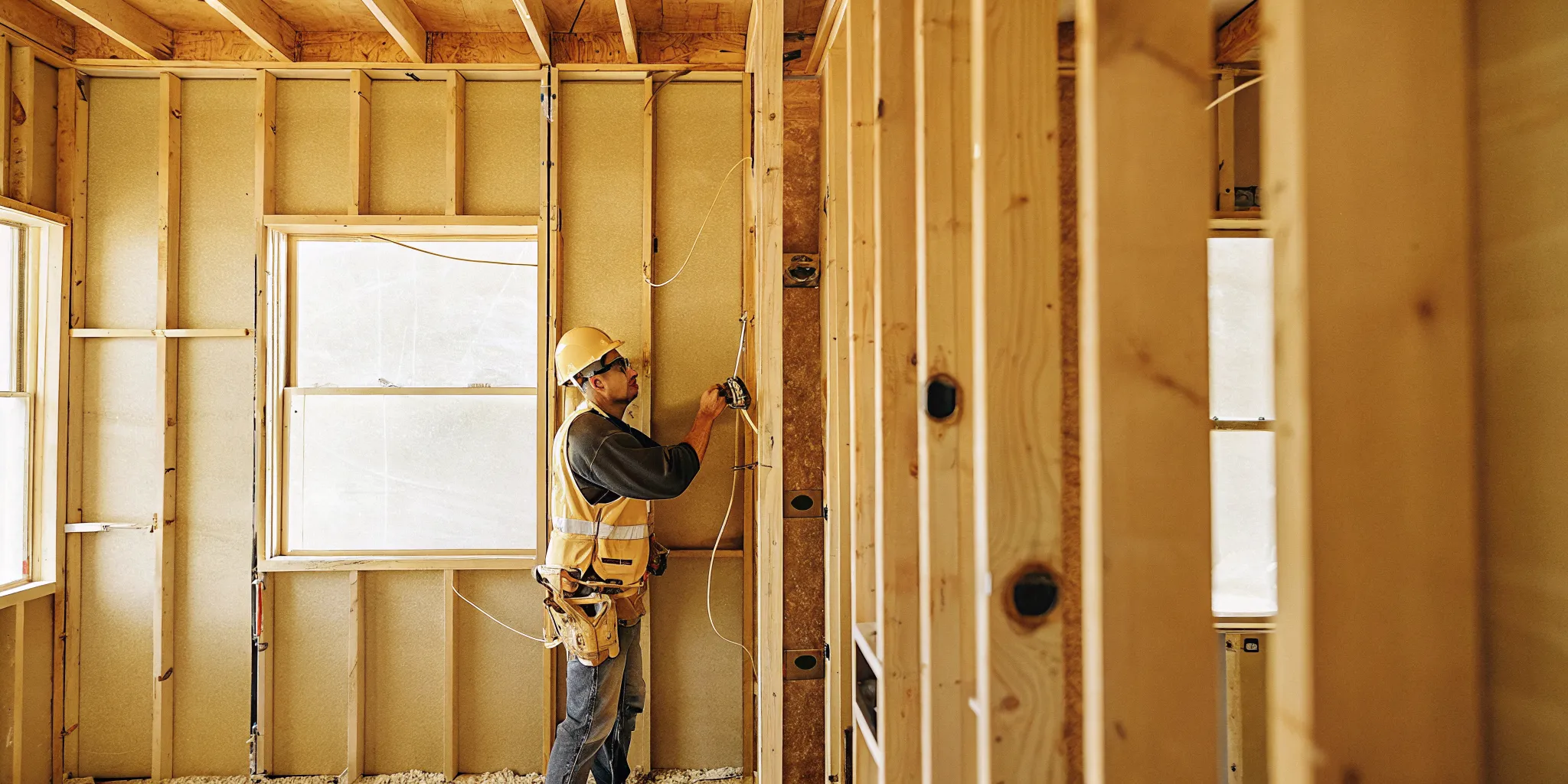
A renovation can change far more than a room's appearance. New walls, appliances, lighting, HVAC equipment, or an addition require electrical planning that coordinates with the rest of the home's systems. Choosing the right professional early helps protect the project schedule, workmanship, and household safety.
A home renovation electrical contractor Chicagoland homeowners can trust evaluates existing wiring, plans new circuits and equipment connections, completes code-conscious electrical work, and coordinates with other trades when the project involves multiple systems.
Key takeaways for homeowners planning a renovation:
- Hire an electrical contractor during the planning phase, before walls close or finishes are installed
- Look for a contractor who holds relevant local licenses and can coordinate electrical, HVAC, and construction work
- Plan for panel upgrades early if your renovation adds significant electrical demand
- Choose a contractor with a track record of community trust and full-scope renovation experience
- Verify insurance, certifications, and emergency availability before signing a contract
Brilliant Home Services has served the area since 1956 and offers electrical, HVAC, lighting, EV charger, generator, and construction services under one roof. That broader view matters when electrical decisions affect framing, insulation, plumbing, heating, or ventilation. It also gives homeowners one knowledgeable point of contact instead of leaving trade coordination entirely to them.
What Does a Home Renovation Electrical Contractor Chicagoland Offer?
A home renovation electrical contractor plans and completes the electrical work required when a house layout, purpose, or equipment changes. That work goes beyond adding a few outlets. It involves evaluating the existing electrical system, designing new circuits, coordinating with other trades, and installing everything safely so the finished space works as intended.
Making the smart move: The most cost-effective time to address electrical capacity is during demolition, before drywall goes up. Waiting until after finishes are installed can double labor costs and delay occupancy.

How does electrical wiring change during a renovation?
When walls move or rooms gain new functions, the wiring must be planned around the updated layout. A contractor routes wiring for new lighting, switches, appliances, heating or cooling equipment, and dedicated circuits where needed. During a kitchen, bathroom, or basement project, the installation also accounts for moisture, finished surfaces, cabinetry, insulation, and access to junction boxes and service equipment.
Outlet relocation is another common part of the work. Existing receptacles may no longer align with the new room arrangement, while a remodeled kitchen or finished basement may need additional locations for everyday equipment. Planning these points before walls close helps reduce rework and keeps the electrical system practical for daily use.
When is a panel upgrade necessary?
Renovations can increase the electrical demand on a home. New appliances, lighting, HVAC equipment, an EV charger, or other high-use systems may require more capacity than the existing panel can comfortably support. A contractor evaluates the current service and panel, identifies the expected load, and recommends an appropriate upgrade when the project requires it.
A common trigger: If your home has a 100-amp panel and you are adding a kitchen with an electric range, dishwasher, and microwave, the total load may exceed the panel's capacity. A 200-amp upgrade is a frequent recommendation for major Chicagoland renovations.
Why do licenses and certifications matter for Chicagoland renovations?
Electrical work affects fire and shock safety, which is why homeowners should confirm that the contractor is properly qualified for the project and location. Brilliant Home Services holds City of Chicago licenses for electrical, general, and HVAC contracting, as documented on its company information page. The company also identifies as an Eaton Certified Electrical Contractor, a designation associated with its electrical work.
A qualified contractor can help keep the renovation aligned with applicable electrical requirements, coordinate inspections when required. And leave the home with an installation that is safe, accessible, and ready for the next stage of construction.
Why Choose a Multi-Trade Contractor for Your Chicagoland Renovation?
A renovation rarely stays inside one trade's boundaries. Opening a wall can reveal outdated wiring. A kitchen expansion may require new circuits and ventilation. A finished basement can affect heating, cooling, lighting, and structural work. A multi-trade contractor gives you one point of contact for that connected scope instead of asking you to coordinate several separate companies.
The coordination advantage: When your electrical contractor also handles HVAC and construction, scheduling conflicts between trades are eliminated. If a wall needs to move, the same team adjusts the wiring, ductwork. And framing without a second change order or a delay waiting for a third party to return to the site.
Brilliant Home Services describes this approach as a one-roof solution for complex renovations. The company has served the Chicagoland area since 1956, providing electrical, HVAC, and construction services through one established provider. That history can make communication and accountability easier when a project involves more than one specialty.
Homeowners who choose a multi-trade contractor also benefit from a single warranty and a unified project timeline. When separate contractors handle each phase, a delay in electrical rough-in can push back insulation, drywall, and painting by weeks. With a multi-trade team, the same project manager sequences every phase so that materials, labor, and inspections align without repeated handoffs.
| Project need | Multiple single-trade contractors | Multi-trade contractor |
|---|---|---|
| Electrical | You coordinate an electrician separately, confirm the schedule, and make sure electrical work aligns with the construction plan. | Electrical planning can be coordinated with demolition, framing, lighting, outlets, and other renovation requirements through one project contact. |
| HVAC | A separate HVAC company must assess equipment, ductwork, ventilation, and timing alongside the other trades. | HVAC work can be planned alongside electrical capacity, room changes, access needs, and construction sequencing. |
| Construction | If a delay or problem occurs, you may have to determine which contractor owns the next step. | One contractor can help coordinate the renovation schedule, communicate changes, and reduce finger-pointing between trades. |
How does one point of contact improve a renovation?
One contact does not eliminate every project variable, but it can reduce the handoffs that create confusion. You can discuss the scope, sequence, access requirements, and changes with a team that understands how the trades affect one another. Scheduling may also be easier when electrical, HVAC, and construction work are planned together rather than fitted into separate calendars.
Why do licensing and safety matter across several trades?
Electrical work should be handled by qualified professionals who understand applicable code and safe work practices. The CDC and NIOSH note that construction workers face elevated electrocution risk, and electrical safety violations can include improper wiring methods and lockout/tagout procedures. Brilliant Home Services holds City of Chicago licenses for electrical, general, and HVAC contracting, according to its company information. Those credentials provide a stronger basis for coordinating a safety-conscious renovation. Explore the full range of professional electrical and multi-trade renovation services available for your project.
What Electrical Work Is Involved in a Kitchen or Basement Remodel?
Kitchen and basement remodels often add more electrical demand than the existing wiring was designed to handle. A careful plan accounts for new appliances, lighting, outlets, finished-wall access, moisture exposure, and the capacity of the electrical panel before construction begins.
What electrical upgrades does a kitchen remodel usually need?
A kitchen renovation commonly requires dedicated circuits for major appliances such as the range, dishwasher, refrigerator, microwave, and garbage disposal. Separating these loads helps prevent nuisance tripping and gives each appliance the power its manufacturer requires. An electrician can also relocate or add countertop receptacles so they are practical for the new layout.
Ground-fault circuit interrupter, or GFCI, protection is especially important for receptacles near sinks and other areas where water may be present. Under-cabinet lighting may require new wiring, switches, dimmers, or low-voltage drivers. If the remodel includes a range hood, the contractor should plan its circuit, switch location, and wiring before cabinets and finishes conceal the work.
Many homeowners also add a kitchen island during a remodel. Which typically requires a dedicated circuit for outlets on the island surface, plus wiring for pendant lighting or a prep sink. Each of these additions must be planned during the rough-in phase so that the island's electrical box is installed before the floor is poured or the cabinetry is set.

What electrical work is common when finishing a basement?
Basement finishing typically involves a new lighting circuit, wall switches, receptacles, and wiring for planned uses such as a home office, entertainment area, laundry space, or workshop. Outlet placement should follow applicable code requirements, including spacing and accessibility rules, rather than being added wherever an open wall happens to allow it. Areas exposed to damp conditions may also require appropriately rated equipment and GFCI protection.
Before new basement circuits are added, the electrical panel should be assessed for available capacity. If the panel cannot safely support the planned loads, the project may require load management, circuit changes, or a panel upgrade. This evaluation is best completed before drywall, cabinetry, or finished ceilings limit access to wiring routes.
How is electrical safety protected during the remodel?
Electrical work should be performed by qualified persons trained to work on or near energized parts, as outlined by the CDC and NIOSH (electrical safety guidance). Proper energy-control procedures and verification of de-energization are critical before wiring is installed or modified. Brilliant Home Services is an Eaton Certified Electrical Contractor, a designation that supports a methodical approach to code compliance and safe installation. Homeowners can learn more about professional electrical renovation services before planning their work.
How Do You Choose the Right Electrical Contractor for a Renovation?
The right contractor should bring more than tools and a truck to your renovation. Look for verified qualifications, relevant experience, clear communication, and the capacity to coordinate electrical work with the other systems your project may involve. Use these questions to compare contractors before work begins:
- Can the contractor verify licensing and insurance? Ask which licenses apply to your project and request proof of current insurance. Electrical, general, and HVAC contracting require specific City of Chicago licenses for safety and compliance. Brilliant Home Services holds City of Chicago licenses for electrical, general, and HVAC contracting.
- Does the team hold relevant certifications? Certifications do not replace licensing, but they can show ongoing technical training and familiarity with recognized equipment standards. Brilliant Home Services is an Eaton Certified Electrical Contractor. Ask whether the certification applies to the work and equipment planned for your renovation.
- Can one company coordinate multiple trades? Renovations often connect electrical work with heating, cooling, lighting, generators, EV charging, or construction. A multi-trade contractor can provide one point of contact and help reduce communication gaps between crews.
- How will urgent problems be handled? Renovation sites can uncover damaged wiring, overloaded circuits, or other safety concerns. Brilliant Home Services provides 24/7/365 emergency availability, which can matter when a safety issue cannot wait for the next business day.
- What does the contractor's reputation show? Read reviews across more than one platform and look for patterns involving communication, jobsite care, workmanship, and follow-through. Brilliant Home Services reports a 4.8 out of 5.0 rating across 480-plus reviews on Birdeye, 312 Built, and other platforms.
- Has the team handled renovation-specific work? Ask about projects involving additions, kitchens, basements, older wiring, panel capacity, lighting plans, and coordination with builders. Homeowners in Barrington and nearby communities can review the company's Chicagoland electrical renovation service area before scheduling a project discussion.
Pro tip: Ask every candidate contractor for three references from projects similar in scope and age-of-home. A contractor who consistently works with 1950s bungalows will have different wiring experience than one who specializes in new construction.
How Does 70+ Years of Family Ownership Matter for Renovation Projects?
A renovation changes more than a room. It can affect wiring, heating, cooling, lighting, safety, and the way your household uses the space every day. That is why many northwest Chicagoland homeowners value a contractor with a long-term stake in the community, not simply a company available for one project.
Brilliant Home Services has served the Chicagoland area since 1956, when John Heskin, an Irish immigrant electrician, founded the company. Today, his son Tom Heskin leads the business. Bringing formal training in management and electrical engineering from Milwaukee School of Engineering to the next generation of the family company.

What does continuity mean for renovation quality?
Family ownership creates a reason to protect standards over time. A renovation may involve decisions that are not visible after the walls are closed, including circuit planning, equipment coordination, and safe installation practices. Consistent expectations for workmanship and communication help keep those details from becoming afterthoughts.
Why this matters: A contractor who has served the same community for seven decades plans every project as if the next generation of homeowners will need those walls opened again. Shortcuts that degrade safety or service life do not make sense for a business built on neighborhood referrals.
That continuity also supports a more complete view of the home. Brilliant Home Services provides electrical, HVAC, lighting, generator, EV charger, and construction services. A renovation contractor familiar with multiple home systems can help identify coordination needs early, reducing the risk that one improvement creates a problem for another trade.
Why do community roots matter to homeowners?
Local reputation is built across years and generations. Homeowners in the northwest suburbs often prioritize reliability, licensed professional expertise, and high-quality craftsmanship over choosing the lowest-price option. A family-owned company serving the area since 1956 has a strong incentive to communicate clearly, work safely, and stand behind the quality of its customer experience.
Renovation work can also uncover urgent electrical or mechanical concerns. Brilliant Home Services offers 24/7/365 emergency response for urgent service needs, providing an option when a safety issue cannot wait for regular business hours. To learn more about the company's history and approach, visit About Brilliant Home Services.
What Areas Does Brilliant Home Services Serve?
Brilliant Home Services is headquartered in Barrington and serves homeowners throughout northwest Chicagoland. The primary service area includes:
- Barrington
- South Barrington
- Lake Zurich
- Palatine
- Schaumburg
- Inverness
Local coverage matters when electrical work is part of a renovation. Homes in these communities can differ in age, construction methods, electrical layouts, and renovation requirements. A contractor familiar with the area can evaluate the existing system in context, identify project-specific considerations, and coordinate work with the applicable municipal code and permit process.
That local knowledge is especially useful for additions, kitchen updates, finished basements, lighting projects. And other renovations where new circuits or equipment must work safely with the home's existing infrastructure. Brilliant Home Services combines electrical, HVAC, lighting, EV charger, generator, and construction capabilities under one roof. Giving homeowners a single local team to contact when a project crosses trade lines.
Explore the full Chicagoland electrical renovation service area to confirm whether your community is covered. If you are planning a renovation and need an experienced electrical contractor, contact Brilliant Home Services to discuss your project.
What Permit and Code Considerations Apply to Chicagoland Renovations?
Electrical work during a renovation is subject to local code requirements that vary by municipality. Understanding these requirements before work begins helps avoid costly rework and inspection delays. A qualified electrical contractor should be familiar with the permitting process in your community and ready to coordinate the required approvals.
In most Chicagoland communities, electrical work that adds new circuits, relocates wiring, or upgrades the panel requires a permit and inspection. The contractor pulls the permit, schedules the inspection at the appropriate rough-in stage, and schedules a final inspection once the work is complete. Homeowners who hire an unlicensed contractor or attempt unpermitted work may face fines, difficulty selling the home, or insurance complications.
How do code requirements differ across Chicagoland communities?
While most northwest suburbs adopt the National Electrical Code (NEC) as their baseline, individual municipalities may amend or supplement those requirements. Barrington, Schaumburg, Palatine, and Lake Zurich each have their own building departments with specific inspection schedules and fee structures. An experienced local electrical contractor navigates these differences as part of its standard service, not as an exception.
Avoiding permit pitfalls: If a contractor suggests skipping the permit to save time or money, consider that a warning sign. A permitted and inspected installation protects your property and its resale value. Future buyers and their home inspectors will look for evidence of proper permitting.
What documentation should a homeowner keep from a renovation?
After a renovation involving electrical work, keep copies of the signed contract, permit documentation, inspection approvals, and any equipment warranties. These records are useful when selling the home, filing an insurance claim, or troubleshooting an issue years later. A reputable contractor provides these documents as a standard part of the project closeout. Review the full range of renovation services offered by Brilliant Home Services to understand what documentation and support comes with each project type.
Frequently Asked Questions
When should I bring an electrical contractor into a renovation?
Bring the electrical contractor in during planning, before walls are closed or finishes are installed. Early coordination helps identify panel capacity, new circuits, outlet locations, lighting plans, wiring routes, and code requirements before other trades begin work.
Can one contractor coordinate electrical, HVAC, and construction work?
Yes. A multi-trade contractor can provide one point of contact for connected home system upgrades. This approach can help reduce scheduling conflicts, warranty gaps, and communication problems that arise when separate contractors handle each trade.
How can I evaluate an electrical contractor for a Chicagoland renovation?
Check the contractor's licensing, insurance, certifications, online reviews, and experience with renovation projects in your community. Ask about panel upgrades, permit handling, code knowledge, and multi-trade coordination. Request references from projects similar to yours.
Is it safe for a homeowner to handle renovation wiring?
Electrical work during a renovation involves risks including shock, fire, and code violations. Licensed contractors have the training, tools, and inspection relationships to complete the work safely. Homeowners should avoid DIY electrical work, especially when new circuits or a panel upgrade is required.
What size electrical panel is typical for a Chicagoland home?
Many older Chicagoland homes have 100-amp or even 60-amp panels. A major renovation that adds appliances, HVAC equipment, or an EV charger often requires a 200-amp upgrade. Have a licensed contractor evaluate the current load before planning new circuits.
Do I need a permit for electrical work during a renovation?
In most Chicagoland communities, electrical work that adds circuits, relocates wiring, or upgrades the panel requires a permit and inspection. A licensed contractor handles the permit and coordinates inspections as part of the project.
Ready to Schedule Your Renovation Consultation?
A renovation is easier to manage when the electrical work and related home services are coordinated with care. If you are planning an upgrade in Chicagoland, contact us to discuss the project, identify the right next steps, and keep your plans moving clearly. Schedule Service Now with Brilliant Home Services.
Ready to Get Started?
Contact Brilliant Home Services for professional, reliable service in Chicagoland. We are available 24/7 for emergencies.