Heat Pump Repair in Chicagoland: When Is Service Needed?
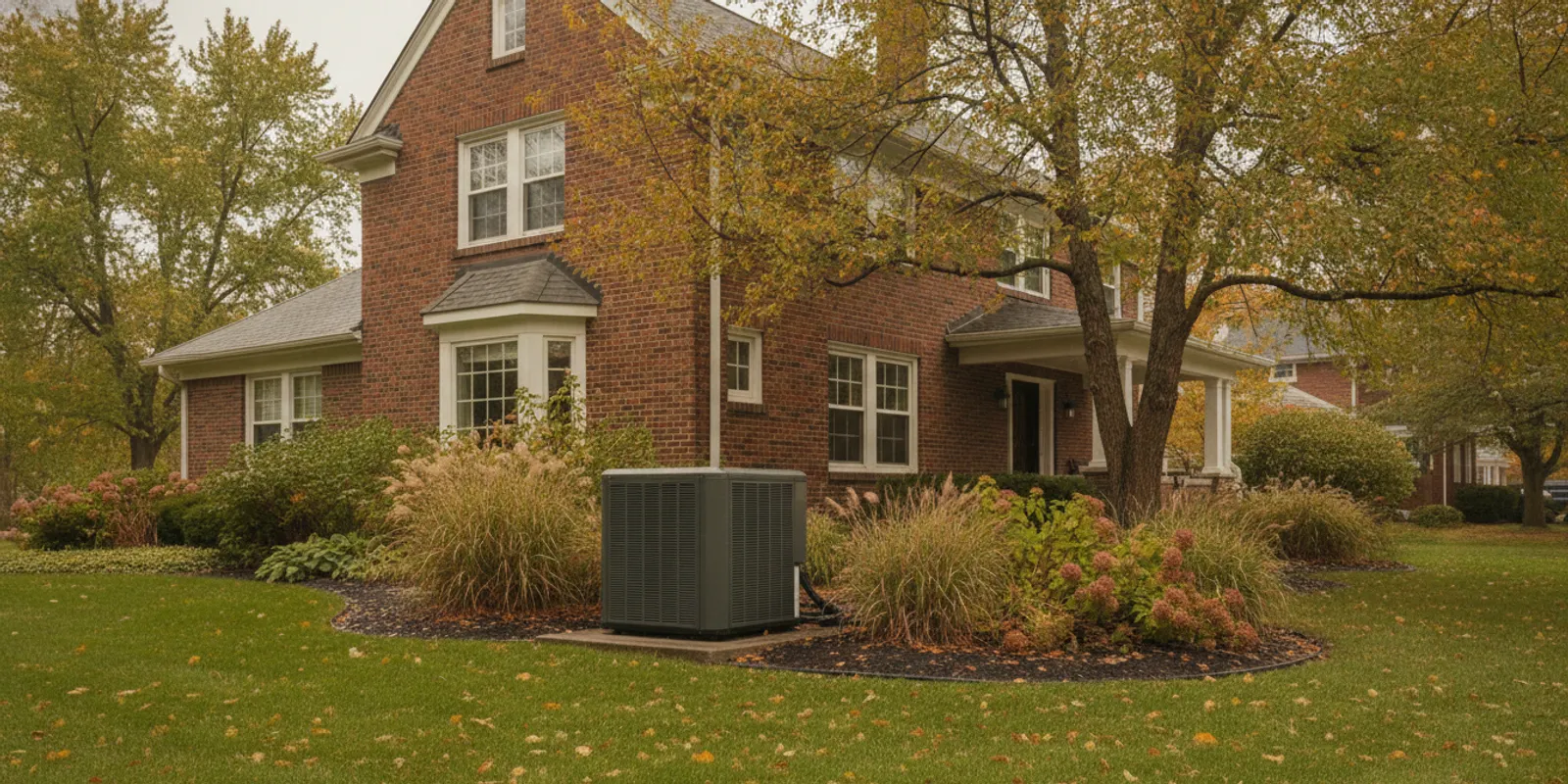
When a heat pump stops keeping your home comfortable, it can be difficult to tell whether a setting, a seasonal operating change, or an equipment problem is behind it. This guide to heat pump repair Chicagoland homeowners may need explains warning signs, safe checks, and useful next steps without asking you to diagnose internal parts yourself. If you are considering a heat pump repair service, these observations can also help you describe the problem.
What does a heat pump do?
A heat pump moves heat between the home and the outdoors. In heating mode, it collects heat from outdoor air and transfers it inside. In cooling mode, it moves heat from indoors to outside. A single system can therefore serve both seasons, and a change in comfort may become noticeable during either heating or cooling.
Heat pumps include indoor and outdoor equipment, controls, and an air-distribution system. Depending on the home and system design, there may also be a supplemental heat source. The specific arrangement varies, so the owner’s manual and equipment information are useful references. Do not assume that every change in sound, airflow, or run time means a part has failed.
For a general overview of home energy and heating technologies, the U.S. Department of Energy provides consumer resources. That broad background is useful, but it cannot determine what is happening with an individual heat pump. A system-specific assessment is needed when a persistent symptom affects comfort or safe operation.
When should you consider heat pump repair in Chicagoland?
Pay attention to changes from the system’s usual pattern. A single short event may be normal, especially when outdoor conditions change, but a repeated, worsening, or persistent symptom deserves attention. Note what you experience instead of guessing which component is responsible.
- The home does not reach the thermostat setting. If the thermostat is set to heat or cool as intended and the indoor temperature remains far from the selected setting, record the difference and how long it continues. Weather, building conditions, and system behavior can all affect comfort, so the symptom alone does not identify the cause.
- Some rooms feel different from others. Uneven temperatures may relate to airflow, room use, doors, sun exposure, or equipment operation. Note which rooms are affected and whether the change occurs throughout the day or at a particular time.
- Airflow changes noticeably. A supply register may feel weaker than usual, or the system may seem to deliver less air to several rooms. Check for an accessible obstruction, but arrange an assessment if the change persists after basic checks.
- Run time or cycling changes. A heat pump may run for longer periods under some conditions. A new pattern of very frequent starting and stopping, or operation that seems continuous while comfort declines, is worth reporting.
- A new or repeated noise appears. Grinding, persistent rattling, loud buzzing, or repeated clicking should not be ignored. Describe when it happens and whether it seems to come from the indoor unit, outdoor unit, or ductwork. Do not remove a cover to locate the sound.
- Frost becomes persistent ice. Some frost can form on the outdoor coil during cold or damp weather. A system may periodically run a defrost cycle. A heavy layer that does not clear, quickly returns, or appears alongside poor heating is a reason to seek guidance.
- You notice an unusual odor or visible damage. Smoke, sparking, a strong burning smell, or damage changes the situation from routine troubleshooting to a safety concern. Stop using the equipment if it is safe to do so and seek prompt professional help.
One symptom can have several possible explanations. Weak airflow, for example, could involve an obstructed return, an overdue filter change, or a system concern that cannot be assessed from the room. A technician needs to inspect and test equipment as appropriate before recommending a repair. The homeowner’s role is to notice a pattern and share it clearly, not to identify a failed component from a sound or a display message.
What safe checks can you make before arranging service?
Start with ordinary controls and areas that are accessible without tools. If a check requires opening an equipment panel, touching wiring, handling refrigerant lines, reaching into the outdoor unit, or climbing, leave it to a professional. A few careful observations can be useful; taking the equipment apart is not a necessary first step.
- Confirm the thermostat mode and setting. Check whether the system is set to heating or cooling as intended. Compare the selected temperature with the current indoor reading. If the thermostat uses batteries and indicates they are low, follow its instructions. Avoid changing installer or advanced settings you do not recognize.
- Check an accessible air filter. If you know how the filter is accessed, inspect it and follow the filter and system instructions for replacement. Use the specified size and type. Do not force a filter into place or operate the system without one simply to test it.
- Look for blocked registers and returns. Move furniture, rugs, curtains, or stored items that visibly cover an air opening. Check several rooms, not only the room with the most noticeable comfort problem. Do not close many registers in an attempt to redirect air; changing the intended airflow can create other problems.
- Observe the outdoor unit from a safe distance. Note whether loose leaves or other debris are gathered nearby or whether the unit appears obstructed. Keep clear of moving parts. Do not reach through a grille, remove a cover, pour water on the equipment, or chip away at ice.
- Read any visible thermostat message. Write down an alert or code exactly as displayed. Do not infer what it means unless the owner’s manual explains it for your model. A photo of the display can help you recall the wording when you call.
- Notice what the system is doing. From a safe location, observe whether the indoor fan seems to run, whether the outdoor unit is operating, and whether the pattern changes. These observations are not a diagnosis. Do not place a hand near a fan or remove an access panel to check operation.
If a circuit breaker trips, do not repeatedly reset it. A repeat trip should be treated as a reason to stop and seek professional guidance rather than as a routine reset. If there is smoke, sparking, or a strong burning odor, do not continue operating the system. Keep people away from damaged equipment and contact an appropriate professional; treat an active fire as an emergency.
Do not attempt to thaw a coil with a hair dryer, heat gun, hot water, or a sharp tool. Do not open refrigerant or electrical components. These actions can cause injury or additional damage, and they will not establish why ice formed in the first place.
How can you tell normal frost from a heat pump problem?
In cold or damp conditions, frost may develop on an outdoor coil. Many heat pumps have controls that periodically shift operation to clear frost. During a defrost cycle, the outdoor fan may pause, the sound may change, or a brief cloud of vapor may be visible. The indoor system may also behave differently for a short time, depending on its design and controls.
Those observations by themselves do not prove that the unit is operating correctly or incorrectly. Look at the overall pattern: does the frost clear, does the system return to its usual operation, and does the home remain reasonably comfortable? Consult the owner’s manual for model-specific information, because cycle behavior and indicators are not identical on every system.
Persistent thick ice is different from a brief layer of frost that clears. If ice remains, returns quickly, or appears with a loss of heat, repeated unusual sounds, or a system that cannot maintain comfort, call for an assessment. Keep your distance and describe what you see. Do not scrape, pry, or melt the ice, and do not try to force a defrost cycle by changing unfamiliar thermostat settings.
What information should you collect before a service call?
A concise timeline and a few observations can help a technician understand the concern. You do not need to know the technical name for a sound or decide what repair is required. Record facts that can be checked when the system is assessed.
- What is affected? State whether the concern is with heating, cooling, airflow, noise, or more than one of these.
- When did it begin? Give an approximate date or time and say whether the issue appeared suddenly or developed gradually.
- Is it constant or intermittent? Note what time of day it occurs, how often it repeats, and whether it stops on its own.
- What are the settings and readings? Share the thermostat mode, set point, displayed indoor temperature, and any alert or code.
- What did you see or hear? Describe a sound in ordinary terms, its apparent location, any odor, frost or ice, and whether anything changed during a cycle.
- What safe checks did you make? Mention a filter inspection, an unobstructed register, or a thermostat setting you corrected. This avoids repeating checks and gives the technician context.
- Has anything changed recently? Include a recent filter replacement, thermostat adjustment, power interruption, or change in how rooms are being used, if relevant.
- What equipment details are available? If the make and model are visible without removing a cover, note them. Do not climb or disassemble equipment to find a label.
For example, “The upstairs bedrooms stayed warm, the thermostat was set to cool, and the indoor reading remained several degrees above the setting from late afternoon through evening” is more useful than “the heat pump is broken.” In winter, “A thin layer of frost was present at breakfast, but a thick layer remained after several hours and the house felt cooler than usual” gives a clear sequence without suggesting a cause.
If the problem comes and goes, a short written log can help. Note the time, indoor reading, thermostat setting, outdoor conditions as you observed them, and what the equipment seemed to do. Do not delay a call to collect a perfect record if a safety concern is present or comfort is deteriorating quickly.
What might a professional heat pump assessment include?
A professional assessment starts with the reported symptoms and the system’s response. The technician may ask when the problem began, whether it occurs in heating or cooling, and what changed before it appeared. The assessment itself depends on the equipment, accessible conditions, and observations made during the visit. A single noise or a thermostat reading should not be treated as a complete diagnosis.
Depending on the situation, an evaluation may include checking thermostat response, operating behavior, airflow, and the visible condition of accessible equipment. The technician may need to run the system in an appropriate mode and perform further checks to determine what is contributing to the symptom. The specific steps and any recommended repair should be explained after the system is assessed, not assumed in advance.
Ask the technician to describe what was found in plain language. Useful questions include:
- What did you observe that explains the symptom I reported?
- Which part or condition needs attention, and what does it do?
- Is the recommended work a repair, an adjustment, or further diagnosis?
- Are there options, and what are the tradeoffs of each?
- What could happen if I wait, and is the system safe to operate in the meantime?
- What is included in the estimate, and should I expect any additional work to be approved separately?
Request a clear estimate before authorizing work and make sure you understand the proposed scope. Do not assume a specific part, timeline, or price before the equipment has been evaluated. If the explanation does not connect the findings to the symptom, ask for clarification before deciding how to proceed.
For information about the company’s heat pump repair service and heating offerings, review the heating page. It is a useful place to understand the relevant service area of the site, while a technician’s assessment is what determines the work a particular system may need.
Brilliant Home Services also lists its broader home services. If the concern involves how the system behaves in cooling mode, the site’s air conditioning service information may also be relevant. These pages provide service context; they do not replace an on-site diagnosis.
What else can affect comfort in a room?
A change in room temperature does not automatically mean the heat pump has failed. The thermostat setting, the location of the thermostat, room use, and air movement can all affect what a homeowner notices. Looking for a pattern helps separate a one-room comfort concern from a system-wide change, while still leaving diagnosis to a professional.
Check whether the concern follows a routine or a room. A bedroom may feel warmer when its door is closed, or a sunny room may feel different later in the day. A recently moved sofa, rug, or storage box can cover a register or return. Note whether several rooms are affected at the same time or whether one area alone has changed. Do not rearrange the whole duct system or close multiple vents as an experiment.
Consider whether a thermostat setting or schedule changed recently. A programmed schedule may call for a different temperature at certain hours, and a person may have changed the mode or set point without realizing it. Confirm the visible settings and consult the thermostat instructions if you are unsure. Avoid repeatedly raising or lowering the set point to force a faster response; instead, record the setting and what the home does over time.
Recent changes in the home can also provide context. A door that is now kept closed, a new window covering, or a change in how a room is used may coincide with a comfort difference. These details do not prove the heat pump is fine, and they should not be used to dismiss persistent symptoms. Share them with the technician along with any signs of weak airflow, unusual noise, persistent ice, or frequent cycling.
A practical comparison is to note the same details in an affected room and a comfortable room: approximate temperature if available, thermostat setting, whether doors are open, and whether registers are unobstructed. Repeat the observation at another time of day if the issue is intermittent. If multiple rooms remain uncomfortable or the system shows other warning signs, arrange service rather than extending home experiments.
How do common symptoms compare?
This comparison can help you choose what to observe and when to call. It is not a troubleshooting chart that identifies a failed part. If there is a safety concern, prioritize safety over the routine checks in the table.
| What you notice | Safe observation | When to request service |
|---|---|---|
| Weak or uneven airflow | Check an accessible filter and clear visible blockages at registers or returns. | Airflow remains changed, or several rooms stay uncomfortable. |
| Longer run time | Record the thermostat setting, indoor reading, and when the pattern occurs. | The change persists or the home cannot reach a comfortable temperature. |
| Frequent starts and stops | Note how often it starts, how long it runs, and any displayed message. | The pattern continues, worsens, or is paired with poor heating or cooling. |
| Outdoor frost | Observe from a distance and note whether it clears during normal operation. | Thick ice remains or quickly returns, especially with reduced comfort. |
| New noise | Describe the sound, apparent location, and timing without opening a panel. | The sound is loud, repeated, worsening, or accompanied by another symptom. |
| Smoke, sparking, or strong burning odor | Do not touch equipment; stop operation if it is safe to do so. | Seek prompt professional help; treat active fire as an emergency. |
The key distinction is not whether a symptom appears on a list. It is whether the behavior is persistent, worsening, or creating a safety concern. A brief change that matches the owner’s manual may be part of normal operation. A continuing change deserves a closer look, even if the system still turns on.
How should you think about repair timing and options?
There is no reliable way to choose a repair based only on a general symptom list. A room that is not warming, an outdoor unit covered in ice, or an unusual noise can each have more than one explanation. The right next step depends on what the assessment finds, how the system is operating, and whether there is a safety issue.
Use the urgency of the situation to decide whether to stop operating the unit and call promptly. Smoke, sparking, a strong burning odor, visible damage, or a breaker that trips again after being reset warrants immediate caution. A system that is simply less comfortable but has no safety warning still merits service if the problem persists or worsens. If a heat wave or cold spell is affecting comfort, explain that when arranging the appointment.
When discussing options, compare the proposed work rather than relying on a label such as “minor” or “major.” Ask whether the estimate addresses the observed problem, whether any additional diagnostic work may be needed, and what the technician recommends if the first step does not resolve the symptom. If more than one option is offered, ask what each option includes and what uncertainty remains.
Repair and replacement decisions can involve the system’s condition, performance, age, and the homeowner’s plans, but those details need to be evaluated for the particular equipment. Do not treat a single symptom as proof that replacement is necessary, and do not assume every system should be repaired regardless of its condition. Ask for the basis of the recommendation and enough detail to make an informed choice.
For local service details, you can review the company’s Chicagoland service locations or read more about Brilliant Home Services. When you are ready to discuss a specific concern, use the contact page to schedule service. These links help with the next step; they do not promise a particular diagnosis or outcome.
Frequently Asked Questions
Can a heat pump work during cold Chicagoland weather?
Heat pump performance depends on equipment design and outdoor conditions. Some systems also have supplemental heat. Check the documentation for your model and watch whether the system maintains comfort. If it repeatedly struggles or behaves differently from its normal pattern, ask a technician to assess it.
Should I run a heat pump when the outdoor unit looks icy?
A light layer of frost can occur and may clear during a normal defrost cycle. A thick layer that remains, returns quickly, or appears along with poor heating deserves professional attention. Do not chip, scrape, or heat the ice yourself. If you are unsure whether the system is safe to operate, turn it off if safe and contact a professional for guidance.
Can I troubleshoot a heat pump on my own?
You can confirm normal thermostat settings, check an accessible filter according to its instructions, and move visible obstructions away from registers. You can also record a display message or sound. Do not open equipment, handle wiring or refrigerant lines, remove panels, or repeatedly reset a breaker that trips again.
What should I do if the system makes a burning smell?
If there is smoke, sparking, a strong burning odor, or visible damage, do not continue ordinary troubleshooting. Turn the equipment off if you can do so safely, keep clear, and seek prompt professional assistance. Treat an active fire as an emergency.
What details should I give when I call?
Explain whether the issue is with heating or cooling, when it began, whether it is constant, what the thermostat displays, and what you have observed. Mention unusual sounds, odors, ice, or a breaker trip. A clear description is more helpful than guessing at a specific failed part.
What is the next step if your heat pump is acting differently?
Write down the symptoms, make only the safe checks described here, and avoid trying to repair internal components. If the problem persists, worsens, or raises a safety concern, call Brilliant Home Services at (847) 588-2533 to discuss the issue and schedule service.
Ready to Get Started?
Contact Brilliant Home Services for professional, reliable service in Chicagoland. We are available 24/7 for emergencies.