GFCI Outlet Keeps Tripping Barrington IL? Why It Happens and What to Do
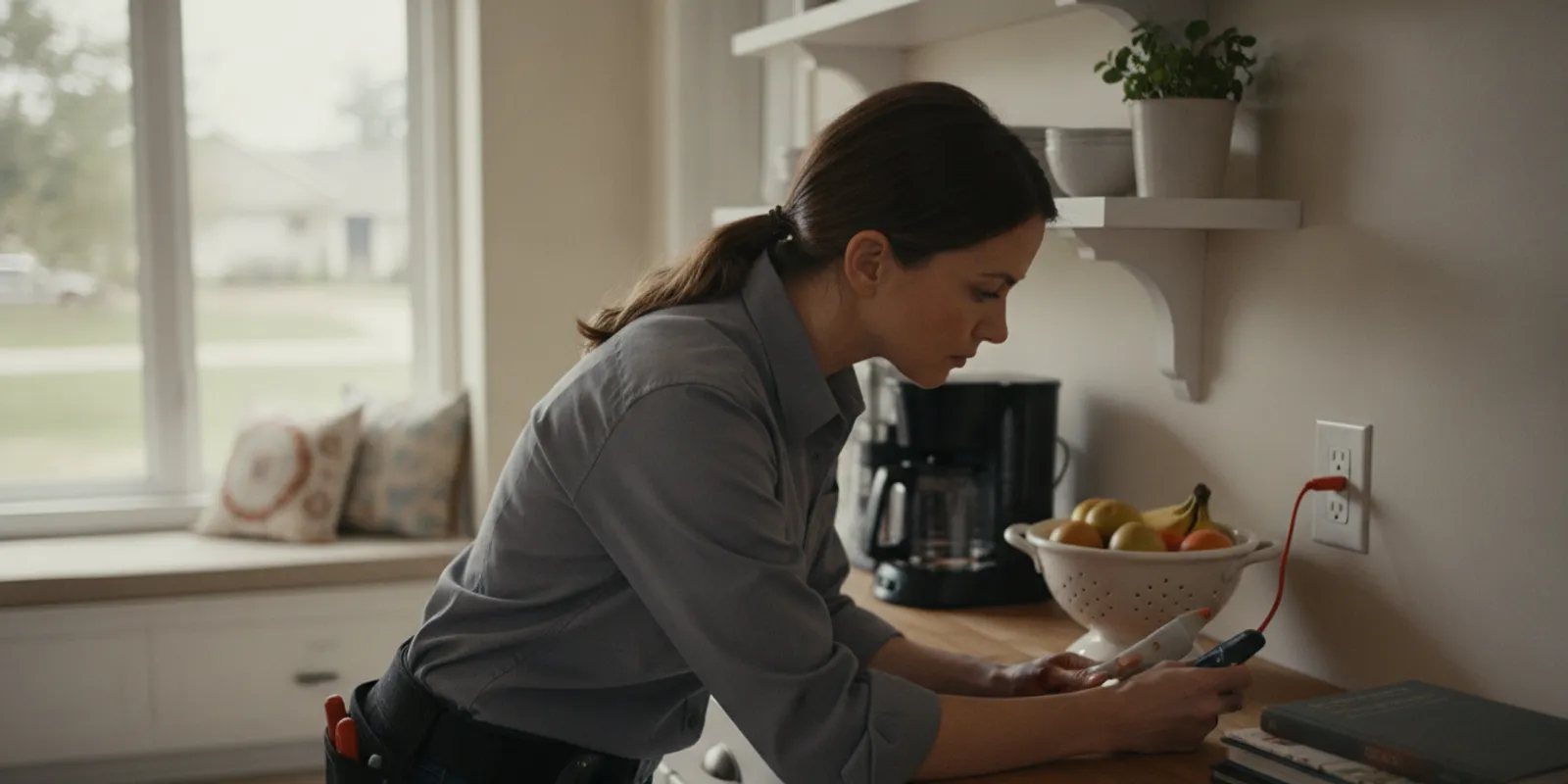
If you searched “GFCI outlet keeps tripping Barrington IL,” treat a recurring trip as a safety signal, not a reason to keep pressing RESET. A GFCI interrupts power when it detects a possible electrical problem. A connected appliance, moisture, a worn receptacle, or a wiring problem can all be involved. Here is how to respond safely, what observations can help narrow the cause, and when to stop troubleshooting and call an electrician.
What does a GFCI outlet do?
A ground-fault circuit interrupter, usually called a GFCI or GFI, is designed to shut off power when it senses an imbalance between the electricity traveling out through the hot conductor and returning through the neutral conductor. That imbalance can happen when some current takes an unintended path. Cutting power helps reduce the risk of electric shock. A GFCI does not prevent every electrical hazard, and it is not a substitute for correcting a damaged appliance, faulty wiring, or water intrusion.
Many people recognize a GFCI by the TEST and RESET buttons on its face. Some GFCI receptacles also protect other outlets connected downstream, so the outlet that appears dead may not be the one that tripped. Protection can also come from a GFCI breaker in the electrical panel. If you are unsure which device controls the affected outlet, note what lost power rather than removing a cover or opening the panel.
One GFCI can protect a group of receptacles, including outlets in a different part of the room or on the other side of a wall. The first protected device in a circuit may have tripped even though the outlet you were using has no TEST or RESET buttons. This is why it can help to check, from a safe and dry position, whether another accessible GFCI in the same general area has reset. Do not remove outlet covers or search inside a wet or damaged box.
GFCI protection is also different from arc-fault protection and ordinary overcurrent protection. An arc-fault circuit interrupter is designed to respond to certain arcing conditions; an ordinary circuit breaker protects wiring from overcurrent. Devices may be combined or installed at different points, depending on the setup. Since the controls can look unfamiliar and a loss of power can have different causes, describe the device that tripped and let an electrician identify the protection involved.
GFCI devices are often found in areas where electrical equipment may be near water, such as kitchens, bathrooms, garages, basements, laundry areas, and outdoor locations. Their presence does not mean the location is unsafe; they are a protective measure. If you want help with a broader issue, review the company's electrical repair and service information or its Barrington electrician service page.
Why does a GFCI outlet keep tripping in Barrington, IL?
The trip itself is a symptom, not a diagnosis. It may be triggered by one appliance or tool, moisture, a problem in a connected outlet, a failing GFCI device, or a fault in the circuit. Sometimes the reason is clear: the outlet trips only when a particular appliance is plugged in. In other cases, the trip happens intermittently or the RESET button will not stay engaged. A careful description of when and where the problem occurs is useful, but repeated resets do not identify or fix the cause.
Weather and everyday use can make moisture a possibility around exterior receptacles, garages, basements, kitchens, and laundry spaces. Water may enter an outdoor box or reach an outlet through a damaged cover or cord. Indoors, a spill, leak, condensation, or damp appliance can also be relevant. Do not assume that a receptacle is dry just because its face looks dry; moisture can be behind a cover or inside equipment.
Age and wear are other possibilities. Receptacles and appliances can degrade with use, and a GFCI device itself can eventually fail. A loose or damaged connection, wiring fault, or issue elsewhere on the same protected circuit may also contribute. A qualified electrician can test the circuit and the protective device to determine which explanation fits instead of replacing parts by guesswork.
What should you do first when the outlet trips?
Start by treating the loss of power as a safety signal. If there is smoke, a burning odor, crackling, visible scorching, a hot outlet cover, a shock or tingling sensation, or water near electrical equipment, do not touch the outlet or attempt to reset it. Keep people away from the area. If it is safe to do so, stop using the affected equipment and seek prompt professional help. If there is fire or immediate danger, leave the area and call emergency services.
If there are no warning signs and the outlet is in a dry, accessible location, you can make a few limited observations without taking anything apart:
- Note which outlet or outlets have lost power, and whether nearby lights or other receptacles are affected.
- Recall what was plugged in or switched on immediately before the trip. Include appliances, extension cords, power strips, and outdoor equipment.
- Look from a safe distance for dampness, a leak, a damaged cord, a cracked receptacle, or a discolored cover. Do not touch a wet or damaged device.
- Check whether a GFCI outlet elsewhere in the area has a tripped RESET button. One GFCI may protect downstream outlets.
- Write down whether the trip happened once, happens with a particular device, or returns after a reset.
These observations can help an electrician, but they do not prove the cause. Do not remove the receptacle cover, pull the device out of the wall, handle exposed wires, or probe an outlet with a tool. Avoid using an outlet that has tripped repeatedly until the problem has been assessed.
Can you reset a GFCI outlet yourself?
A reset is reasonable only when the outlet and surrounding area are dry, there are no signs of damage or overheating, and you can operate the buttons without touching anything questionable. First unplug devices from the affected outlet if you can do so safely. Press RESET once, following the markings on the device. If it will not latch, trips immediately, or trips again after a device is reconnected, stop. Repeated pressing is not a repair and can obscure the pattern that would help identify the problem.
If the receptacle is wet, cracked, loose, hot, buzzing, or visibly damaged, do not reset it. Do not use a hair dryer, heater, or other appliance to dry an outlet. Do not tape a button in place, bypass the GFCI, or replace it with an ordinary receptacle to keep power on. Those steps defeat a safety feature or can create additional risk.
It is also important not to confuse a GFCI trip with an overloaded circuit. A GFCI detects current imbalance; a circuit breaker generally responds to an overcurrent condition. Both devices can interrupt power, and a breaker may have a test function that resembles a GFCI control. If you are not certain what tripped, do not repeatedly operate devices in the panel. An electrician can identify the protective device and evaluate the cause.
What should you avoid doing during troubleshooting?
Do not defeat the protection to keep an appliance running. That means no bypass adapters, no replacing a GFCI with an unprotected receptacle, and no holding or taping the RESET button in place. Avoid moving a questionable appliance to a different circuit to see whether it trips there. If the appliance has an electrical fault, testing it elsewhere may simply transfer the risk.
Do not open the electrical panel or remove an outlet to look for loose wires. Even when a circuit appears to be off, the wiring may not be isolated as expected, and some parts of an electrical system can remain energized. A non-contact tester or plug-in indicator is not a substitute for proper testing by a qualified electrician. Never handle exposed conductors or reach into a receptacle.
Be cautious about online advice that promises one quick fix for every GFCI trip. Replacing a device without checking the connected circuit can leave a fault in place, while repeated resets can erase a useful clue about what triggered the interruption. If a reset does not hold, or if the same situation causes another trip, pause and arrange an inspection. The safest next step is to leave the affected outlet unused and describe the conditions that led to the trip.
Could an appliance be causing the GFCI trip?
Yes. A faulty appliance, damaged cord, internal electrical fault, or moisture within equipment can make a GFCI trip when the device is plugged in or switched on. This can happen with countertop appliances, laundry equipment, power tools, outdoor lighting, pumps, or other plugged-in loads. The timing can offer a clue: if the trip repeatedly follows use of one device, stop using that device until it has been inspected or repaired.
Do not keep trying the suspected appliance in different outlets to see whether it works. That can expose another circuit or outlet to the same fault. Do not use a damaged extension cord or power strip as a workaround. If the appliance is wet, has a damaged plug, gives off an odor, makes unusual sounds, or has caused a shock, leave it disconnected if you can do so safely and arrange appropriate service.
If no single device appears to be responsible, the issue may still involve wiring, another outlet protected by the same GFCI, or the GFCI receptacle itself. Note what was in use and share that information with the electrician. A short timeline is more useful than a long list of guesses: for example, “It tripped when the basement dehumidifier started after rain,” or “It trips even with everything unplugged.” Do not attempt to reproduce a dangerous condition for diagnostic purposes.
Can moisture or outdoor conditions make it trip?
Moisture is a common factor to consider, especially where an outlet, plug, appliance, or cord is exposed to water. A wet outdoor receptacle, leaking hose connection, damp basement, or appliance affected by a spill may contribute to a ground fault. Moisture can be inside an electrical box or device even when the outlet face does not look wet. If water has reached electrical equipment, keep clear and do not touch it to investigate.
Think about recent conditions and nearby sources of water. Did the problem start after rain, snowmelt, cleaning, a plumbing leak, or use of outdoor equipment? Is there a visible damaged cover or cable? Share these details rather than removing a cover or opening a weatherproof enclosure. Water and electricity are a dangerous combination, and an apparently dry surface does not confirm that the wiring is safe.
Outdoor electrical work may involve weather exposure and the condition of the outlet enclosure, cover, wiring, and connected equipment. A trained electrician can inspect the installation and recommend appropriate repairs. If you need a separate lighting project assessed, Brilliant's lighting installation information describes that service; for a GFCI fault, explain the repeated trips when arranging an electrical service visit.
What if the GFCI will not reset?
A RESET button that will not stay in can have several explanations. The device may not be receiving power, another protective device may have interrupted the circuit, a connected downstream outlet or appliance may be involved, the GFCI may have failed, or there may be a wiring fault. A button that refuses to latch does not tell you which one is true. If unplugging accessible loads and checking for an obvious tripped GFCI elsewhere does not resolve the issue safely, leave it alone and arrange an inspection.
Some GFCI receptacles have an indicator light, but colors and meanings differ by model. Do not rely on an unfamiliar light pattern as a diagnosis. If you can read the make and model without touching damaged equipment, you may note it for the electrician. Do not remove the device to find a label or attempt to work on live wiring.
If power is out at more than one receptacle, that may help explain the layout of a protected circuit, but it does not mean the other outlets can be used safely. The first GFCI in a chain can protect downstream locations. An electrician can trace which outlets are protected and test the device and circuit.
When is a GFCI trip an urgent electrical problem?
Stop using the outlet and get prompt professional help if it trips repeatedly, will not reset, trips with no apparent load, or is associated with warmth, buzzing, crackling, smoke, a burning smell, scorch marks, a shock, or visible moisture. Do not wait for a convenient time to investigate an outlet that is hot or emitting an odor. Keep children and pets away, and do not touch the equipment if it is wet or visibly damaged.
For an isolated trip with no warning signs, you may be able to leave the outlet unused while arranging service. Do not keep resetting it to restore power to equipment that matters. If a refrigerator, sump pump, medical device, or other essential equipment has lost power, consider the immediate needs of the people or property involved and seek qualified guidance. Do not connect essential equipment through an improvised extension cord or bypass the protective device.
Brilliant Home Services provides electrical services in the area. Its service overview and company information can help you learn more before you contact the team. When describing the problem, mention the location, how often the GFCI trips, any devices in use, and any signs of moisture or damage.
What do different GFCI tripping patterns suggest?
The pattern can help organize your observations, but it cannot confirm the cause by itself. A trip that happens immediately when you press RESET suggests a different situation from a trip that occurs only after a particular appliance starts. In either case, do not keep repeating the test to force a result. Record what happened once, leave the outlet unused if the problem returns, and pass the information to an electrician.
- It trips when one device is connected: The device, its cord, or the outlet may be involved. Stop using that device and do not test it repeatedly on other outlets.
- It trips after rain or cleaning: Moisture could be a factor, particularly near an exterior receptacle, sink, laundry area, or basement. Do not touch equipment that may be wet.
- Several outlets lose power together: They may be downstream of one GFCI or on a circuit controlled by another protective device. Do not assume all affected outlets are safe to use.
- The RESET button will not latch: The device may lack power, have detected a fault, or be defective. The button alone does not identify which explanation applies.
- The trip is intermittent: A loose connection, moisture that comes and goes, equipment cycling, or another issue may be involved. Note the timing and conditions rather than trying to recreate the event.
These are prompts for a service conversation, not a do-it-yourself fault-finding procedure. Electrical systems can have hidden connections and more than one device can affect a single set of outlets. If the explanation is not obvious without touching or opening equipment, leave diagnosis to a qualified professional. A log with dates, weather conditions, appliances in use, and outlets affected can be especially helpful when a fault does not happen on demand.
What will an electrician check?
The correct diagnostic process depends on the symptoms and the installation. In general, an electrician may identify which GFCI device is protecting the affected outlet, inspect the receptacle and accessible connections, and test the device and circuit using appropriate equipment. They may check whether a connected load or another receptacle is involved and look for signs of moisture, wear, damage, or wiring problems. If the fault is elsewhere on the circuit, replacing the outlet alone may not address it.
When you schedule, give a clear description rather than guessing that the GFCI is bad. Useful details include the room or exterior location, whether one or several outlets lost power, whether a trip coincided with rain or an appliance, whether RESET stays in, and whether you noticed heat, sound, smell, or visible damage. If you know which appliances were connected, list them. These details help the service professional understand what you observed.
Ask what the inspection found, what repair is recommended, and whether other outlets or connected equipment need attention. If more than one cause is possible, ask what testing supports the proposed fix. A clear explanation helps you understand the next step without assuming that every trip requires the same repair. For local electrical help, you can use the contact page to arrange a service conversation.
How can you reduce the chance of another trip?
Prevention starts with addressing the actual cause. If an appliance or cord is defective, stop using it until it is repaired or replaced. If moisture is involved, the source and the affected electrical equipment need proper attention; simply resetting the outlet after it dries may leave an underlying problem unresolved. If the GFCI device or wiring is defective, have the electrical issue corrected rather than bypassing the protection.
Use electrical equipment according to its instructions and keep plugs, cords, and receptacles away from water. Do not overload an outlet with adapters or power strips, and do not use a cord with cuts, crushed sections, exposed conductors, or a damaged plug. These practical habits do not guarantee that a GFCI will never trip, but they can help reduce avoidable problems and make warning signs easier to notice.
After repair, ask the electrician which outlets are protected by the GFCI, what test or reset procedure applies to the installed device, and what symptoms should prompt a service call. Follow the device manufacturer's instructions for user testing and any applicable professional guidance. Avoid assuming that a GFCI in one room protects every nearby receptacle, or that a reset button in the electrical panel is safe to operate without knowing what it controls.
For related electrical planning, Brilliant has additional guidance on electrical services in Barrington and circuit breaker concerns. A breaker issue and a GFCI trip are not identical, so describe the specific device and symptoms rather than treating the terms as interchangeable.
What should Barrington homeowners do next?
If a GFCI trips once and there are no warning signs, note what was happening and avoid using the affected equipment until you understand the cause. If it trips again, refuses to reset, or shows any sign of heat, damage, moisture, smell, or sound, stop troubleshooting. Leave the outlet unused and ask a qualified electrician to inspect it. A repeated trip is a reason to investigate, not a problem to defeat by using a different receptacle or removing a protective device.
Brilliant Home Services is based in Barrington and serves homeowners and businesses in the Chicagoland area. To discuss a recurring GFCI problem, share the simple facts you observed and ask about an electrical service visit. You can also consult the U.S. Consumer Product Safety Commission for broader consumer product and home safety information at CPSC.gov.
Frequently Asked Questions
Is it safe to keep resetting a GFCI outlet?
No. One reset may be appropriate if the outlet is dry, undamaged, and has no warning signs, but a repeat trip should not be ignored. If it trips again, will not reset, or is warm, buzzing, wet, or discolored, stop using it and contact an electrician.
Why does the GFCI trip when nothing is plugged into it?
The outlet may protect downstream receptacles or be connected to wiring with a fault. The GFCI itself may also be worn or defective. An empty-looking outlet does not prove the circuit is unloaded or identify the cause, so repeated trips should be checked professionally.
Can rain make an outdoor GFCI trip?
Moisture at an outdoor receptacle, enclosure, cord, or connected device can be one possible factor. Do not touch a wet outlet or try to open its cover. Keep clear and have the equipment inspected if water may have reached it or the GFCI continues tripping.
Does a tripping GFCI mean the outlet needs to be replaced?
Not necessarily. A failing GFCI is one possibility, but an appliance, moisture, another protected outlet, or a wiring issue may also be involved. Testing is needed to determine whether the device needs replacement or whether the underlying issue is elsewhere.
What information should I give the electrician?
Tell them where the outlet is, when it trips, whether other outlets lose power, what was plugged in, whether the reset button stays in, and whether you noticed moisture, heat, sound, odor, or damage. Do not try to reproduce a hazardous condition to gather more details.
A GFCI that keeps tripping is a useful warning to pause and find the cause. Safe observations can help, but recurring trips and any signs of damage or moisture deserve a professional inspection.
Ready to Get Started?
Contact Brilliant Home Services for professional, reliable service in Chicagoland. We are available 24/7 for emergencies.