Furnace Replacement Barrington: Cost Guide
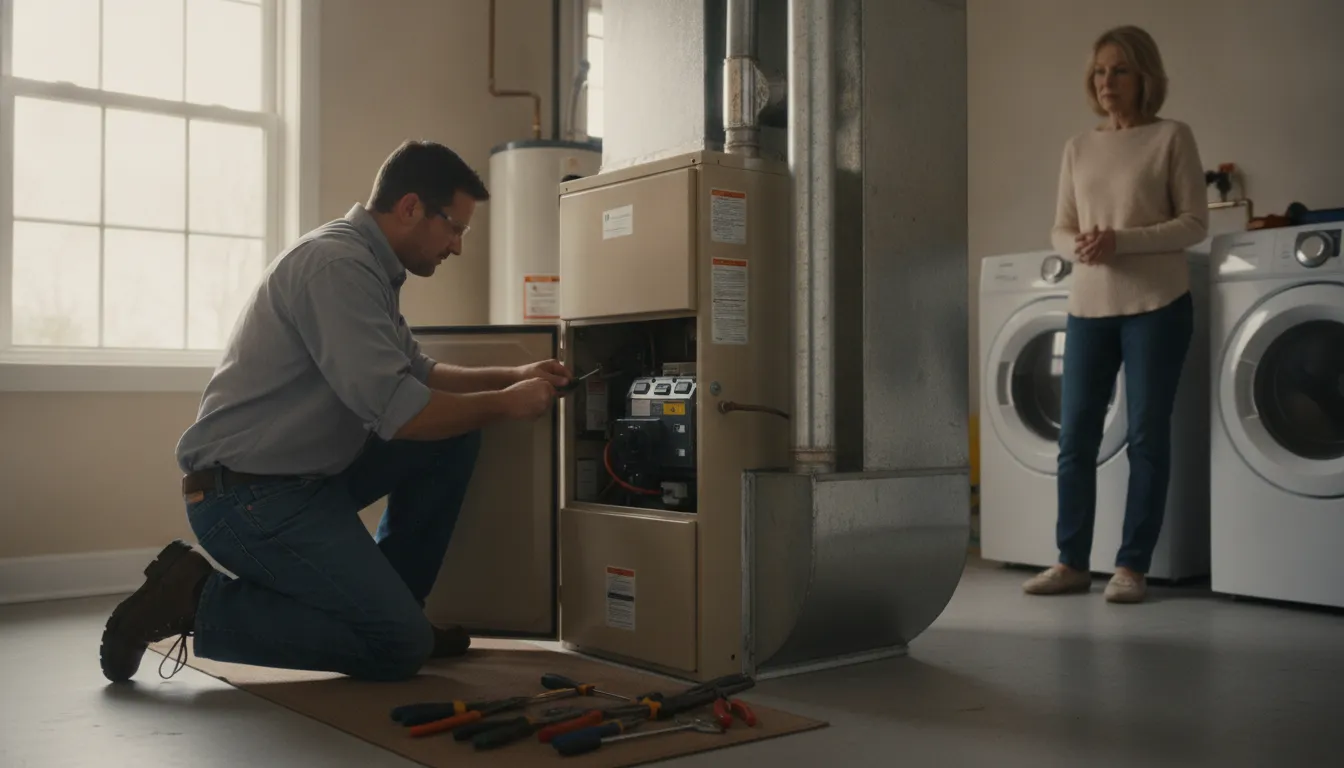
A furnace that struggles through another Barrington winter deserves more than a quick guess about its next repair. Replacement may be the right path when repeated service, comfort problems, equipment age, or changing household needs make continued repairs less practical. But the decision should start with the condition of the system and the requirements of your home.
Schedule Service Now with Brilliant Home Services to discuss your furnace concerns and next steps.
Furnace replacement barrington homeowners can feel confident about starts with a professional evaluation of repair needs, system size, fuel options, efficiency, ductwork, and installation requirements. A project-specific recommendation helps you compare replacement with repair without relying on generic prices or promises.
For broader planning, see our guide to HVAC and lighting services for Northwest Chicagoland homeowners. Then consider the signs that indicate replacement deserves a closer look.
When Should You Choose Furnace Replacement in Barrington?
A repair may be reasonable when the problem is isolated and the furnace continues to heat the home reliably. Replacement deserves closer consideration when problems keep returning, comfort is inconsistent, or the system raises safety concerns. The right decision depends on the condition of the equipment and the home, not on one universal rule.
Look at performance, not just the latest symptom
Visible warning signs can include rooms that stay cold, weak airflow, unusual sounds, repeated cycling, or a furnace that struggles to maintain the thermostat setting. One issue does not automatically mean replacement is necessary. Ask the technician to identify the failed component, explain whether other parts show wear, and describe what could reasonably happen if you repair only the current problem.
Repair history is another useful part of the decision. A single service call may be straightforward to address. Several repairs in a short period can suggest that the system is becoming less dependable, especially when each visit addresses a different component. Keep invoices and service notes so an inspector can evaluate the pattern rather than relying on memory.
Do not postpone a safety concern
Carbon monoxide is odorless, so unusual furnace behavior should not be dismissed when it occurs with a carbon monoxide alarm, suspected venting issue, soot, or other combustion concern. The U.S. Consumer Product Safety Commission identifies heating equipment among major contributors to carbon monoxide deaths and recommends a yearly professional inspection of fuel-burning home heating systems, including furnaces. See the CPSC home heating equipment guidance for safety information.
Get an inspection before making a permanent choice
If you are asking, "How much does a furnace service call cost?" there is no responsible universal answer without seeing the equipment and defining the work. More importantly, an inspection can clarify whether the issue is repairable, whether comfort problems involve ductwork or controls, and what replacement would involve. Request a written explanation of the findings. Compare the immediate repair with the system's broader condition, then choose the path that best supports safe, dependable heating in your Barrington home.
How Much Does Furnace Replacement Cost in Illinois?
There is no responsible one-size-fits-all price for furnace replacement. A project quote should reflect the home, the existing system, the selected equipment, and the work required to install and start it safely. Brilliant Home Services does not publish a universal furnace replacement price because those details can change the scope of work from one Barrington home to the next.
When you request an evaluation, ask the technician to explain what is included and which assumptions affect the recommendation. A clear conversation can help you compare options based on fit and long-term value, not just the first number you hear.
| Cost factor | Why it matters | Question to ask |
|---|---|---|
| Furnace size and home requirements | The equipment must suit the home's heating needs and layout. An improperly sized system can affect comfort and performance. | How was the recommended size determined? |
| Existing ductwork and connections | Condition, compatibility, and access around the current system can change the installation work. | Will any ductwork, wiring, or connections need attention? |
| Venting and safety requirements | The replacement may require a review of venting, combustion air, controls, and other safety-related details. | What safety checks and startup testing are included? |
| Equipment features and warranty terms | Efficiency, controls, fuel compatibility, and coverage terms can vary between options. | What are the practical differences between the recommended options? |
| Removal and site access | Physical access and removal of the existing furnace can affect labor and scheduling requirements. | Does the proposal explain removal and cleanup responsibilities? |
For help reviewing your options, explore Brilliant Home Services and ask for a project-specific explanation of the recommended work. The goal is a quote you can understand before deciding how to proceed.
What Type of Furnace Works Best for Chicagoland Winters?
There is no single furnace fuel that fits every Barrington home. The practical choice depends on what fuel is available, how the home is currently vented, whether the ductwork can deliver heat evenly, and how the system can be sized for the home's actual heating load. A replacement assessment should start with those conditions rather than a brand name or a one-size-fits-all recommendation.
Gas furnaces
Natural gas may be a straightforward option when a home already has a suitable gas connection and venting arrangement. The installation still needs to account for combustion air, exhaust routing, equipment clearances, and the condition of the existing flue. A contractor should also evaluate whether the current ductwork and blower setup can distribute the furnace's output without creating hot and cold rooms.
Propane and oil furnaces
Propane and oil can be relevant where natural gas is unavailable or where the home already uses one of these fuels. They introduce different planning questions, including fuel storage or delivery, tank location, combustion and venting requirements, and maintenance routines. Federal guidance addresses residential natural gas, propane, and oil furnaces below 225,000 Btu per hour. But that broad category does not determine which option is right for a particular home. Review the U.S. Department of Energy's residential furnace guidance alongside a site-specific evaluation.
What the existing system can tell you
The current furnace, duct layout, thermostat controls, electrical connections, and venting provide useful clues, but they should not automatically dictate the replacement. An assessment should consider insulation, window exposure, additions, room comfort complaints, and the home's heating load. Oversized equipment can cycle differently than expected, while undersized equipment may struggle during severe cold.
Ask which fuel options are feasible for the property, what changes the venting or ductwork would require, how sizing was calculated, and what maintenance each option needs. Brilliant Home Services can help Barrington homeowners discuss furnace installation requirements and compare the practical constraints before choosing a replacement path.
Is a High-Efficiency Furnace Worth the Upfront Cost?
AFUE, or annual fuel utilization efficiency, estimates how much of a furnace's fuel becomes usable heat over a typical year. A higher AFUE rating can be relevant when comparing replacement options, but the rating is only one part of a sound installation decision. Equipment compatibility, sizing, venting, controls, and the condition of the existing system also affect the project.
Why Illinois falls under the ENERGY STAR North region
Illinois is included in ENERGY STAR's U.S. North region. For that reason, the program lists different criteria for some equipment than it does in the South. For example, its listed criterion for a northern-region gas furnace is at least 97% AFUE, while the listed criterion for an oil furnace is at least 87% AFUE. ENERGY STAR also lists cabinet air leakage of 2.0% or less for gas and oil furnaces. These are selection benchmarks, not a promise that every high-efficiency model is right for every Barrington home.
Review the current ENERGY STAR furnace criteria with an installer who can relate the requirements to your fuel type and existing setup. A professional can also explain whether a higher-rated unit requires changes to venting, drainage, electrical connections, or other installation details.
How to weigh efficiency against project requirements
The practical question is not simply whether the highest available AFUE is best. Federal purchasing guidance describes an efficient product as cost effective when its lifetime energy savings exceed any upfront premium compared with a less-efficient option. That comparison depends on the home, heating demand, operating patterns, fuel, equipment life, and installation scope. Avoid treating a projected result as a guarantee.
- Ask which AFUE ratings are compatible with your existing venting, ductwork, and controls.
- Request a clear explanation of any required installation changes and why they matter.
- Compare the equipment, labor, commissioning, and warranty terms as separate parts of the proposal.
- Ask what maintenance the selected system requires and what conditions could affect its operation.
For a careful furnace replacement decision in Barrington, Schedule Service Now to discuss the home-specific requirements before choosing an efficiency tier.
What Does Furnace Installation Include in Illinois?
A professional installation is more than setting a new cabinet in the same spot. The technician should evaluate the home, confirm that the selected equipment fits the application, complete the required connections, and test the system before explaining its operation. For a Barrington project, ask the installer to identify which steps are included in your written scope.
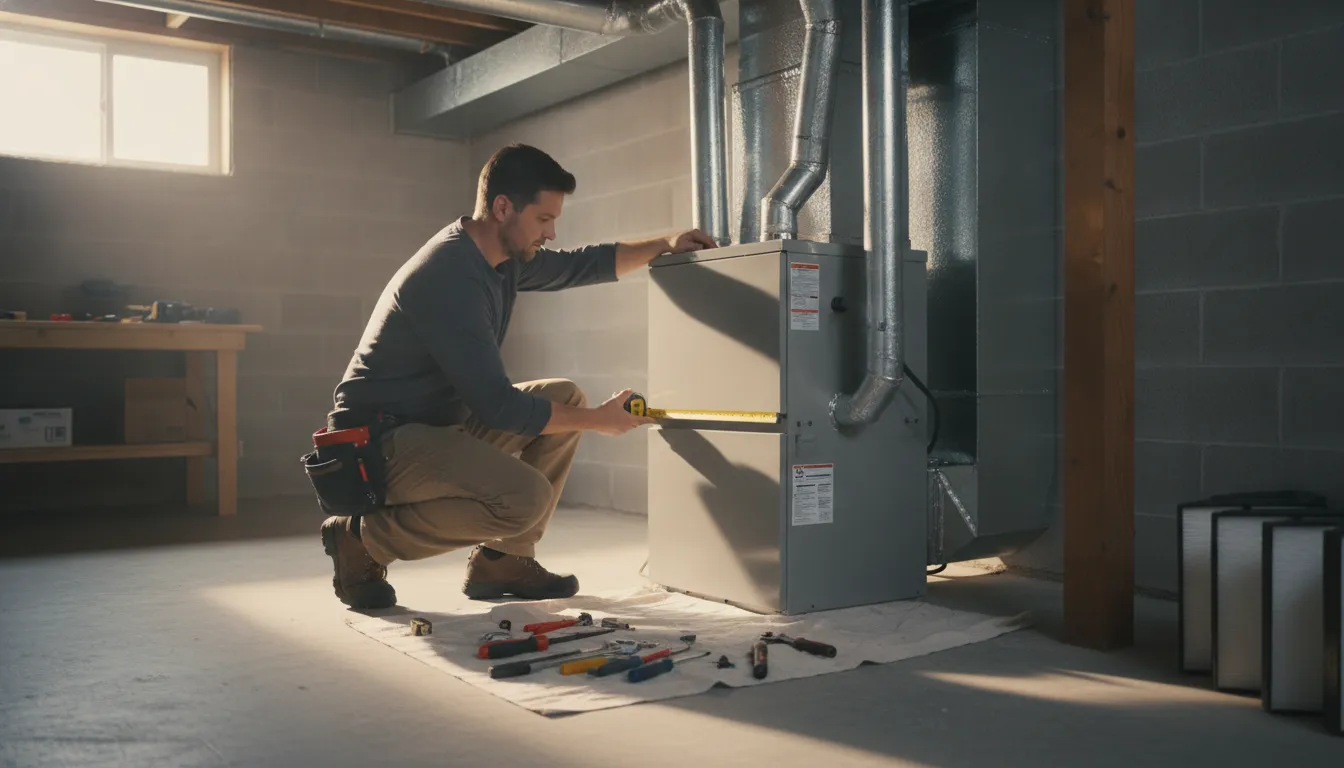
- Assess the home and existing system. The technician reviews the current furnace, ductwork, fuel supply, venting path, electrical service, thermostat, and available installation space. This is also the time to discuss comfort concerns, airflow, noise, and any access limitations.
- Confirm sizing and equipment selection. The replacement should be matched to the home's heating needs and the existing system's configuration, not selected by cabinet size alone. FEMP residential guidance covers natural gas, propane, and oil-fired furnaces under 225,000 Btu/h. It excludes commercial furnaces rated at 225,000 Btu/h or greater and weatherized furnaces, so confirm that the guidance and equipment category fit your project.
- Remove the old furnace. The crew disconnects the existing unit, removes it safely, and clarifies how the old equipment will be handled. Ask whether disposal and any needed preparation of the platform or work area are part of the scope.
- Complete connections and venting. Installation may involve fuel, electrical, condensate, duct, flue, and combustion-air connections, depending on the equipment and home. The technician should verify that each connection and the venting arrangement are appropriate for the selected system.
- Install controls and start up the system. Thermostat wiring and control settings are checked, then the furnace is started. The technician should observe ignition, airflow, temperature operation, and normal cycling rather than leaving immediately after power-up.
- Perform safety checks and explain the result. Before handoff, ask what safety tests were completed, what filters or routine maintenance the system needs, and what signs should prompt a service call. Permit and local-code requirements, as well as manufacturer warranty registration and coverage, should be confirmed for the specific installation rather than assumed.
- Complete the homeowner handoff. A thorough closeout covers thermostat use, shutoff locations, documentation, warranty steps, and whom to contact with questions. You can learn about Brilliant Home Services before choosing an installation partner.
What Furnace Replacement Barrington Homeowners Should Prepare For
A little preparation can make a furnace replacement conversation more useful and help your installer understand what your home needs. Gather your current system details, note comfort or safety concerns, and think about timing before severe cold arrives.
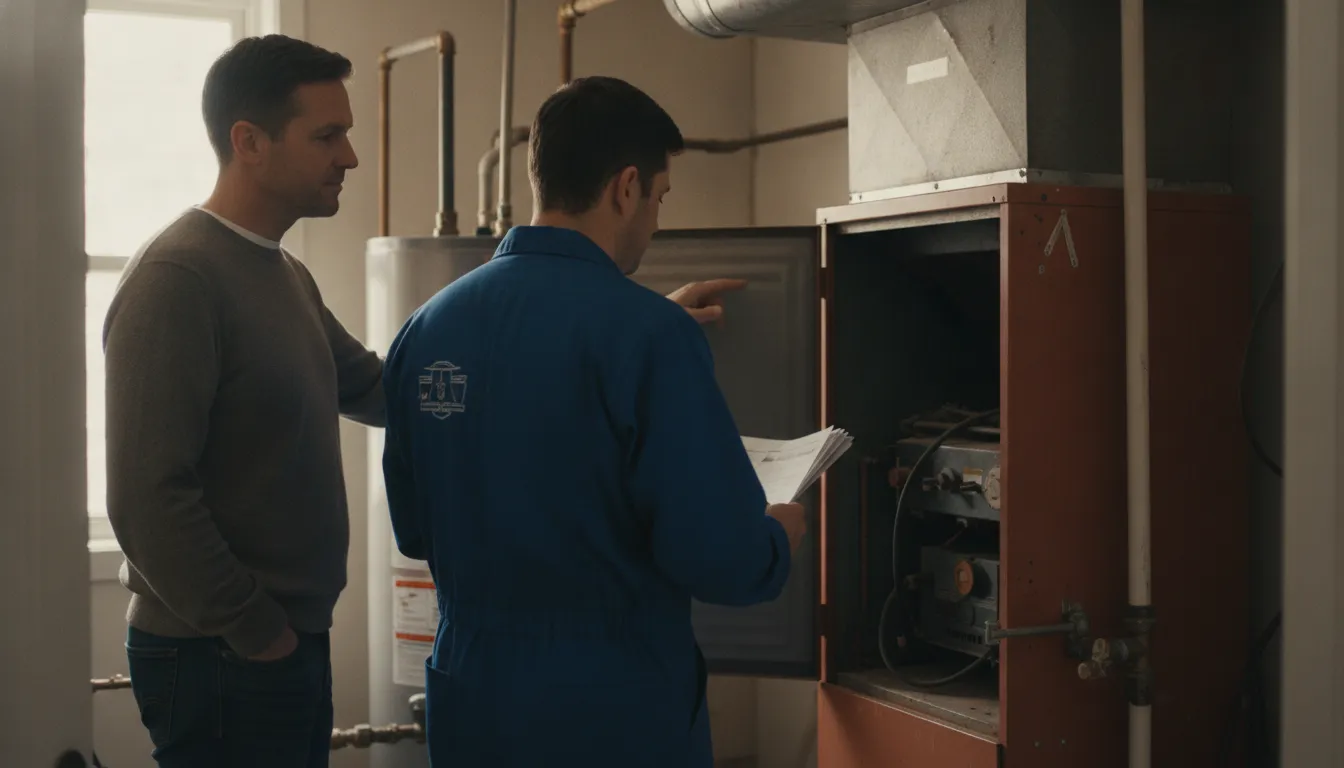
Bring the right information to the appointment
- Record the furnace make, model, approximate age, and recent repair history if available.
- Note rooms that feel too cold, uneven airflow, unusual sounds, cycling problems, or recurring thermostat issues.
- Ask how sizing will be evaluated, what installation work is included, and whether ductwork, venting, controls, or other connections need attention.
- Request written options that clearly separate the recommended equipment and installation scope.
Plan before the next cold snap
Scheduling an evaluation before the heating season is at its most demanding gives you more time to compare options and make a deliberate decision. A quote should reflect the home and project requirements, rather than a one-size-fits-all number. Brilliant Home Services provides heating installation for Barrington and nearby Chicagoland communities.
If replacement is not immediate, do not attempt DIY gas or electrical work. Arrange a professional evaluation, keep maintenance records current, and monitor changes in comfort, operation, or safety. Contact the team through the service page to discuss the next appropriate step.
Schedule Service Now: (847) 588-2533
Use these questions to make the most of your replacement consultation and compare your options with greater confidence.
Frequently Asked Questions
Is there a simple furnace repair-or-replace rule?
There is no universal shortcut that fits every furnace or home. A repair-versus-replace decision should consider the furnace's condition, safety, expected remaining service, efficiency, repair scope, and how the work fits your home. A qualified inspection gives you better information than applying one fixed threshold.
Are furnace prices going up in 2026?
Equipment and installation costs can change with equipment selection, labor, supply conditions, and the requirements of a particular home. Rather than rely on a broad prediction, request a current, project-specific quote. Brilliant Home Services does not publish service-specific furnace prices because the scope must be evaluated directly.
How much does a service call for a furnace cost?
There is no responsible universal answer without knowing the visit's purpose and the home's needs. A diagnostic visit, repair, maintenance appointment, or replacement consultation may involve different work. Ask what the appointment includes and request clear pricing before authorizing additional work. You can contact Brilliant Home Services to discuss furnace service in Barrington.
What is the most expensive thing to fix on a furnace?
The costliest repair depends on the furnace design, failed component, accessibility, and whether related venting, controls, or ductwork also need attention. An inspection should identify the actual failure and explain repair options. If several major issues are present, compare the repair scope with replacement based on the home's heating needs rather than one component alone.
Schedule Furnace Replacement Service in Barrington
A thoughtful evaluation can help you understand your replacement options and plan the work around your home's needs. For furnace replacement planning in Barrington, call Brilliant Home Services at 847-588-2533 or Schedule Service Now.
Ready to Get Started?
Contact Brilliant Home Services for professional, reliable service in Chicagoland. We are available 24/7 for emergencies.