Furnace Repair Barrington IL: Heat Out? What to Do
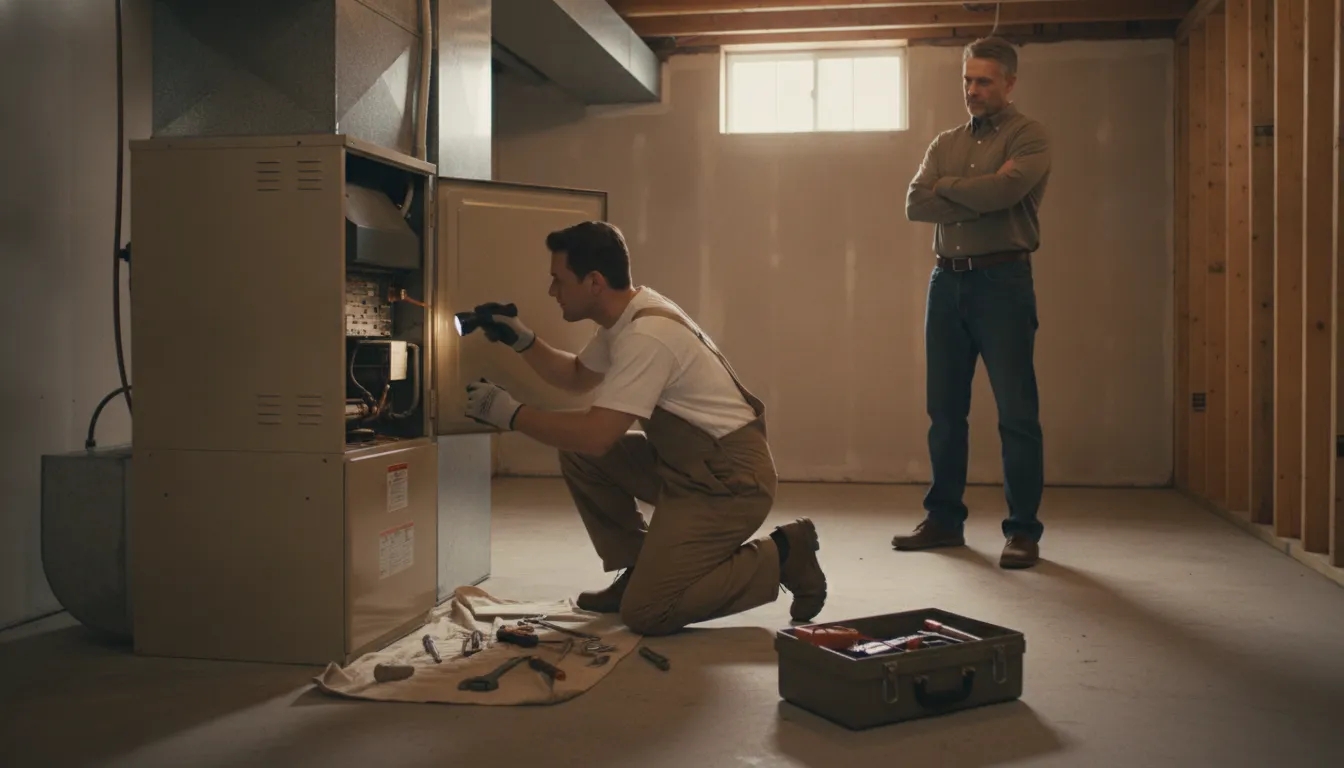
When a Barrington furnace stops heating, the priority is restoring safe, dependable warmth. Do not guess at a hidden equipment problem. A few basic checks can reveal a thermostat setting, power interruption, dirty filter, or fuel supply issue. Homeowners should not open the furnace cabinet or attempt gas, electrical, or combustion repairs.
For furnace repair Barrington IL, homeowners should first check the thermostat mode and temperature. Confirm the furnace has power, inspect the filter, and verify the fuel supply if applicable. If the system still blows cold air, makes unusual sounds, shows damage, or raises a gas or carbon monoxide concern, shut it down. Leave the area when appropriate, and contact a qualified professional.
This guide explains what to check safely, which problems technicians commonly investigate, what affects repair decisions, and how emergency service works. For broader guidance on local heating and electrical needs, read HVAC and Lighting Services for Northwest Chicagoland Homeowners. Start with the simple checks that can help you describe the problem clearly when you call.
Furnace not working in Barrington this winter? Here is what to check first
Quick answer: If your furnace is not heating, check the thermostat, electrical power, filter, and fuel supply from outside the equipment cabinet. Do not remove panels, handle gas connections, or attempt electrical repairs. These checks may reveal a simple interruption, but they cannot confirm the cause. If the problem continues, contact a qualified heating professional for a safe inspection.
Before you begin, stop and leave the home if you smell gas, see smoke, notice sparking, or hear a carbon monoxide alarm. Do not operate switches or use an open flame. Move to fresh air and contact the appropriate emergency service or utility from outside. Carbon monoxide is odorless, colorless, and toxic, so never rely on smell to identify a dangerous condition. The EPA advises getting to fresh air immediately and seeking medical attention when exposure is suspected.
- Check the thermostat. Confirm it is set to heat, the setpoint is above the current room temperature, and the display is active. If the display is blank, replace the batteries if your model uses them.
- Check power without opening the furnace. Look for a tripped breaker or a nearby service switch that was turned off. Reset a breaker only once. If it trips again, leave it off and call for service.
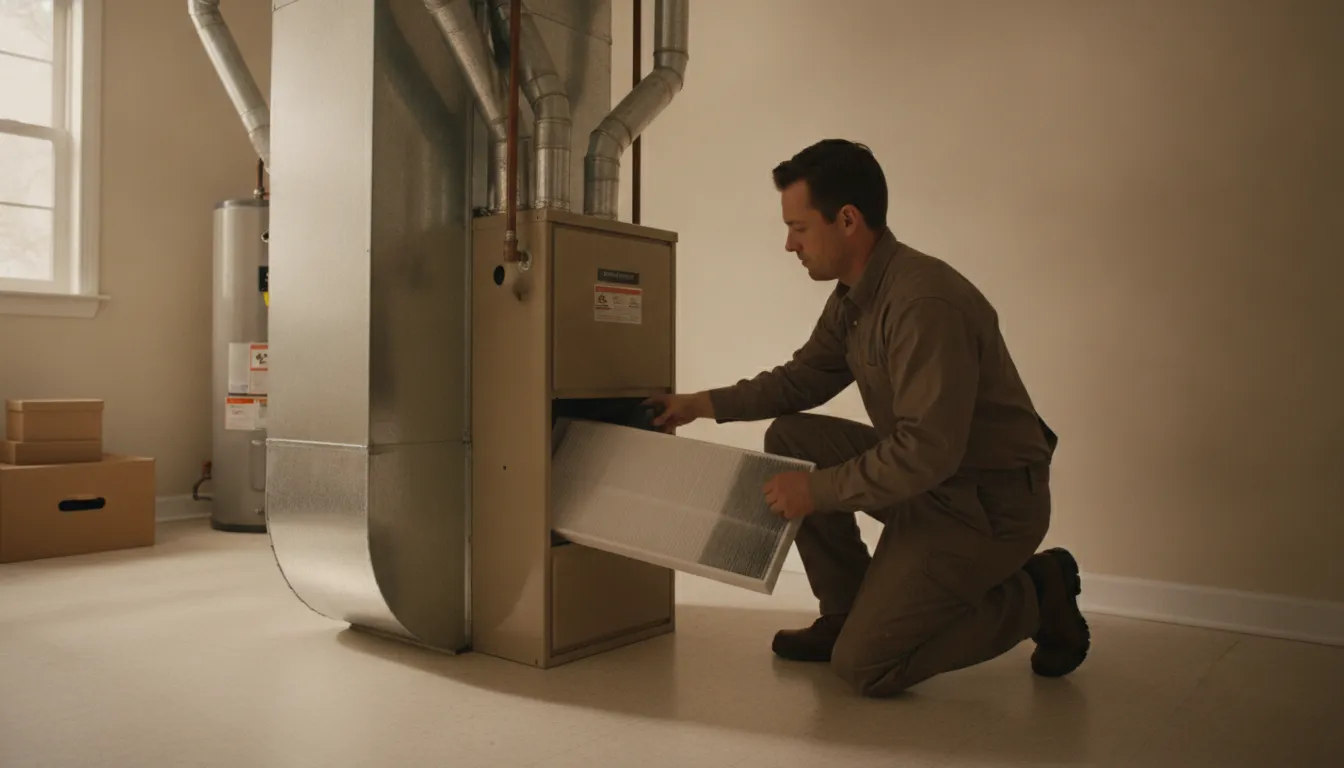
- Inspect the filter. A heavily loaded filter can restrict airflow. Replace it only with the correct size and type recommended for your system. Do not operate the furnace without a filter.
- Look at the fuel supply from a safe distance. If your system uses gas, do not touch the gas line or valve. If you suspect a supply problem, smell gas, or see an unusual flame or residue, leave the home and get help.
- Check registers and symptoms. Make sure supply registers are not blocked by furniture, rugs, or drapes. Note whether the furnace is silent, blowing cold air, cycling repeatedly, or making an unusual sound. Share those details with the technician.
If these steps do not restore heat, avoid repeated resets or DIY repairs. You can review HVAC and Lighting Services for Northwest Chicagoland Homeowners for service context, then contact Brilliant Home Services to discuss furnace repair in Barrington IL.
What are the most common furnace problems in northwest Chicagoland homes?
When a furnace behaves differently, the symptom can point to several possible causes. A furnace that runs but does not heat well, cycles repeatedly, or stops before reaching the thermostat setting needs careful evaluation. The categories below can help you describe the problem, but they do not confirm a diagnosis.
Restricted airflow
A clogged filter, blocked return, closed register, or issue inside the blower system can reduce airflow. You may notice weak air from the vents, uneven room temperatures, or a furnace that runs longer than usual. Keep filters and warm-air registers maintained according to the equipment manufacturer's guidance. If a filter change does not improve airflow, avoid opening the furnace cabinet and have the system inspected.
Thermostat or electrical faults
A thermostat with incorrect settings, depleted batteries, a tripped breaker, or a loose electrical connection can interrupt a call for heat. These issues may look similar to a furnace failure from inside the home. A technician can test the control circuit and safety components rather than replacing parts based only on the symptom.
Ignition and flame-sensing issues
Gas furnaces must establish and maintain a flame safely. A dirty or failing igniter, flame sensor, or related control can cause delayed ignition, repeated shutdowns, or cool air after the blower starts. Do not attempt to bypass a safety control. If you smell gas, leave the home and contact the appropriate emergency or utility service.
Condensate and drain problems
High-efficiency furnaces produce condensate that must drain correctly. A blocked hose, drain, or trap can trigger a safety shutdown or leave water near the equipment. Because water and electrical components can create additional hazards, professional inspection is the safest next step.
Aging or worn components
Motors, belts, bearings, controls, and other parts can wear over time. A new noise, burning odor, short cycling, or recurring loss of heat deserves attention, even if the furnace restarts. For troubleshooting and heating support, review Brilliant Home Services heating services and schedule an inspection when the cause is not clear.
What affects furnace repair cost in Illinois?
There is no reliable one-size-fits-all answer to furnace repair cost. A technician needs to identify the problem, confirm the condition of the system, and determine whether the repair can be completed safely. The final estimate may reflect several factors beyond the visible symptom, such as a furnace that stops heating or makes unusual noises.
| Cost factor | Why it matters | Homeowner question |
|---|---|---|
| Diagnosis and labor | The technician must test the system and safely access the failed component. | What did the inspection find, and what work is included? |
| Parts and availability | The needed component, its compatibility, and its availability can affect the repair scope. | Which part needs attention, and is it appropriate for this furnace? |
| System type and condition | Different equipment designs require different procedures. Age, wear, and related defects may also influence the recommendation. | Is this an isolated repair or a sign of a broader system issue? |
| Access and code requirements | Limited access or required safety and code work can expand the project beyond a simple component replacement. | Are any access, safety, permit, or code concerns part of the estimate? |
Brilliant Home Services describes its approach as upfront pricing and customized estimates based on the project. Ask for the diagnosis, recommended repair, and what is included before authorizing work. For help with heating services in Barrington and nearby communities, contact a qualified professional rather than choosing solely on the lowest initial quote.
Should you repair or replace a furnace?
There is no single age, symptom, or repair bill that decides the answer for every home. The right choice depends on the condition of the equipment, the cause of the failure, safety findings, expected reliability, and how well the system serves the home. A qualified technician should explain both options rather than treating replacement as the automatic solution.
When repair may make sense
Repair is often the more practical path when the problem is isolated and the rest of the furnace is operating safely. The technician should identify the failed component, inspect related controls, and confirm that airflow, ignition, venting, and combustion are functioning as intended. A repair can also be reasonable when the equipment has been maintained well and the homeowner is comfortable keeping the existing system.
When replacement deserves consideration
Replacement may be worth discussing when the furnace has recurring problems, significant safety concerns, extensive deterioration, or performance that no longer meets the household's needs. A new system should be evaluated as part of the home, not in isolation. The contractor can compare equipment specifications, installation requirements, ductwork, thermostat controls, and available efficiency information. The U.S. Department of Energy recommends comparing energy use among heating equipment options and looking for the ENERGY STAR label when purchasing new products: learn more about home heating systems.
Questions to ask before deciding
- What failed, and what evidence supports that diagnosis?
- Are there safety issues involving combustion, venting, electrical components, or carbon monoxide?
- What other components were inspected, and what condition are they in?
- What does each option include, and how could installation affect the home's comfort?
For dependable guidance on furnace repair and heating services in Barrington, schedule an evaluation before committing to either path.
What should you expect from furnace repair in Barrington, IL?
A heating failure can become a safety concern quickly during a Barrington winter, especially when the home includes children, older adults, or anyone with health needs. Emergency service should begin with safe decisions, clear information, and a careful diagnosis rather than a rushed guess.
- Address immediate safety concerns. If you smell gas, see smoke, or suspect carbon monoxide, do not keep testing the furnace. Leave the home and contact the appropriate emergency authority or utility from a safe location. Carbon monoxide is odorless, colorless, and toxic. The EPA advises getting to fresh air immediately and seeking medical attention when exposure is suspected. Review EPA carbon monoxide safety guidance for additional precautions.
- Share useful details when you call. Note whether the furnace is completely off, blowing cold air, making unusual sounds, or showing an error code. Tell the technician about any recent power interruption, filter change, or thermostat adjustment. Avoid opening panels or attempting a repair if you are not trained to do so.
- Expect an inspection before a recommendation. A technician may evaluate controls, airflow, ignition, electrical components, fuel supply, and other system conditions. The outcome could be a repair, a recommendation for maintenance, or a discussion of replacement options. Arrival and repair times depend on the situation, equipment, parts, and service conditions, so no responsible provider should promise an exact timeline before assessing the furnace.
- Choose a documented next step. Brilliant Home Services states that it provides 24/7/365 emergency service for heating needs in Barrington and nearby communities. For help with furnace repair and maintenance, call (847) 588-2533 or Schedule Service Now. Ask what was found, what work is recommended, and what safe temporary steps to take while service is arranged.
How can Barrington homeowners prepare for furnace service?
A little preparation helps a technician understand the problem and inspect the system efficiently. Before the appointment, make a short note of what you have observed:
- Record the symptoms. Note when the issue began, whether the furnace blows cool air, cycles on and off, makes unusual sounds, or leaves some rooms cold. Share any recent electrical, thermostat, or comfort changes.
- Check the thermostat. Confirm the system is set to heat, the temperature is above the room temperature, and the batteries are working if applicable. Do not keep resetting equipment that shows a safety fault.
- Inspect the filter. If it is visibly dirty, have the correct replacement available or replace it according to the manufacturer's instructions. The Department of Energy recommends cleaning or replacing furnace filters monthly or as recommended: learn more about heating maintenance.
- Clear the work area. Move storage, boxes, and household items away from the furnace, surrounding controls, and nearby access panels. Do not open sealed equipment or attempt a gas or electrical repair.
- Gather system details. Have the model and serial number, recent maintenance records, prior repair notes, and filter size ready. If you are unsure where to find them, a photo of the equipment label can help.
Prepare questions about the suspected issue, repair options, maintenance needs, and what should be monitored afterward. For help from a family-owned local provider, learn about Brilliant Home Services or schedule service.
Frequently Asked Questions
What should I check before calling for furnace repair?
Confirm the thermostat is set to heat, check that the temperature setting is above the room temperature, and verify power to the furnace. You can also inspect the filter, confirm the fuel supply if applicable, and make sure supply registers are open and unobstructed. Do not remove equipment panels or attempt gas or electrical repairs.
Should I turn off my furnace before a technician arrives?
Leave the system available for diagnosis unless it is sparking, producing smoke or a burning smell, or creating another immediate safety concern. If you smell gas or suspect carbon monoxide, leave the home and contact the appropriate emergency authority or utility. Do not re-enter until it is safe.
How do I know whether a furnace problem is an emergency?
Loss of heat during severe weather, unusual burning odors, smoke, sparking, suspected gas leaks, or a carbon monoxide alarm should be treated seriously. Carbon monoxide is odorless and colorless, so leave immediately if exposure is suspected and get to fresh air. The EPA also advises seeking medical attention when carbon monoxide poisoning is suspected: EPA carbon monoxide guidance.
What affects the cost of furnace repair?
The final cost depends on the diagnosis, labor, parts, system type, accessibility, equipment condition, and the scope of the repair. Code or permit requirements may also matter. Because each furnace and failure is different, ask what was found, which options are available, and what is included before approving work.
When should I repair my furnace instead of replacing it?
A technician should evaluate the system's condition, repair scope, safety, reliability, and ongoing operating concerns before recommending either option. Ask for a clear explanation of the repair and replacement choices, including equipment information and expected maintenance needs. There is no universal repair-versus-replacement answer for every home.
Schedule Furnace Repair Service in Barrington
If your furnace is not keeping your home comfortable, a professional evaluation can help identify the problem and clarify your repair or replacement options. Schedule service now with Brilliant Home Services through the contact page, or call 847-588-2533 to discuss the next step with the team.
Ready to Get Started?
Contact Brilliant Home Services for professional, reliable service in Chicagoland. We are available 24/7 for emergencies.