Electrical Outlet Installation and Repair in Barrington, IL
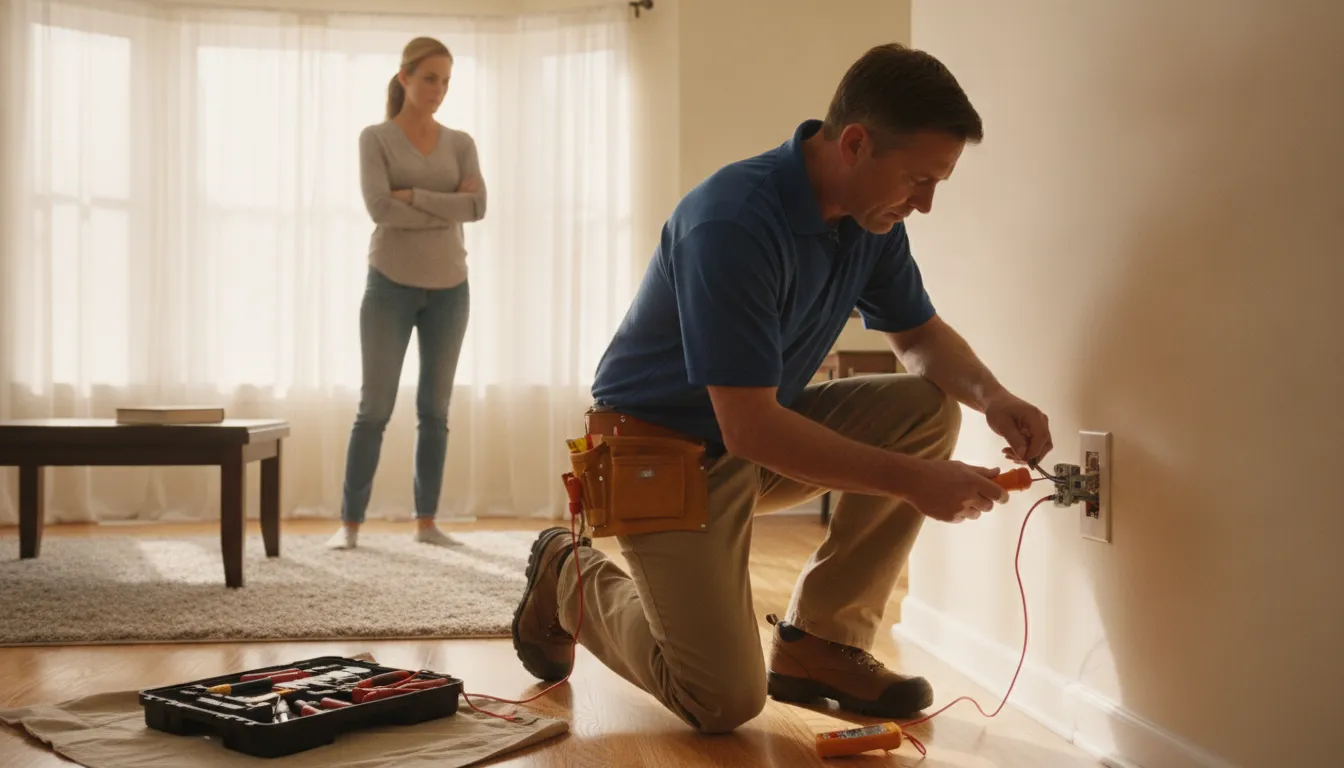
An outlet that feels loose, runs hot, sparks, or stops working is more than a minor inconvenience. It can point to a worn receptacle, a poor connection, circuit trouble, or missing protection. Avoid opening the electrical box or repeatedly resetting a tripped outlet until the cause is clear.
Electrical Outlet Installation and Repair in Barrington, IL should begin with a professional assessment when an outlet shows heat, burning, sparking, recurring trips, or other unusual behavior. A qualified electrician can evaluate the outlet, connections, grounding, circuit load, and appropriate protection, then explain whether repair, replacement, GFCI protection, or a new installation makes sense.
Brilliant Home Services provides residential outlet installation, repair, troubleshooting, and inspection through its Electrical Services for Barrington and Northwest Chicago Suburbs. Understanding the warning signs is the first step toward knowing when an outlet problem calls for an electrician.
When should you call an electrician for outlet problems?
Some outlet issues are inconvenient, while others indicate a problem that should be evaluated promptly. If an outlet feels hot, smells burnt, sparks, or shows discoloration, stop using it and arrange a professional inspection. Burning or darkened marks can be associated with arcing from loose or corroded connections, and arcing can create enough heat to damage the outlet housing. These warning signs deserve more than a cosmetic replacement because the underlying connection or circuit may also need attention.
You should also call when a breaker trips repeatedly after an appliance is plugged in. The same applies when an outlet makes crackling or buzzing sounds, or when a plug fits loosely and falls out. Repeated tripping can point to a fault, an overloaded circuit, or a problem with the appliance. Flickering lights near the same circuit, a tingling sensation, or visible damage around the receptacle are additional reasons to stop troubleshooting on your own. Research on local electrical warning signs commonly groups sparking, burnt outlets, overloaded outlets, flickering fixtures, and tripping breakers among concerns that warrant professional attention. Rely on an electrician to assess the specific condition in your home.
- Heat, smoke, a burning odor, melting, or brown and black discoloration
- Sparking, crackling, buzzing, or a visible flash when using the outlet
- A plug that will not stay firmly in place or an outlet that moves in the wall
- A breaker or protective device that trips repeatedly
- Water exposure, corrosion, or damage to an indoor or outdoor receptacle
- Tingling, shocks, flickering, or several devices losing power at once
Do not remove the outlet cover, probe the wiring, bypass a tripping protective device, or keep testing an outlet that is hot or damaged. Turn off and unplug equipment if you can do so without touching a compromised receptacle. If there is smoke, active sparking, or a strong burning smell, move away from the area and call for urgent help. A qualified electrician can inspect the receptacle, connections, grounding, circuit load, and required protection instead of treating only the visible symptom.
Brilliant Home Services provides electrical troubleshooting and inspection for faulty outlets and electrical malfunctions. Its licensed, bonded, and insured electricians can help determine whether the right solution is a repair, replacement, added protection, or broader circuit work. For local help, contact a Barrington electrician and describe what you observed, including when the issue occurs and whether a breaker has tripped.
What types of outlets can a licensed electrician install in Barrington?
The right receptacle depends on the home's wiring, the circuit, the room, and how the outlet will be used. A licensed electrician can assess the existing connections, grounding, circuit load, and required protection before recommending an installation or replacement. That matters in older Barrington homes, where a two-pronged receptacle may indicate wiring installed before 1962. The Electrical Safety Foundation International's outlet guide explains why the visible outlet style is only one part of the safety picture.
Grounded receptacles
A grounded receptacle has a third opening connected to a grounding path. That ground can reduce the risk of electric shock and help protect equipment from electrical damage. Grounding-type receptacles were first required for all 15- and 20-ampere receptacle outlets in the 1971 edition of the National Electrical Code. But an electrician still needs to verify that an older outlet box and circuit are properly grounded. Replacing a two-slot faceplate alone does not create a safe grounding path.
Tamper-resistant receptacles
Tamper-resistant receptacles are designed to reduce the chance that a child can insert a small object into one slot. Built-in shutters stay closed unless equal pressure is applied to both slots by a plug. ESFI notes that outlet covers do not provide adequate child protection compared with tamper-resistant receptacles, which have been required by the NEC since 2008. These outlets can be a practical upgrade for family spaces, bedrooms, and other areas where children may be present. A damaged plug with cracked or creased blades should never be used in any receptacle.
AFCI receptacles
An arc-fault circuit interrupter, or AFCI, is intended to reduce fire risk by interrupting power when it detects an arc fault anywhere in the circuit. Arcing can involve damaged, overheated, or stressed wiring and devices, including problems within walls, at loose connections, or in electrical cords. ESFI's outlet upgrade guidance cites a Consumer Product Safety Commission estimate that AFCIs could prevent more than half of electrical fires occurring each year. AFCI needs should be evaluated as part of the circuit, not selected by appearance alone.
Specialty and surge-protection receptacles
Some locations call for a receptacle with a more specific protective role. Surge-suppression receptacles help protect sensitive electronic equipment from transient surges, which can be useful near home office equipment, entertainment systems, or other valuable electronics. Other specialty choices may relate to the environment or appliance being served. The electrician can match the receptacle to the circuit and use case, then check secure mounting, connections, functionality, and protection before completing the work.
ESFI recommends that all outlet installations be performed by a qualified electrician. Professional electrical installation and repair can help ensure the new receptacle is selected and installed as part of a safe, properly evaluated system.
Where are GFCI outlets required and how do they protect a home?
Ground-fault circuit interrupters, commonly called GFCIs, are designed to reduce the risk of electric shock in areas where electricity may come into contact with water. They monitor the flow of electricity through a circuit. If the current leaving the circuit differs from the current returning, the difference can indicate leakage through an unintended path. The GFCI responds by shutting off power quickly. According to the Electrical Safety Foundation International, that response can occur in as little as one-fortieth of a second.

What does GFCI protection do?
A GFCI is not simply a resettable outlet. It is a safety device that watches for a ground fault and interrupts power before a dangerous shock can continue. This protection is especially important around sinks, damp floors, outdoor equipment, and other locations where moisture can change the path electricity takes. A GFCI does not correct damaged wiring, a loose connection, an overloaded circuit, or an appliance problem. If it trips repeatedly, the interruption is a reason to investigate the underlying condition rather than repeatedly restoring power without evaluation.
Which areas commonly need GFCI outlets?
The National Electrical Code requires GFCI protection in locations where water and electricity are close together. Common examples identified by ESFI include bathrooms, garages, kitchens, laundry areas, and receptacles located outdoors. Exact requirements can depend on the home's wiring, the location of the receptacle, and the applicable code requirements for the installation. A qualified electrician can assess the existing protection before adding, relocating, or replacing an outlet.
- Bathrooms, especially receptacles near sinks or other water sources
- Kitchens and laundry areas where appliances and moisture are present
- Garages and other utility areas
- Outdoor receptacles exposed to changing weather conditions
How should GFCI testing and repairs be handled?
ESFI recommends testing GFCI and AFCI outlets monthly. Follow the test and reset labels on the device, and stop if the outlet behaves unexpectedly, will not reset, feels warm, or shows discoloration. Testing is different from opening the outlet box or attempting to change wiring. Do not remove the cover, bypass the protection, or try to repair hazardous wiring yourself. Burning, sparking, heat, recurring trips, or a GFCI that will not function should receive professional attention.
For Electrical Outlet Installation and Repair in Barrington, IL, an electrician can check the outlet condition, connections, grounding, circuit load, and required protection. That evaluation helps determine whether the issue is the receptacle itself or a larger circuit concern, while keeping the repair focused on safe, code-conscious work.
What affects the cost of outlet installation and repair in Illinois?
There is no single price that applies to every outlet project. A straightforward replacement may involve very different work from diagnosing a dead receptacle, adding an outlet in a finished wall, or correcting an underlying wiring concern. For that reason, a responsible estimate starts with the condition of the outlet and the electrical system around it, not with a generic figure.
Brilliant Home Services does not publish job-specific outlet prices. The estimate reflects the actual scope and location of the work after the situation is understood. Outlet installation and repair is part of the company's residential and commercial electrical services, which also include wiring, panel work, lighting, and surge protection.
| Estimate factor | What the electrician evaluates | Why it matters |
|---|---|---|
| Type of work | Repair, replacement, relocation, or a completely new installation | Each option involves a different scope, access needs, and finishing requirements. |
| Outlet condition | Loose fit, visible damage, heat, discoloration, sparking, or recurring trips | Symptoms may point to a receptacle problem or a deeper connection and wiring issue. |
| Circuit and wiring | Connections, grounding, circuit load, and the protection appropriate for the location | The outlet must work safely with the circuit and the equipment it serves. |
| Location and access | Room, wall type, finished surfaces, moisture exposure, and accessibility | Access and environmental conditions can change the work required to complete the job correctly. |
Safety symptoms should be treated as information, not as a reason to guess at the repair. Burning, sparking, unusual heat, or repeated breaker trips deserve professional evaluation before the outlet is used again. A licensed, bonded, and insured electrician can identify whether the issue is limited to the receptacle or involves connections, grounding, circuit capacity, or required protection. Electrical work should follow applicable industry codes and be completed as a durable installation, rather than simply making the visible symptom disappear.
When you are ready to discuss an outlet concern, share what you have observed, where the outlet is located, and whether the problem is constant or intermittent. Schedule Service Now to request an estimate based on the actual work needed in your Illinois home.
Can you install an outlet yourself in Illinois?
For most Illinois homeowners, the safest answer is no. Replacing a faceplate or observing an outlet's condition is one thing. Installing a receptacle, changing connections, extending a circuit, or troubleshooting wiring inside the wall is electrical work that should be handled by a qualified electrician. The Electrical Safety Foundation International (ESFI) states that all outlet installations should be performed by a qualified electrician, including work in new and renovated homes: ESFI's outlet safety guidance.
That boundary is not meant to discourage routine home maintenance. It helps separate low-risk observations from tasks where an unseen wiring, grounding, load, or protection issue can affect the entire circuit. Use the following decision guide before touching an outlet.
- Start with observation, not disassembly. Look for visible cracks, looseness, discoloration, scorch marks, moisture exposure, or a plug that will not stay firmly in place. Do not remove the cover plate, pull the receptacle from the electrical box, or investigate wiring behind it. A damaged plug with cracked or creased blades should not be used in any receptacle, according to ESFI.
- Stop using the outlet when there is a warning sign. Heat, burning, sparking, smoke, buzzing, a burnt smell, or recurring breaker trips calls for professional evaluation. Turn off and unplug equipment only if you can do so safely without approaching a hot, smoking, or actively sparking outlet. Do not repeatedly reset a tripped breaker or GFCI to keep a problem operating.
- Consider the location and protection involved. Bathrooms, garages, kitchens, laundry areas, and outdoor receptacles are locations where water and electricity may be close together, so ESFI identifies them as places for GFCI protection. New or renovated homes may also involve GFCI, AFCI, and tamper-resistant receptacle requirements. Selecting the right device is not simply a matter of matching its appearance.
- Call a qualified professional for installation or repair. A proper assessment can look beyond the outlet to its connections, grounding, circuit load, and required protection. Brilliant Home Services states that its electrical work is performed by licensed, bonded, and insured electricians. Review the company's electrical services to request help with outlet installation, repair, inspection, or troubleshooting.
- Ask for testing after the work is complete. Professional installation should include secure mounting, correct connections, functional testing, and attention to applicable safety standards. The goal is a dependable, code-conscious repair or installation, not just an outlet that appears to work when a device is plugged in.
In short, homeowners can identify symptoms and make a safe decision to stop using a questionable receptacle. They should leave outlet installation and hazardous repair work to a qualified electrician. That approach keeps the evaluation practical, avoids fear-based decisions, and addresses the underlying electrical issue instead of hiding it behind a new cover or device.
How does electrical outlet installation and repair in Barrington, IL work?
A professional outlet visit begins with a conversation about what you have noticed: a loose receptacle, intermittent power, heat, discoloration, sparks, or a breaker that keeps tripping. The electrician then examines the outlet and surrounding area without assuming that replacing the visible device will solve the underlying problem. Troubleshooting may include checking the outlet condition, wiring connections, grounding, circuit load, and whether the location needs protection such as GFCI or AFCI.
1. Assessment and diagnosis
The first goal is to identify the actual cause and define the safest solution. A qualified electrician may inspect related devices on the circuit, look for signs of damaged wiring, and consider how the outlet is being used. This matters because an outlet can appear worn while the concern is elsewhere in the circuit. For hazardous symptoms such as burning, sparking, unusual heat, or recurring trips, stop using the outlet and request professional evaluation. Brilliant Home Services lists electrical troubleshooting and inspections for faulty outlets and electrical malfunctions as part of its electrical installation and repair services.
2. Repair or installation plan
After the assessment, the electrician explains the available repair or replacement approach. Depending on the home and the circuit, that may involve securing or replacing the receptacle. Addressing a wiring connection, improving grounding, or installing a receptacle with the protection appropriate for its location and use. New installations also require attention to positioning, secure mounting, correct wiring, and compatibility with the existing electrical system. ESFI advises that outlet installations be performed by a qualified electrician, particularly in new or renovated homes: read the electrical safety guidance.
3. Installation, testing, and follow-up
Once the scope is clear, licensed, bonded, and insured electricians complete the approved work with code-conscious practices. Professional installation includes secure mounting, functionality testing, and confirming that the outlet operates as intended. The customer should receive practical guidance about safe use and any follow-up inspection or maintenance that may be appropriate. If a protective device is present, ask how it should be tested and what a failed test means.
Brilliant Home Services is family-owned and has served homeowners and businesses since 1956. Its Barrington roots and service coverage across northwest Chicagoland make a local point of contact useful when an outlet issue needs timely attention. Learn more about Brilliant Home Services' local experience or connect with a Barrington electrician. For urgent electrical concerns, the company lists 24/7/365 emergency service. When you are ready to discuss a faulty or new outlet, Schedule Service Now.
Frequently Asked Questions
What are the requirements for electrical outlets in Illinois?
Requirements can depend on the home's wiring, the outlet location, the type of work, and the current code adopted for the project. A professional assessment should check grounding, circuit load, outlet condition, and whether GFCI or AFCI protection is appropriate. Grounding-type receptacles were first required for all 15- and 20-amp receptacles in the 1971 National Electrical Code edition. While tamper-resistant receptacles have been required by the 2008 NEC, according to the Electrical Safety Foundation International. An electrician can explain which options fit your Barrington home without guessing at a legal requirement.
What causes outlets to burn or discolor?
Burning, browning, melted plastic, heat, or a burning odor can indicate arcing, a loose connection, an overloaded circuit, or another wiring problem. Stop using the outlet and keep flammable items away from it. Do not remove the cover or attempt to tighten wiring yourself. Arrange a professional evaluation, especially if the outlet is sparking, warm, or repeatedly trips a breaker.
Are outdoor outlets different from indoor ones?
Yes. Outdoor receptacles must be selected and installed for exposure to moisture and changing weather. Depending on the location and applicable requirements, that may include GFCI protection and an appropriate weather-resistant, in-use cover. Have an electrician evaluate the outlet, cover, grounding, and surrounding wiring rather than relying on an indoor receptacle or a temporary extension cord.
Should I replace all old outlets at once?
Not necessarily. The right scope depends on the age and condition of the outlets, whether they are grounded, signs of heat or damage, and the protection the home needs. Older two-pronged receptacles may indicate wiring installed before 1962, according to ESFI. A room-by-room inspection can identify urgent repairs and sensible upgrades without assuming that every outlet must be replaced immediately.
How does a GFCI outlet protect my home?
A ground-fault circuit interrupter, or GFCI, monitors electrical flow and quickly shuts off power when it detects a leakage difference that could cause shock. GFCIs are used where water and electricity are close, including bathrooms, kitchens, garages, laundry areas, and outdoors, according to ESFI. Test GFCI and AFCI outlets monthly. If a GFCI will not reset, trips repeatedly, or shows damage, stop using it and call an electrician.
Schedule Your Outlet Service
Safe, reliable outlets start with the right assessment of the outlet condition, connections, grounding, circuit load, and protection. If you need electrical outlet installation or repair in Barrington, contact Brilliant Home Services to discuss the next step. Schedule Service Now for professional help with outlet repairs, replacements, GFCI concerns, or new installation.
Ready to Get Started?
Contact Brilliant Home Services for professional, reliable service in Chicagoland. We are available 24/7 for emergencies.