When Is an Electrical Problem an Emergency? A Homeowner Guide
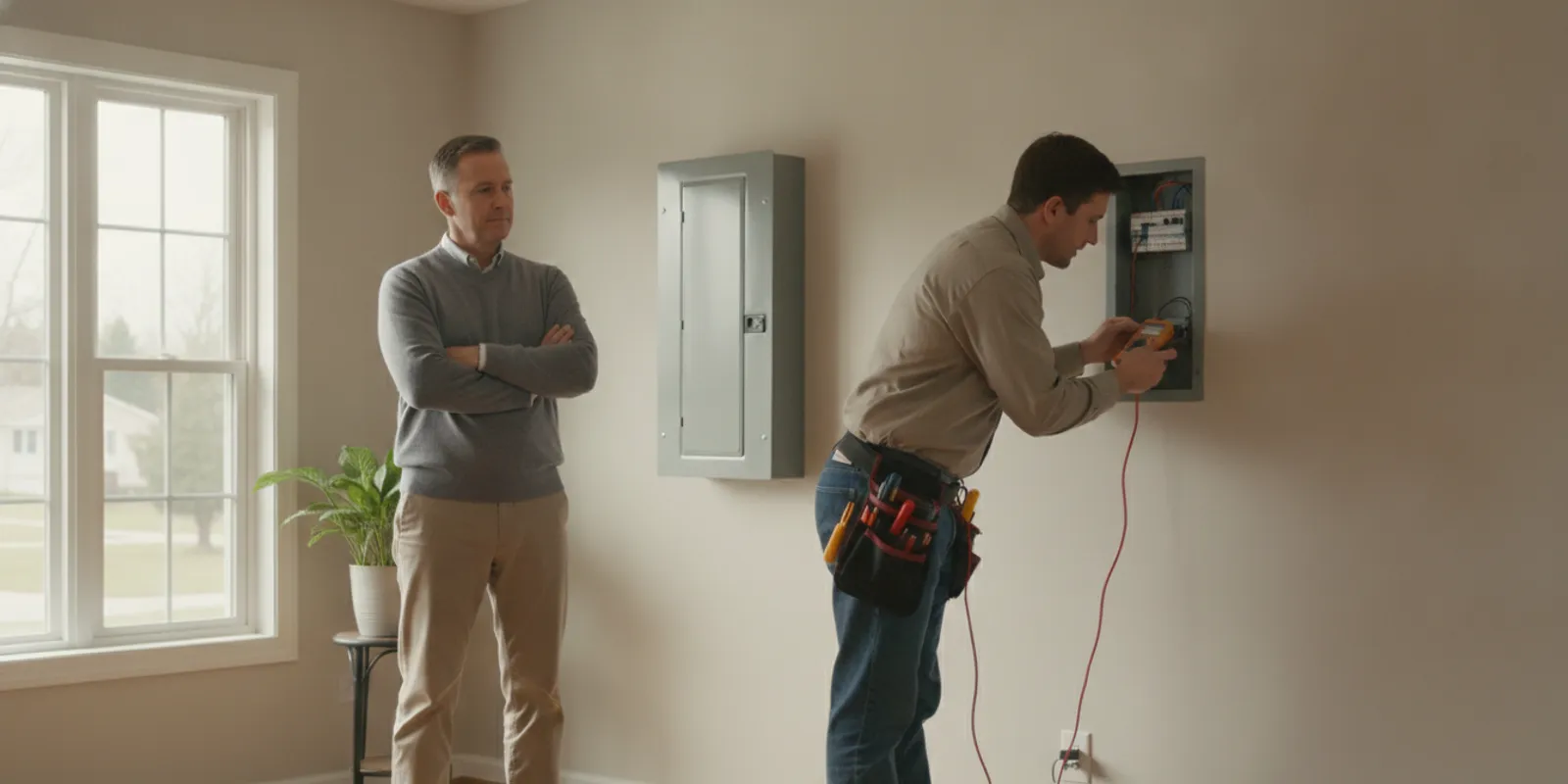
Knowing the electrical emergency signs Barrington IL homeowners should watch for can help you respond without taking unnecessary risks. Smoke, fire, a shock, or a strong burning odor deserves a different response from an isolated light that briefly flickers. Learn how to tell the difference, what to do first, and when to call an electrician.
When is an electrical problem an emergency?
An electrical problem is an immediate emergency when there is active fire, smoke, arcing, a person receiving a shock, or another condition that puts someone in immediate danger. Get everyone away from the hazard. If there is fire, smoke, or a suspected shock injury, move to a safe location and call 911.
Do not touch a person who may still be in contact with electricity. Do not approach a wet, smoking, or visibly damaged panel. Never use water on an electrical fire. The CDC's electrical hazard safety guidance advises protecting yourself from electrical hazards and calling emergency medical help after an electric shock.
There can also be a serious hazard without visible flames. A strong burning smell, hot outlet, melted faceplate, or repeated crackling may indicate equipment that should not be used or opened. Keep clear and seek prompt professional help. If you cannot tell whether an area is safe, do not investigate to find out.
Which electrical emergency signs should you never ignore?
Notice what you see, hear, smell, and feel, and whether the sign repeats. One brief symptom may be less urgent than a pattern, but these warning signs should never be dismissed:
- Smoke, flame, or sparking: Leave the area and call emergency services if there is active fire or immediate danger.
- Burning odor or hot equipment: A hot or scorched smell near an outlet, switch, cord, appliance, or panel calls for caution. Do not open the equipment.
- Shock or tingling: Stop using the affected appliance or fixture. If someone is injured or may still be exposed, call 911.
- Crackling, buzzing, or popping: A new sound from an outlet, switch, or panel deserves attention, particularly alongside heat, odor, or flickering.
- Repeated breaker trips: A breaker that keeps tripping may signal a fault. Do not keep resetting it or install a larger breaker.
- Scorch marks, melted plastic, or discoloration: Avoid using the outlet or switch and arrange an assessment.
- Water near electrical equipment: Keep away. Do not enter standing water or touch equipment that may have been exposed.
- Sudden partial power loss: If multiple rooms lose power or lights behave abnormally, do not handle exposed wiring or open equipment; note the symptoms and request guidance.
A single light flicker when a large appliance starts is not the same as repeated flickering across the home, a hot outlet, or a burning odor. Consider the full pattern and any accompanying signs. Do not repeatedly switch devices on and off to reproduce a symptom.
What should you do first if you notice a dangerous sign?
- Protect people first. Move everyone, including pets, away from the affected space. Do not touch damaged cords, outlets, panels, or a person who may still be in contact with electricity.
- Call emergency services when danger is active. For fire, smoke, an active electrical hazard, or possible serious injury, get to safety and call 911.
- Do not attempt a repair. Do not open a panel, remove an outlet cover, handle a sparking cord, or use water on an electrical fire.
- Shut off power only if it is clearly safe. Do not approach a hot, wet, damaged, or smoking panel. If the panel is accessible without approaching danger and you already know how to operate it safely, you may turn off the affected circuit or main breaker. Otherwise, leave this to responders or an electrician.
- Keep the area unused. Do not plug in another device to test the outlet. Keep other people away until it has been assessed.
- Contact an electrician after immediate danger is controlled. Describe the signs and say whether power was shut off. Learn about electrical service and repairs.
Do not assume a breaker reset resolved the cause. A breaker is a protective device; repeatedly resetting it can allow a continuing problem to persist. If it trips again, stop using the affected circuit and arrange an evaluation rather than trying another reset.
How urgent is the problem?
Use this comparison as a starting point, not a substitute for emergency judgment. If danger is active, prioritize safety and call 911. When in doubt, do not approach the equipment.
| What you notice | Safer next step | Urgency |
|---|---|---|
| Fire, smoke, active arcing, or suspected serious shock | Leave the area and call 911; do not approach equipment | Immediate emergency |
| Burning smell, warm outlet, scorch marks, or melted faceplate | Stop using the affected area; arrange prompt electrician assessment | Urgent |
| Breaker trips repeatedly or outlet makes a new crackling sound | Stop resetting or using the circuit; request professional evaluation | Prompt attention |
| One isolated fixture fails without heat, odor, noise, or visible damage | Note what happened and schedule service if it persists or recurs | Usually not an immediate emergency |
How should you respond to common warning signs?
What if an outlet or switch feels hot?
Stop using it and keep people away. Do not remove the cover or try a different plug. If there is smoke, flame, or a spreading burning smell, leave and call 911. If there is no active emergency, contact an electrician promptly and explain where the heat was noticed.
What if a breaker trips more than once?
Do not keep resetting it, and do not replace it with a breaker of a different rating. Stop using the affected circuit if you can identify it without approaching unsafe equipment. Tell the electrician what was operating when the trip happened and whether it has occurred before. Do not recreate the condition to gather more details.
What if lights flicker or dim?
Note whether one fixture or several rooms are affected, whether the change happens once or repeatedly, and whether other symptoms occur. A brief isolated flicker without heat, odor, noise, or damage may not call for emergency response. Widespread or recurring changes, especially with a hot outlet or tripping breaker, deserve prompt attention.
What if water reaches an outlet or panel?
Do not touch the water, the equipment, or a nearby switch to test it. Keep others out of the area. If anyone is in immediate danger or there is smoke or fire, get to safety and call 911. Tell the electrician what got wet and whether the area is still wet; do not approach the equipment to inspect it.
What if someone gets an electric shock?
Do not touch the person if they may still be in contact with the electrical source. Call 911 and follow the operator's instructions. Protect yourself and do not approach unsafe equipment. The CDC recommends emergency medical help for a suspected electric shock.
What details should you share with the electrician?
Once everyone is safe, a clear description helps the professional understand what happened. Note the room and device, when the problem began, whether it is ongoing or intermittent, and any odor, sound, heat, discoloration, or visible damage. Mention whether a breaker tripped, how often, and what was running at the time. Do not recreate the problem to gather more information.
If you can do so safely from a distance, a photo of a visible mark may help explain the issue. Do not remove covers, move damaged equipment, or enter a wet area for a picture. Tell the electrician if power is out in part or all of the building, and whether emergency responders have been called. If there are several symptoms, report them all, even if one seems unrelated.
When arranging a service conversation, you can use the contact page and give a concise description. State clearly whether there is active smoke, heat, or water, so the immediate safety situation is not lost among less urgent details.
How can homeowners reduce the chance of an electrical emergency?
Everyday habits can help prevent avoidable problems and make warning signs easier to notice. Replace damaged cords rather than patching them with tape. Keep cords away from heat and water, and avoid routes where they can be pinched by doors or walked on repeatedly. Use electrical equipment according to its instructions and avoid overloading outlets or extension cords.
Keep electrical devices dry. Do not use outlets or switches that are hot, loose, scorched, or visibly damaged. Do not cover cords under rugs where damage may be harder to notice. Keep combustible items away from heat-producing devices, and do not leave a concerning appliance plugged in merely to see if the symptom returns.
Pay attention to repeat patterns: a breaker that trips again, an outlet that feels warm, or an odor that returns when a device is switched on. Treat these as signals to stop using the affected item and get advice, not as routine inconveniences. For help with electrical work, see the company's Barrington electrical service information or its home service options.
How can you prepare for an electrical service visit?
Preparation should not involve opening equipment or testing a suspect circuit. Instead, write down what you noticed, where it happened, and when. Make a short list of appliances or lights that were being used, whether the symptom recurred, and whether a breaker tripped. If the home has lost power, identify which areas are affected only if you can do so safely without entering a hazardous space.
Keep children and pets away from the affected area. Make sure the electrician can reach the relevant room without anyone needing to step through standing water or move damaged materials. Do not clear debris or touch a scorched outlet yourself. If smoke or active fire appears while you wait, leave and call 911 rather than waiting for a service appointment.
For general electrical work, Brilliant Home Services provides information about electrical service calls. The right response depends on what is happening now: active danger calls for emergency services first; a contained but concerning warning sign calls for professional assessment.
What should you do while waiting for help?
Once you have called emergency responders or arranged an electrician, resist the urge to keep checking the suspected source. Repeatedly walking back into the affected room, touching an outlet to see whether it is still warm, or switching a device on to reproduce a sound can expose you to the same hazard again. Keep people and pets out of the space, and follow instructions from emergency dispatchers or the service professional.
If the issue is limited to one appliance and you can leave it alone without approaching damaged wiring or a hot surface, do so. Do not unplug a device if its plug, cord, or outlet appears damaged, hot, wet, or sparking. Do not move an appliance that may be in contact with water. A safe distance is more useful than gathering one more clue.
Think about access and communication instead. Keep your phone available. If you have left the home, tell responders or the electrician how to reach you and describe the hazard from a safe location. If neighbors or other occupants could enter the affected area, warn them to stay away. Do not block an exit or return to collect belongings if there is smoke, fire, or another immediate threat.
How do you distinguish an isolated fault from a broader concern?
Pattern and scope can help you describe an issue, but they do not make unsafe investigation appropriate. A single lamp that stops working, with no heat, odor, noise, or visible damage, is different from several rooms losing power at once. A one-time flicker during a heavy appliance start is also different from recurring dimming paired with a warm switch or repeated breaker trips.
Record what you already observed rather than running tests. Was the symptom limited to one outlet or present across rooms? Did lights change at the same time as an appliance started? Did the breaker trip once, or has it happened on separate occasions? Did the smell disappear when everyone left the area, or is it still present? If you do not know, say that; there is no need to return to check.
A broader pattern may call for quicker professional guidance, especially if multiple areas are affected or the problem returns. It still does not tell a homeowner which wire, connection, or device is at fault. Avoid diagnosing from a symptom alone. Share the scope and timeline with an electrician, and leave inspection and testing to someone equipped to assess it safely.
What information is useful without putting yourself at risk?
Good notes can be brief. Use a simple sequence: what happened first, what changed next, and what you did to protect people. For example: “The kitchen light flickered twice while the microwave was running; then the breaker tripped. No one smelled smoke, and we stopped using that circuit.” This type of account is more useful than a guess about the cause because it separates observation from interpretation.
Include the time and location, the equipment involved, whether anyone experienced a shock, whether there was water nearby, and whether the problem is still happening. If you noticed a sound, describe it in ordinary language—buzzing, clicking, popping, or crackling—and say where it seemed to come from without approaching it to confirm. Mention any visible discoloration only if you saw it from a safe position.
Keep a record of what you have already tried, including whether a breaker tripped or power was turned off by a qualified responder. Do not omit an action because you worry it was incorrect; accurate history helps the professional understand the sequence. Do not attempt further resets, remove covers, or use a multimeter or other tool on equipment you suspect is unsafe.
What changes in a business or shared building?
The same basic priorities apply in a small business, rental property, or shared building: protect people, keep clear of suspected hazards, and call emergency services for active danger. The practical difference is that more people may need to be informed quickly. Tell staff, occupants, or a building contact to avoid the affected room or device, and use a safe route to move people away.
Do not ask an employee or tenant to investigate a hot outlet, open a panel, or reset a breaker to restore business. If a work area, exit route, or essential equipment is affected, explain that to emergency responders or the electrician. Follow building procedures if they are available, but do not let routine reporting delay evacuation when there is smoke, fire, or a suspected shock injury.
Keep the account factual: identify the location, the equipment involved, who noticed the issue, and whether the hazard is active. Avoid assigning blame or telling someone to keep using a circuit because operations are busy. A temporary disruption is preferable to exposing someone to a suspected electrical danger. For business electrical needs, review electrical service information and explain the type of property when contacting the company.
How can you make a household plan before a problem happens?
A short plan can reduce confusion if a warning sign appears at an inconvenient time. Make sure household members know how to leave the building and where to meet outside. Keep emergency numbers accessible, and make clear that no one should touch a person who may still be in contact with electricity or approach a wet or smoking panel. Children should know to get an adult and move away rather than trying to solve the problem.
If you choose to familiarize yourself with the electrical panel, do so on an ordinary day and only from a safe, dry location. Know where it is and keep the route clear, but do not remove the cover or handle internal components. No one needs to operate a breaker during an active hazard; calling emergency services and leaving may be the safer choice. If household members are unsure how to use the panel, do not make them responsible for shutting off power.
Consider how someone with limited mobility, a hearing impairment, or a need for assistance would be alerted and guided out. Keep a flashlight where it can be reached without entering the affected area, and plan for pets without delaying evacuation. A plan should emphasize leaving and getting help, not troubleshooting or trying to preserve appliances.
When should you contact an electrician rather than wait?
Call emergency services first when there is fire, smoke, a person injured by electricity, active arcing, or another immediate threat. For a contained warning sign—such as a recurring breaker trip, a hot or discolored outlet, a persistent burning odor, or new crackling—stop using the affected area and seek professional advice promptly. Do not treat the absence of flames as proof that equipment is safe.
A minor symptom that happens once and has no accompanying warning sign may not require the same response. Still, if it recurs, spreads to other areas, or leaves you uncertain about safe use, describe it to an electrician instead of repeatedly testing it. Tell the service contact what is happening now, not only what happened initially, and be direct if the situation has worsened.
Brilliant Home Services lists electrical service information for homeowners and business owners. To arrange a conversation, use the contact page and give a concise description of the symptoms and location.
Frequently Asked Questions
Should I reset a breaker that keeps tripping?
Do not repeatedly reset it. If it trips again, stop using the affected circuit and arrange an electrician's assessment. If there is smoke, burning odor, heat, or visible damage, keep clear and treat the situation as urgent.
Can I use an outlet that has a burning smell?
No. Stop using it and keep people away. Do not plug in another device to test it. If there is smoke or fire, leave and call 911; otherwise contact an electrician promptly.
What if someone gets an electric shock?
Do not touch someone who may still be in contact with electricity. Call 911 and follow the emergency operator's instructions. Protect yourself from the electrical source and do not approach unsafe equipment.
Is a brief light flicker always an emergency?
Not necessarily. A brief, isolated flicker without other warning signs may not be an immediate emergency, but repeated or widespread flickering deserves attention. If it comes with heat, odor, buzzing, or a tripping breaker, keep away from affected equipment and seek prompt help.
When should you schedule electrical service?
Choose immediate emergency help for active danger, and contact an electrician promptly for recurring trips, unusual heat, burning odors, damaged outlets, or unexplained electrical sounds. If you are unsure what is safe, do not investigate yourself. Keep clear, explain what you noticed, and arrange professional guidance.
Ready to Get Started?
Contact Brilliant Home Services for professional, reliable service in Chicagoland. We are available 24/7 for emergencies.