Guide to electrical code violations Barrington IL
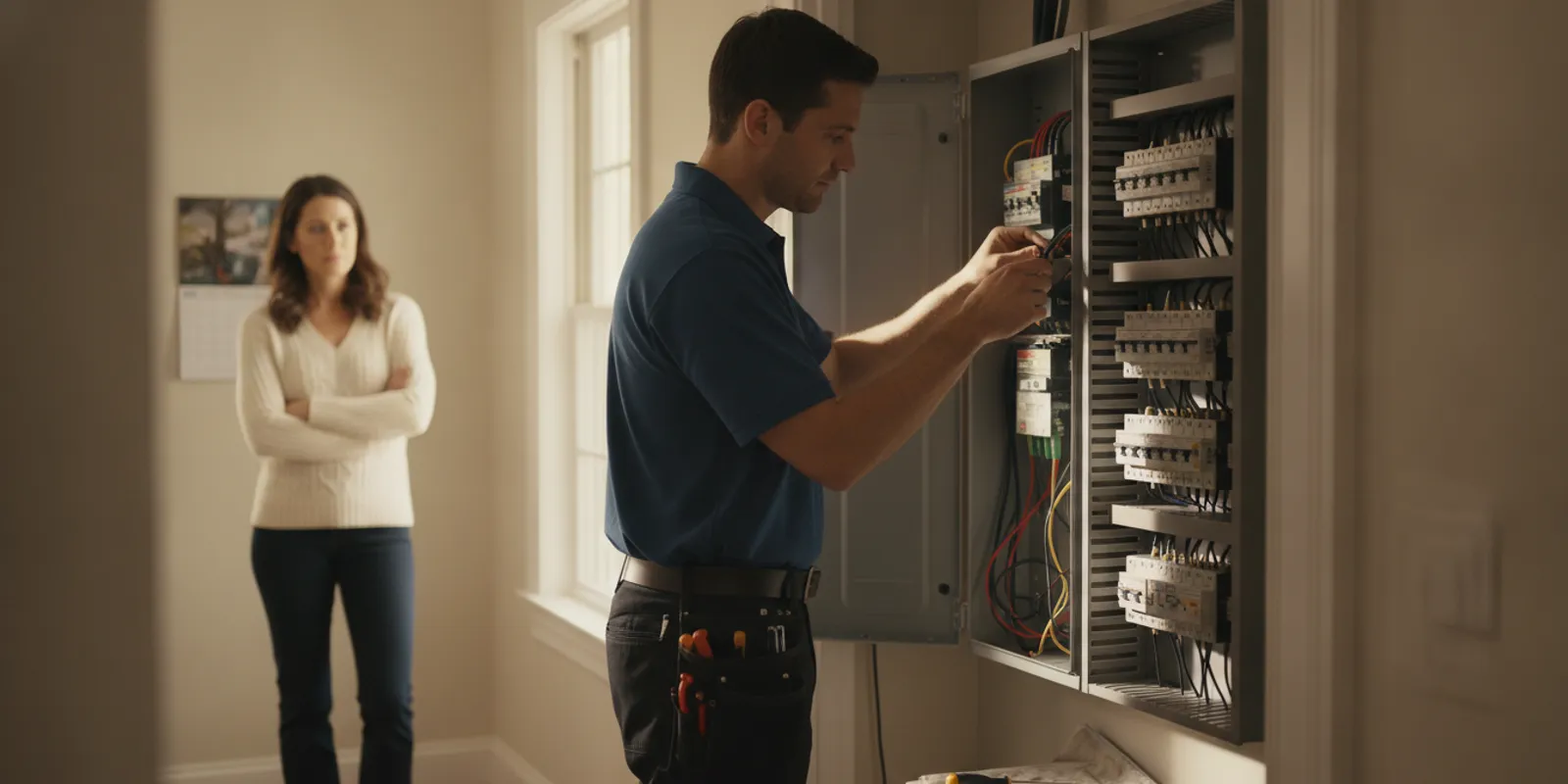
Electrical code violations in Barrington, IL are not always obvious. Some concerns show up as visible damage, while others require a qualified electrician or local authority to assess wiring and equipment in context. If you have noticed a recurring breaker trip, a damaged outlet, exposed wiring, or concerns after a renovation, this guide explains what to observe, what to avoid, and how to plan a sensible next step.
What does an electrical code violation mean?
Electrical codes set requirements for how electrical systems are installed and maintained. They are intended to reduce hazards such as shock, overheating, and fire. Which requirements apply can depend on the work, the building, and the jurisdiction. A homeowner’s observation alone cannot establish that a condition violates code. An electrician or the appropriate local authority can evaluate the installation in context.
It helps to separate three ideas:
- A visible warning sign: Something observable, such as a cracked receptacle, a repeatedly tripping breaker, or a missing cover plate.
- A possible hazard: A condition that may need prompt attention even before anyone determines whether it violates a particular requirement.
- A confirmed code issue: A finding made after an appropriate inspection, with the applicable local requirements considered.
Do not rely on an online checklist or photograph to declare a system compliant or noncompliant. Electrical installations vary, and a change that looks simple may affect other equipment or circuits. The useful homeowner role is to notice patterns, keep people away from unsafe conditions, and give a professional a clear account.
How can you spot possible electrical code violations in Barrington IL?
Start by noticing patterns and visible conditions, not by opening equipment or testing wiring. These observations do not prove a code violation, but they can help you explain why you are seeking an evaluation.
Look for damage, heat, or unusual odors
Pay attention to outlets, switches, cords, and electrical equipment that appear cracked, loose, scorched, or melted. A warm cover plate, burning smell, buzzing, or crackling can signal a problem that should not be ignored. Do not touch a hot or damaged device to investigate it. If there is smoke, active sparking, or fire, move away and call emergency services.
Notice repeated breaker trips
A breaker that trips repeatedly may be responding to overload, a fault, or another issue. Repeatedly resetting it without finding the cause is not a repair. Note which breaker trips, what was operating at the time, and whether the trip recurs. Never force a breaker to remain on or replace it with a different size to stop trips. A breaker’s role is protective; bypassing its response can create a more serious danger.
Check for missing or damaged covers from a distance
Missing switch plates, broken receptacle covers, exposed conductors, and open electrical boxes merit professional attention. Keep children and pets away. Do not insert anything into an opening, remove a cover, or attempt to cover exposed conductors yourself. If a condition is in a shared area or workplace, keep others clear and notify the person responsible for the property.
Pay attention to extension-cord dependence
Frequent use of extension cords may indicate that the existing outlet layout does not suit the room’s needs. Cords are generally not a substitute for properly located, installed outlets, especially when damaged, pinched, run under rugs, or used as permanent wiring. Ask an electrician whether adding or relocating outlets is appropriate for the space. Explain what equipment needs power and how the room is used; that context can help identify a practical layout rather than simply adding a receptacle in the nearest open spot.
Notice flickering or changes in operation
Lights that flicker when an appliance starts, switches that feel loose, or outlets that stop working can have several causes. A single observation does not identify the cause. Record when it happens and which rooms or devices are affected, then share those details with a professional. If flickering occurs with heat, odor, or unusual sound, treat it more seriously and stop using the affected device if safe to do so.
What should you do if you suspect electrical code violations in Barrington IL?
Use a cautious, orderly approach. Your goal is to keep people safe and give the electrician useful information, not to diagnose wiring yourself.
- Address immediate danger first. If you see smoke or fire, hear active arcing, or believe someone is at immediate risk, get everyone away and contact emergency services. Do not approach or touch electrical equipment in a hazardous area.
- Stop using the affected device when safe. If an appliance, outlet, or switch appears damaged or overheated, do not continue using it. Do not unplug equipment if doing so would bring you near a hot, wet, sparking, or damaged area.
- Record what you observed. Write down the location, date, symptoms, and what was operating. A photo taken from a safe distance can help show visible conditions, but do not remove covers or approach exposed parts to get a better view.
- Arrange a professional evaluation. Explain the symptoms and ask what the visit can assess. A licensed electrical professional can inspect the relevant equipment and discuss possible corrective work.
- Ask about permits or local review where applicable. Requirements can depend on the scope of work and local rules. Confirm the process with the contractor or relevant local authority rather than assuming every repair has identical requirements.
For electrical service information, see Brilliant Home Services’ electrical services. You can also review its Barrington electrical service information and service areas. For a scheduling question, use the contact page.
Which observations deserve urgent attention?
Not every electrical issue is an emergency, but some conditions call for quick action. Use this table as a triage aid, not a code determination or substitute for professional advice.
| Observation | Practical response | What to tell the electrician |
|---|---|---|
| Smoke, fire, active sparking, or a burning odor | Move away; contact emergency services if there is immediate danger. Do not touch the equipment. | Where it occurred and whether anyone is in danger |
| Hot, melted, or visibly scorched outlet or switch | Stop using it; keep people away and arrange prompt professional assessment. | Whether heat, discoloration, odor, or sound was noticed |
| Breaker trips again after reset | Do not keep resetting it or defeat its protective function; request an evaluation. | Which breaker, how often, and what was running |
| Cracked cover, loose device, or visible opening | Keep hands and objects away; request repair or inspection. | Exact location and whether the condition is worsening |
| Intermittent flicker or an outlet that stopped working | Note the pattern and seek professional guidance, especially if it repeats or comes with heat or odor. | Rooms, devices, timing, and any recent changes |
How can you tell a local code question from a general safety concern?
People often use “code violation” to describe any electrical condition that seems wrong. In practice, a safety concern and a code determination are related but not interchangeable. A damaged cord can be a reason to stop using it even if the immediate question is not about a building-code provision. Likewise, an installation may require review even when nothing looks visibly damaged. The absence of a warning sign does not prove that hidden wiring or previous work meets applicable requirements.
For that reason, describe what you see rather than assigning a label. “The outlet cover is cracked and the plug feels loose” is more useful than “this outlet is illegal.” “The breaker trips when the shop vacuum and heater are running together” gives a professional a concrete starting point. The electrician can determine which tests or inspection steps are appropriate and explain whether a concern relates to safety, the installation, maintenance, or local approval.
When a project involves a permit, inspection, sale, rental, insurance question, or renovation sign-off, clarify who has authority to make the determination. A contractor can explain findings and the work proposed, while the relevant local building department may answer jurisdictional questions. Avoid relying on informal advice from a neighbor or a generic checklist for a property-specific decision.
What can an electrician check during an evaluation?
The scope depends on what you report and what the professional finds. An evaluation may focus on one outlet, a group of affected circuits, a panel, or a broader portion of the electrical system. Before work begins, explain the symptoms and ask what areas will be assessed.
Useful questions include:
- What conditions did you observe, and what evidence supports the recommended repair?
- Is the concern an immediate safety issue, a maintenance issue, or an improvement recommendation?
- What work is included in the proposed scope, and what is not included?
- Will the work require a permit or inspection under the rules that apply to this property?
- Will power need to be turned off, and which areas or equipment will be affected?
- How will the work be checked when it is complete?
- Are there related conditions that should be evaluated before the area is closed up or put back into service?
Ask for an explanation in plain language. A clear assessment should distinguish observed facts from recommendations and explain why a repair is proposed. If the recommendation is broader than the symptom you reported, ask what additional evidence led to that scope. Keep any written scope, permit information, and inspection records with your home documents.
A visit also gives you a chance to share constraints that affect the plan. For example, tell the electrician if the affected room is used for remote work, if a medical device depends on power, or if a renovation schedule is approaching. Do not use that information to pressure someone into skipping a safety step; it helps the professional discuss sequencing and access.
How do older homes and recent renovations affect the assessment?
Age alone does not establish that a home is unsafe or out of compliance. A well-maintained older home may function reliably, while a newer installation can still have damage or a problem that needs correction. What matters is the condition of the system, the work performed, and the requirements applicable to that work and location.
Renovations can change electrical needs. A remodeled kitchen, finished basement, added room, or new equipment may introduce loads or new wiring. If a concern appeared after construction, note what changed and when. If you are planning improvements, discuss electrical needs before walls are closed or finishes are installed. Brilliant’s construction and renovation information may be useful when electrical work is part of a broader home project.
Property owners should distinguish a home inspection from a detailed electrical evaluation. A general inspection can flag visible concerns, but it may not include opening electrical equipment or testing every circuit. Ask what the inspection covered and arrange qualified follow-up when a concern remains. If you recently purchased the property, share any inspection notes and seller repair records you have, but do not assume a prior inspection guarantees that no issue exists today.
How can you prepare for an electrical service visit?
A few details make a service visit more efficient and help keep the conversation focused. You do not need to conduct tests; a concise, accurate history is enough.
- Make a short symptom list. Include the location, what happens, frequency, and relevant timing. “The dining-room lights flicker for a few seconds when the microwave starts” is more useful than “the wiring is bad.”
- Identify recent changes. Mention new appliances, renovations, storm events, or work that occurred before symptoms began. If you know the date or contractor, share it without guessing about the cause.
- Keep access clear. If safe, clear belongings from the area around the panel or affected device. Do not open equipment or move anything that could put you at risk.
- Gather available records. Prior repair notes, permits, or inspection reports can help establish history. Do not delay urgent help while searching for paperwork.
- List your questions. Ask about findings, priority, proposed work, applicable permit steps, and how completion will be verified.
- Plan for household access. Let the household know which rooms may need access, secure pets, and make sure an adult can explain the reported symptoms.
For example, a homeowner who notices a breaker trip twice while using a portable heater can note the room, breaker label, other devices running, and whether the breaker tripped immediately or after some time. That record is useful without requiring the homeowner to remove a panel cover or repeat the situation deliberately. If the problem is an occasional flicker, a simple log of time, room, and appliances in use may reveal a pattern.
There is no need to guess at the right repair before the evaluation. Describe what you noticed and let a qualified professional assess the cause. If you want to arrange an electrical visit, contact Brilliant Home Services. Its about page provides additional background.
How should you prioritize repairs?
Prioritize immediate hazards first, then address conditions that are recurring, worsening, or interfering with normal use. A qualified electrician can help clarify which items need prompt correction and which can be planned. If multiple items are found, ask for the risks and reasoning behind the order rather than assuming every recommendation has the same urgency.
When comparing proposed work, compare scope rather than just a bottom-line figure. Confirm what devices or circuits are included, what materials or finish work are covered, whether permits or inspections are part of the plan, and what follow-up is expected. The customer’s service pages provide general information, but the appropriate scope depends on the actual property and findings.
Consider a hypothetical example: a homeowner reports one dead outlet, a breaker that trips repeatedly, and a missing cover in a seldom-used basement room. These are three different observations, not an automatic three-item repair list. The professional may identify a common cause or unrelated conditions, then explain urgency and the work needed. Ask which issue should be addressed first, whether any area should remain unused, and what can safely wait for a planned visit.
For a second example, suppose several lights flicker only when a large appliance runs. Document the rooms involved and the timing. Avoid buying a replacement switch or breaker based only on that symptom. The right next step depends on inspection and diagnosis, not on a one-size-fits-all parts list.
How can you compare an electrician’s proposed scope?
Comparing proposals is easier when each one describes the same problem and boundaries. Give each professional the same symptom history and ask them to identify the area assessed, the condition found, and the proposed correction. One proposal may address only a device; another may include diagnosis of the circuit. Those scopes are not directly comparable until you know what each includes.
- Confirm the location. Does the scope identify the room, panel, circuit, or equipment involved?
- Separate diagnosis from repair. Does the proposal state what has been verified and what remains uncertain?
- Ask about related work. If a repair affects finishes, access, or connected equipment, clarify what the electrician will handle and what may require another trade.
- Clarify approvals. Ask who will confirm permit or inspection requirements and whether those steps are included in the plan.
- Agree on completion checks. Ask what will be tested or documented after the work, and what signs should prompt a follow-up.
A written scope is especially helpful when a concern is found during a larger remodel. It gives the owner, electrician, and other contractors a shared understanding of what must happen before walls or ceilings are closed. Keep questions neutral and specific: “Does this include the two outlets on the north wall?” is clearer than “Will you fix everything?”
Brilliant Home Services provides electrical service information and a Barrington service page for readers who want to review local options. Confirm the particular task and service area when arranging service; a general webpage cannot determine what your property needs.
Frequently Asked Questions
Can I tell from a photograph whether something violates electrical code?
No. A photograph may document a visible condition, but it usually cannot show the full installation, hidden wiring, or local requirements. Treat an image as supporting information for a professional, not as a compliance finding.
Should I reset a breaker that keeps tripping?
Repeatedly resetting a breaker without addressing why it trips is not a solution. Do not force it on or bypass it. Note what was operating and arrange an evaluation. If you observe smoke, heat, sparking, or a burning odor, keep away and seek urgent help.
Does an older house automatically have code violations?
No. Age alone does not determine the condition or compliance of a home’s electrical system. The relevant requirements and the circumstances of installation or later work must be considered by a qualified professional or authority.
Do all electrical repairs require a permit?
Permit and inspection requirements depend on the work and applicable local rules. Ask the contractor or relevant local building authority what applies to the specific project; do not assume the same rule covers every repair or installation.
Where can I get general electrical safety information?
The U.S. Consumer Product Safety Commission provides consumer safety information at CPSC.gov. General guidance does not replace a site-specific evaluation by a qualified electrical professional.
When you notice a possible electrical concern, keep clear of unsafe equipment, record the symptoms, and arrange a professional assessment rather than attempting work beyond your training.
Ready to Get Started?
Contact Brilliant Home Services for professional, reliable service in Chicagoland. We are available 24/7 for emergencies.