How to Find the Best Home EV Charger Installer
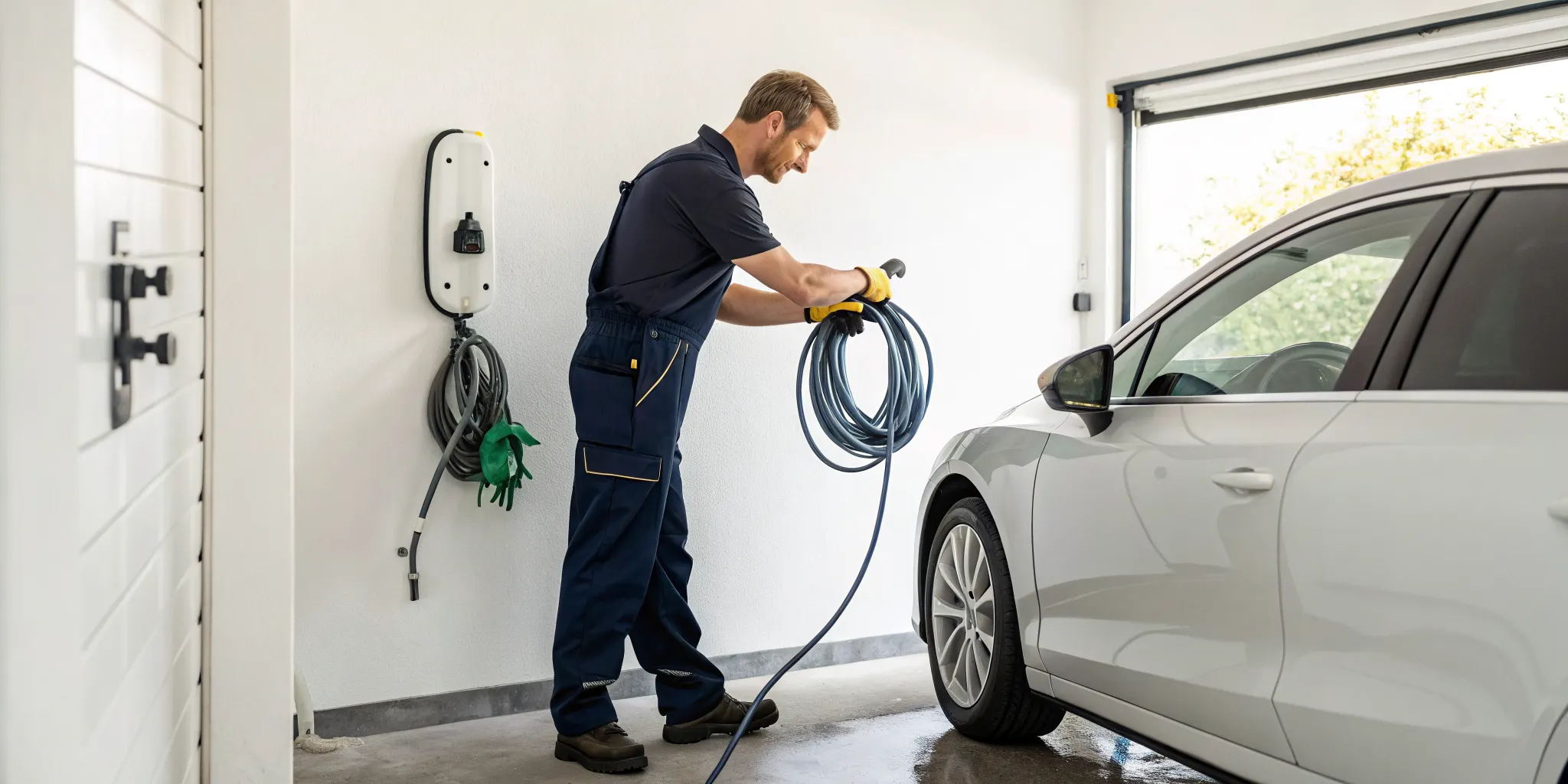
The real magic of owning an electric vehicle isn’t just skipping the gas station; it’s the convenience of starting every day with a full charge. A home charging station transforms your garage into your personal fueling hub, making range anxiety a thing of the past. But getting from the dealership to a fully installed home charger can feel like a big project. You have to choose the right equipment, understand your home’s electrical capacity, and find a qualified professional. This article breaks it all down into simple, actionable steps. We’ll help you make sense of your options so you can find the best home EV charger installer and create a setup that fits seamlessly into your life.
Key Takeaways
- Choose a Level 2 Charger for Daily Driving: While a Level 1 charger is fine for occasional use, a Level 2 unit is the practical standard for most EV owners, providing a full charge overnight so your car is always ready.
- Prepare for a Professional Installation Process: Installing an EV charger is a significant electrical job, so expect a process that includes a home assessment, permit management, and potentially an electrical panel upgrade to safely handle the power requirements.
- Vet Your Installer Carefully: The most critical decision is choosing your electrician, so be sure to confirm they are licensed, insured, and have proven experience with EV chargers and local codes to guarantee a safe and reliable installation.
Level 1 vs. Level 2: Which EV Charger Is Right for You?
When you bring home your new electric vehicle, one of the first questions you’ll face is how to charge it. Home charging is split into two main categories: Level 1 and Level 2. Think of it as a choice between plug-and-play simplicity and high-speed convenience. While both get the job done, they fit very different lifestyles and driving needs. Understanding the difference is the first step in creating a home charging setup that works seamlessly with your daily routine. The right charger makes owning an EV effortless, while the wrong one can lead to a bit of frustration.
Choosing between them isn’t just about technology; it’s about matching the equipment to your life. Do you have a long commute? Do you need your car ready for unexpected trips at a moment’s notice? Or is your driving more predictable and limited to short distances? Answering these questions will point you toward the right solution. A Level 1 charger might be enough for some, but many drivers find the upgrade to Level 2 is what truly makes EV ownership practical and stress-free. Let’s break down what each level offers so you can make a confident choice for your home and your car.
Level 1 Chargers: The Slow and Steady Option
A Level 1 charger is the most basic option available. In fact, one likely came included with your electric vehicle. These chargers are incredibly simple because they plug directly into a standard 120-volt household outlet, the same kind you use for your phone or a lamp. There’s no special installation required, which is a definite perk. The major trade-off, however, is speed. A Level 1 charger is very slow, adding only about 3 to 5 miles of range per hour. This means a full charge can take 20 hours or even longer, depending on your car’s battery size. It’s a workable solution if you have a short commute or drive infrequently, but most daily drivers find it can’t keep up.
Level 2 Chargers: The Go-To for Most Drivers
For the vast majority of EV owners, a Level 2 charger is the sweet spot. These units are significantly more powerful, delivering a full charge in just a few hours instead of a full day. A Level 2 charger can add up to 60 miles of range per hour, ensuring your car is ready to go every morning, even if you came home with a nearly empty battery. This speed requires more power, so a Level 2 charger needs a dedicated 240-volt circuit, similar to an electric stove or dryer. This means you’ll need a licensed electrician to handle the installation, but the convenience is well worth it for most drivers.
Match Your Charger to Your Driving Habits
Ultimately, the best charger for you depends entirely on your lifestyle. If you have a long daily commute or want the flexibility for spontaneous trips, a Level 2 charger is practically a necessity. It removes any range anxiety and makes your EV as convenient as a gas-powered car. Many modern Level 2 chargers also come with smart features, like Wi-Fi connectivity and mobile apps. These tools let you schedule charging for off-peak hours to save on electricity costs and track your usage over time. A proper home EV charger installation ensures your vehicle charges efficiently while keeping your home’s electrical system safe and reliable.
How to Find a Great EV Charger Installer
Once you’ve picked out your charger, the next big step is finding someone qualified to install it. This decision is just as important as choosing the charger itself, since a poor installation can lead to safety hazards, reduced efficiency, and even damage to your vehicle or home. With the growing popularity of EVs, more electricians are offering charger installation, but not all of them have the specific training to do it correctly. Here’s what to look for when vetting a potential installer.
Confirm Licensing and Insurance
This is the most critical step. Every installer you consider should be properly licensed to perform electrical work in your state and municipality. A valid license ensures they have passed the required exams and stay up to date with local codes. Don’t stop there — also ask for proof of insurance, including both general liability and worker’s compensation. This protects you if something goes wrong on the job. A reputable company will be happy to provide these credentials without hesitation.
Look for Specific EV Charger Installation Experience
While any licensed electrician can run wiring, EV charger installation has its own set of best practices. Look for an installer who has completed multiple EV charger installations and can speak knowledgeably about different charger brands, amperage requirements, and the National Electrical Code (NEC) Article 625, which covers EV charging systems. Ask how many installations they’ve done and whether they’re familiar with your specific charger model. An experienced installer will save you time and avoid costly mistakes.
Ask About Permits and Inspections
A qualified installer will always pull the necessary permits before starting work. This isn’t just bureaucracy — permits ensure that the installation is inspected and meets all safety codes. If an installer suggests skipping this step to save money, consider it a red flag and move on to someone else. A proper permit provides documentation that your installation was done correctly, which is important for insurance purposes and peace of mind.
Get a Detailed Written Estimate
A trustworthy installer will provide a clear, itemized estimate before any work begins. This should include the cost of the charger (if they are supplying it), labor, materials, permit fees, and any potential upgrades like a new electrical panel. Be wary of contractors who give vague estimates over the phone without seeing your home’s setup. A thorough quote requires a site visit to assess your electrical panel’s capacity and the distance from the panel to the charger location.
The EV Charger Installation Process: What to Expect
Understanding what goes into a professional installation can help you prepare your home and budget. The process typically involves several steps, starting with an initial assessment and ending with a fully operational charging station.
Step 1: Electrical Panel Assessment
The first thing a qualified installer will do is evaluate your home’s electrical panel. They need to determine if your panel has enough capacity to handle the additional load of a 240-volt circuit for your Level 2 charger. This involves a load calculation that accounts for your existing appliances and electrical usage.
Step 2: Panel Upgrades (If Needed)
If your panel doesn’t have sufficient capacity, you may need an upgrade. This could be as simple as freeing up space by rearranging breakers or as involved as installing a new sub-panel or upgrading your main panel to a higher amperage. This is often the biggest variable in the total cost of installation.
Step 3: Running the Wiring
Once the panel is ready, the installer will run the appropriate gauge of wiring from the panel to the location where you want your charger. This involves fishing wires through walls, attics, or basements, and installing conduit where required. The length and complexity of this run affects the labor cost.
Step 4: Charger Mounting and Connection
With the wiring in place, the installer will mount the charger on the wall or pedestal, connect the wiring, and configure the unit. This includes setting the correct amperage for your specific circuit breaker and charger model.
Step 5: Testing and Inspection
After installation, the electrician will test the system to ensure everything is working safely and correctly. They’ll verify the voltage, check that the GFCI protection is functioning, and confirm that the charger communicates with your vehicle. The final step is scheduling the required inspection with your local building department to sign off on the work.
What Affects EV Charger Installation Cost?
The total cost of installing a home EV charger varies based on several factors. While prices can vary, understanding the components of the cost helps you budget and compare quotes effectively.
| Cost Factor | Typical Range | Notes |
|---|---|---|
| Charger Unit | $400 - $1,200 | Varies by brand, amperage, and smart features |
| Basic Installation | $300 - $800 | Simple install with panel near the charger location |
| Complex Installation | $800 - $2,500 | Long wire runs through multiple floors or finished walls |
| Panel Upgrade | $1,000 - $3,000 | Required if existing panel lacks capacity or space |
| Permit Fees | $50 - $200 | Varies by municipality |
Can I Install an EV Charger Myself?
While it’s technically possible for a skilled DIYer to install a hardwired EV charger, it’s almost always better to hire a professional. Here’s why:
- Safety: Working with high-voltage electricity is dangerous. A mistake can cause electrical shock, fire, or damage to your home.
- Code Compliance: Residential EV charger installations must comply with local and national electrical codes. A professional knows these requirements inside and out.
- Warranty: Most charger manufacturers require professional installation to honor the warranty.
- Insurance: If a DIY installation causes damage, your homeowner’s insurance may not cover it.
- Inspection: Most municipalities require an inspection, which is easier to pass when the work is done by a licensed electrician.
For most homeowners, the peace of mind that comes with a professional installation is well worth the investment.
Why Hire Brilliant Home Services for Your EV Charger Installation?
If you’re in the Chicagoland area, Brilliant Home Services is the clear choice for your EV charger installation. With over 70 years of experience as a family-owned and operated business, we’ve been serving Barrington, South Barrington, Lake Zurich, Palatine, Schaumburg, Inverness, and surrounding communities since 1956.
- Licensed and Insured: We’re fully licensed and insured, so you can trust that your installation is in safe hands.
- Certified Technicians: Our electricians are trained and experienced in EV charger installations across all major brands and models.
- Upfront Pricing: We provide clear, transparent estimates before any work begins — no surprises, no hidden fees.
- 24/7 Emergency Service: Need help fast? We offer around-the-clock emergency electrical services.
- Local Expertise: We know Chicagoland codes and permit requirements inside and out, ensuring a smooth installation process.
Frequently Asked Questions
Do I really need a Level 2 charger, or can I get by with the one that came with my car?
You can definitely get by with a Level 1 charger if you have a very short commute or don’t drive your car every day. It’s a slow but steady option. However, most drivers find that a Level 2 charger is what makes owning an EV truly convenient. It ensures your car is fully charged and ready to go every morning, removing any stress about range, especially if you have a long commute or need the flexibility for unplanned trips.
How do I know if my home’s electrical panel needs to be upgraded?
The only way to know for sure is to have a licensed electrician perform a home assessment. They will conduct a load calculation to see if your current panel has enough capacity for the new 240-volt circuit your charger requires. Some clues that you might need an upgrade include having an older home, a panel that is already full of circuit breakers, or if you already have several large electric appliances like a hot tub or an electric stove.
Can I save money by installing the EV charger myself?
While it might seem like a good way to cut costs, installing an EV charger is not a DIY project. This is a high-voltage installation that needs to be done correctly to meet strict safety codes and prevent fire hazards. Attempting it yourself can void your charger’s warranty, create problems with your homeowner’s insurance, and lead to a failed electrical inspection. It’s a job best left to a licensed and insured professional.
What are the main factors that will determine my final installation cost?
The final price tag is influenced by a few key things. First is the cost of the charger unit itself. Second is the labor, which depends on the complexity of the job, specifically the distance from your electrical panel to the charger’s location. A longer run of wiring will cost more. The biggest variable is whether you need an electrical panel upgrade, which is a separate and more significant expense. Finally, permit fees from your local town will also be a small part of the total cost.
How do I find out which rebates or tax credits I can actually get?
A great starting point is your local utility company’s website; for example, ComEd often has specific rebates for home charger installations. Next, search for your state’s environmental or energy agency website to see if any statewide programs are active. For federal incentives, the IRS website has the most current information on the Alternative Fuel Vehicle Refueling Property Credit, but it’s always wise to consult with a tax professional to confirm your eligibility.
How long does it typically take to install a home EV charger?
A straightforward installation typically takes between 2 and 4 hours. However, if your project requires an electrical panel upgrade or complex wiring through finished walls, it could take a full day or longer. Your installer should give you a clear timeline after the initial site assessment.
Will my EV charger work with any electric car?
Most Level 2 chargers in the United States use the standard J1772 connector, which works with every major EV model except Tesla. Tesla vehicles come with an adapter that allows them to use J1772 chargers, or you can opt for a Tesla-branded charger. Many newer Level 2 chargers are also compatible with both standards, so it’s worth asking your installer about your specific needs.
What maintenance does an EV charger require?
Home EV chargers are designed to require very little maintenance. Periodically check the charging cable for any signs of wear or damage, and keep the connector clean and free of debris. Some smart chargers will alert you to any issues through their companion app. Most quality chargers come with robust warranties of 3 to 5 years, providing added peace of mind.
Ready to Get Started?
Contact Brilliant Home Services for professional, reliable service in Chicagoland. We are available 24/7 for emergencies.